

Opinion|Videos|June 30, 2026
Biomarker Testing, the Test-Know-Treat Framework, and Treatment Adherence in Late-Stage Metastatic EGFR-Positive NSCLC
Elizabeth Dennis describes the testing process following a new lung cancer diagnosis. Initial tissue biopsy is sent for next-generation sequencing (NGS), although repeat tissue sampling or liquid biopsy from blood may be needed if the initial biopsy is insufficient for molecular profiling.
Advertisement
Episodes in this series
Elizabeth Dennis describes the testing process following a new lung cancer diagnosis. Initial tissue biopsy is sent for next-generation sequencing (NGS), although repeat tissue sampling or liquid biopsy from blood may be needed if the initial biopsy is insufficient for molecular profiling. The waiting period for NGS results is a significant source of anxiety for patients, and education is the primary tool for managing this.
The test-know-treat framework provides a practical structure for explaining this wait to patients: test the tumor to understand its unique genetic makeup, know the results before initiating therapy, and then treat based on those specific findings to ensure the most appropriate and effective treatment is selected. This explanation helps patients understand that the delay is purposeful and directly serves their outcome.
Lynn Abbott-McCloud confirms that anxiety begins from the moment a cancer diagnosis is mentioned and intensifies through biomarker testing. LiveLung emphasizes mental health resources and the services available within cancer centers throughout this period. Dr. Konduri adds that while waiting for NGS results is the norm, rare circumstances, such as patients in significant physical distress from tumor burden, may require initiation of systemic therapy such as chemotherapy before molecular results are available.
On the importance of staying on treatment, Elizabeth Dennis notes that side effects during therapy do not indicate treatment failure. Managing side effects is a shared responsibility between the patient and the care team, with the goal of maintaining the therapeutic benefit of treatment for as long as possible.
Advertisement
Related to this article

Debbie Legault, whose daughter was diagnosed with breast cancer at 27, urges shoppers to skip pink ribbon products and donate directly to support organizations.

A study of 52,236 patients with cancer found that episodes of unintended weight loss affected 46.63% of patients and were tied to shorter overall survival.

Diagnosed with leukemia at 8 years old, Harper feared that losing her hair would change who she was. She reflects on body image, confidence and finding a sense of herself during cancer treatment.

A psycho-oncologist answers 5 common questions about cancer-related anxiety, depression, fear of recurrence and emotional well-being.

U.S. counties where more residents had medical debt in collections had higher rates of late-stage lung, head and neck, colorectal and several other cancers, according to a study of 2,958 counties published in October 2026 in JAMA Network Open.
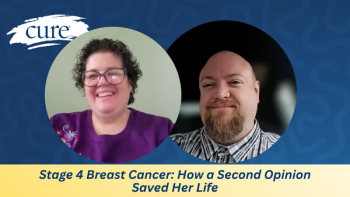
Diagnosed with stage 4 breast cancer weeks after giving birth, Eileen Carter explains why getting a second opinion changed the course of her care.

Libtayo survival data, a rare positive osteosarcoma trial and new ADCs for breast, lung and stomach cancers are among ESMO 2026 abstracts to watch.

Diagnosed with bone cancer at 14, college setter Gabby Orlet shares how volleyball, honesty and her family carried her through years of treatment.
Advertisement
Advertisement
Trending on CURE
1
Stage 4 Breast Cancer: How a Second Opinion Saved Her Life
2
Psycho-Oncologist Answers 5 Common Questions About the Emotional Impact of Cancer
3
Diagnosed With Stage 4 Breast Cancer Weeks After Giving Birth
4
Libtayo, Osteosarcoma and More: 5 Other ESMO 2026 Abstracts to Watch
5