
Opinion|Videos|July 7, 2026
Practical Considerations, Logistical Burdens, and Support Resources for Metastatic EGFR-Positive NSCLC
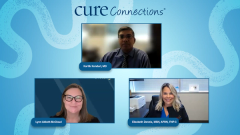
Lynn Abbott-McCloud describes the overlooked burden of being in cancer treatment, likening it to a full-time unpaid job.
Advertisement
Episodes in this series
Lynn Abbott-McCloud describes the overlooked burden of being in cancer treatment, likening it to a full-time unpaid job. Patients navigate densely packed schedules across multiple care teams, and caregivers or care partners function as coordinators and drivers. Practical realities such as parking at cancer centers, extended infusion session lengths, and treatment-related travel are real quality-of-life impacts that often go unacknowledged by care teams. For patients without a caregiver or care partner, these challenges are amplified significantly.
Elizabeth Dennis emphasizes the clinical importance of understanding patients' social circumstances, including where they live, who their caregivers are, and what transportation and logistical resources they have. Infusion-based therapies require in-person visits; even oral targeted therapies require regular clinic visits for laboratory monitoring and adherence assessment. Meeting patients where they are and addressing logistical needs is as important as addressing medical needs.
Resources for patients include the American Cancer Society's road-to-recovery transportation program, cancer center-arranged discounted or complimentary hotel accommodations for patients traveling long distances, nurse navigators for care coordination within oncology practices, social work referrals for community and government-based resource identification, and support groups for both patients and caregivers.
Lynn Abbott-McCloud describes LiveLung's programs in detail: monthly educational meetings (both in-person and virtual) featuring expert speakers and peer networking; a new dedicated caregiver and care partner program addressing the distinct needs of that population; private social media groups for patients and separately for caregivers and care partners; a clinical trial navigation program; Hope Totes distributed to over 130 cancer centers across the United States; and annual events including the Small Cell Lung Cancer Summit, the Advocacy Academy, and the Survivorship Summit. Elizabeth Dennis lists additional patient resources including the Lung Cancer Research Foundation, the American Lung Association, the National Cancer Institute, and the LiveLung Foundation, as well as the nurse navigator services available within many oncology practices.
Advertisement
Related to this article

Debbie Legault, whose daughter was diagnosed with breast cancer at 27, urges shoppers to skip pink ribbon products and donate directly to support organizations.

A study of 52,236 patients with cancer found that episodes of unintended weight loss affected 46.63% of patients and were tied to shorter overall survival.
Diagnosed with leukemia at 8 years old, Harper feared that losing her hair would change who she was. She reflects on body image, confidence and finding a sense of herself during cancer treatment.
A psycho-oncologist answers 5 common questions about cancer-related anxiety, depression, fear of recurrence and emotional well-being.

U.S. counties where more residents had medical debt in collections had higher rates of late-stage lung, head and neck, colorectal and several other cancers, according to a study of 2,958 counties published in October 2026 in JAMA Network Open.
Diagnosed with stage 4 breast cancer weeks after giving birth, Eileen Carter explains why getting a second opinion changed the course of her care.

Libtayo survival data, a rare positive osteosarcoma trial and new ADCs for breast, lung and stomach cancers are among ESMO 2026 abstracts to watch.

Diagnosed with bone cancer at 14, college setter Gabby Orlet shares how volleyball, honesty and her family carried her through years of treatment.
Advertisement
Advertisement
Trending on CURE
1
Stage 4 Breast Cancer: How a Second Opinion Saved Her Life
2
Psycho-Oncologist Answers 5 Common Questions About the Emotional Impact of Cancer
3
Diagnosed With Stage 4 Breast Cancer Weeks After Giving Birth
4
Libtayo, Osteosarcoma and More: 5 Other ESMO 2026 Abstracts to Watch
5