Life after cancer can bring lasting physical, financial and emotional challenges, especially for young survivors navigating life after treatment.
A daughter’s cancer journey shows that survivorship is filled with constant waiting—from tests and treatment to life milestones — where each result can bring relief or fear.
We go through our lives waiting for a lot of things. Waiting for a text from someone new. Waiting in line at the DMV. Waiting for the check to come in the mail. One of my most frequently used lines with my children when they were young and losing patience was, “I know waiting is hard.” But nothing … nothing … prepared me for what cancer waiting is like.
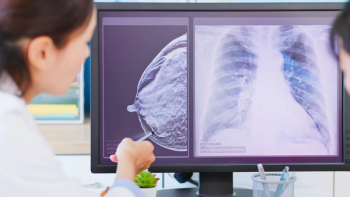
There is waiting the first time to find out if it’s cancer. Usually there’s a multistep process. For my daughter’s breast cancer, she skipped the mammogram because the doctor who felt the lump knew they would see it and refer her on, so the initial step was an ultrasound. Wait number one took a week to find out that the ultrasound couldn’t determine what the lump was. The next step was the biopsy, and that was two weeks of waiting to hear it was “a little bit of cancer.” After that was a flurry of activity that led, in my daughter’s case, to surgery to remove the lump, including a sentinel lymph node biopsy to see if the cancer had spread beyond her breast. Two more weeks of waiting to find out there was nothing in the lymph nodes they tested.
That relief got turned on its head three weeks after her first surgery because the radiation oncologist didn’t like the look of a lymph node further up her armpit and asked for it to be biopsied. One more procedure, one more wait, only to find out that her cancer had indeed moved into her lymph nodes. The decision was made to wait until after the aggressive chemotherapy treatments she would undergo to see if it would kill those cells.
After the first surgery came the fertility preservation treatment. Daily shots, multiple trips to the clinic downtown to check how things were going and more waiting to see if the one attempt she had before she had to start chemo would produce any viable eggs to give her the chance at biological motherhood.
It did.
Then months of chemo followed and, as soon as she was healthy enough for surgery, they removed the questionable lymph nodes and many of their neighbors. Waiting for those results was one of the most difficult moments, wondering if the misery she had experienced from the treatment had actually worked and the beast was dead.
It was.
We had been told that the numbness in her feet and hands that came with her second round of chemo might or might not be permanent or that other side effects could occur months after treatment with this particular medication ended. Thankfully, within two months the feeling came back, but we had to wait a long time to see if other side effects would present.
They didn’t.
Once chemotherapy was over, we waited to see if her hair would grow back. She knew from meeting many women along the way that it doesn’t necessarily return everywhere, and waiting to see eyelashes, eyebrows and the hair come in all over her head was torturous.
It did.
Then, as part of the normal replacement cycle, her eyelashes fell out again four months later and she had to wait to see if they would grow back again.
They did.
A few years later my daughter decided to go off ovarian suppression medication to try to have a baby. She had been told that it could take a while, and the oncologist made an appointment for six months later to get her started on IVF just in case. She had to wait three months after finishing the medication to try because it’s toxic for fetuses, and she was overjoyed to find herself pregnant the old-fashioned way the first month they could try. But then she had to wait for results from all the tests possible to see if the chemotherapy had damaged the egg that had become her baby.
It hadn’t.
My daughter’s existence has been informed by her cancer diagnosis since she was 27 years old, and regardless of how far out she gets from having active cancer, the waiting game she has to play because of it is never-ending and excruciating. Her life is lived in increments between scans and tests to see if the cancer is back. It should get easier, but waiting for results is sadly more difficult now because, as a mother, she feels she has so much more to lose. It’s also because, as science currently stands, if one of those tests says it has come back anywhere other than her breast, it will likely take her life. And even if it is only in her breast, she knows exactly the toll the treatment will take on her body and mind.
We have so much optimism based on our experience that her luck will continue. We have played this waiting game so many times and, to date, the results have had us on the winning side. But like so many cancer patients in our shoes, we both know that at any time…
It won’t.
This is cancer survivorship.
This piece reflects the author’s personal experience and perspective. For medical advice, please consult your health care provider.
For more news on cancer updates, research and education,