Breast cancer survivor Sue Weldon discusses survivorship gaps, integrative therapies alongside treatment and why caregivers should prioritize themselves.
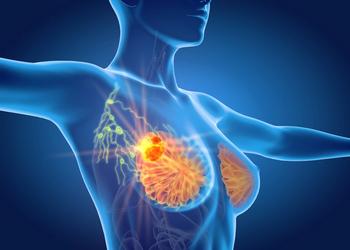
Endoscopic nipple-sparing mastectomy may improve recovery, reduce scarring and support quality of life for people undergoing breast cancer surgery.
For many people with breast cancer, finishing treatment is only part of the journey. As survival rates continue to improve, more attention is being placed on what life looks like after treatment — including physical recovery, emotional well-being and body image.
Breast cancer surgery can leave patients with more than physical changes. Scarring, changes in sensation and limitations in movement can affect confidence and how patients feel about themselves long after surgery. Newer surgical approaches, including endoscopic nipple-sparing mastectomy, aim to treat breast cancer while also considering patients' quality of life and recovery.
In this Q&A, Dr. Kaye Lu, a breast surgical oncologist at El Camino Health, discusses how breast cancer surgery can affect quality of life and explains how newer minimally invasive techniques may help patients recover while minimizing visible changes to their bodies.
Dr. Lu: As survival rates for early-stage breast cancer have improved to nearly 98% to 99%, the conversation is shifting from how patients will survive breast cancer to how they will live after treatment. Quality of life involves three main areas: physical, emotional and social well-being.
Physically, patients may experience pain, tightness or difficulty raising their arms after surgery, particularly after axillary surgery such as sentinel lymph node biopsy or axillary dissection. At El Camino Health, we offer prehabilitation before surgery to help address some of these concerns proactively.
Emotionally, scarring can also have a lasting impact. For some patients, looking at a surgical scar every day can serve as a constant reminder of their cancer diagnosis, even after treatment is complete.
Surgery can physically limit patients through issues such as capsular contracture or a frozen shoulder, which can affect their range of motion. But the emotional impact of visible scarring can be just as significant.
A scar can affect a woman's confidence, self-image and how she relates to herself as a woman. It can also affect intimate relationships. Physical therapy can help patients regain movement, while surgical approaches that consider cosmetic outcomes can help minimize visible scarring.
For example, oncoplastic surgery can place incisions in less noticeable areas. With endoscopic nipple-sparing mastectomy, the incision is hidden on the outer portion of the breast near the arm.
With a traditional nipple-sparing mastectomy, the surgeon typically makes a relatively large incision along the lower part of the breast, sometimes measuring 9 to 10 centimeters. The skin and nipple are preserved while the breast tissue underneath is removed.
With an endoscopic nipple-sparing mastectomy, we use a much smaller incision on the lateral, or outer, part of the breast. The incision is typically about 3 to 4 centimeters and is hidden by the patient's arm.
Because the incision is so small, we use specialized laparoscopic instruments and a camera to remove the breast tissue. This approach can help preserve blood flow to the skin and nipple, potentially reducing wound-healing complications such as skin or nipple necrosis.
Patients may also experience less pain and a quicker recovery because of the smaller incision. There are also data suggesting that this approach may improve skin sensation.
Many patients are able to go home the same day, which can be a significant relief. They can often return to their regular lives more quickly.
Another potential benefit is that some patients may be candidates for direct-to-implant reconstruction, allowing them to skip the tissue expander stage. Immediately after surgery, patients may also experience minimal swelling and bruising, and because the incision is hidden, they don't see a prominent surgical scar when looking at themselves from the front.
There is also some evidence of improved sensation because the smaller incision allows us to preserve nerves that cross the skin.
Reducing wound complications can be particularly important because it may allow patients to move through their overall cancer treatment more quickly. If radiation or chemotherapy is needed after surgery, avoiding complications can help prevent delays.
We're really on the precipice of some exciting developments in breast surgery and breast cancer treatment. Patients are living much longer because of advances in treatments and new drugs.
In surgery, we're moving toward increasingly minimally invasive approaches. Endoscopic nipple-sparing mastectomy is at the forefront of that movement, and robotic breast surgery is also emerging in parts of the country.
All of these developments are exciting because patients truly value their quality of life after treatment. Our goal is not just to treat the cancer, but to help patients live their lives without constantly being reminded of their breast cancer diagnosis.
For more news on cancer updates, research and education,