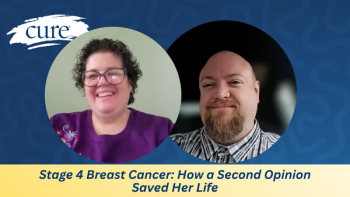
Diagnosed with stage 4 breast cancer weeks after giving birth, Eileen Carter explains why getting a second opinion changed the course of her care.

Dr. Doured Daghistani explains how pediatric oncology is shifting toward reducing long-term side effects as childhood cancer survival rates rise.
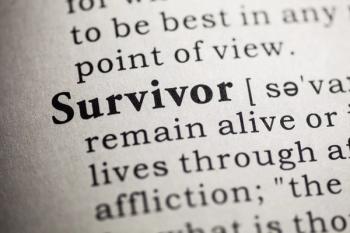
As more children survive cancer, pediatric oncologists are shifting their focus from cure rates alone to the long-term side effects survivors carry into adulthood, according to Dr. Doured Daghistani, medical director of pediatric hematology-oncology at Baptist Health Herbert Wertheim Cancer Institute.
Daghistani said that throughout the 1980s, 1990s and into the 2000s, the field's priority was almost entirely on curing children, which often meant intensifying chemotherapy without knowing what that would mean for patients later in life. That approach has since shifted, he said, as more childhood cancer survivors reach adulthood and researchers get a clearer picture of the toll treatment can take over time.
An estimated 1 in 1,000 people who turn 18 today are childhood cancer survivors, Daghistani said, and doctors are increasingly finding that many of them live with anxiety. A significant portion, he estimated 20% to 30%, face a higher risk of heart attack or stroke as they age, and some survivors don't have the same quality of life as their peers.
For cancers such as acute lymphoblastic leukemia, where survival rates already sit around 95%, Daghistani said oncologists are now working to fine-tune chemotherapy doses rather than continuing to increase them, aiming to preserve high cure rates while reducing the drugs' lasting effects on the body.
"Survivorship is a big thing in pediatric oncology right now," he said, "because we're seeing all the things we're doing to these kids catch up with them when they reach adulthood."
Despite those challenges, Daghistani said he remains optimistic about where the field is headed.
For more news on cancer updates, research and education,