After 19 years of survivorship, one cancer survivor reflects on life's changing seasons, managing scan anxiety and finding support beyond treatment.
Learn how survivor Julie Cohen navigated high-risk multiple myeloma, failed treatments and the vital role of nurse navigators in chronic cancer care.
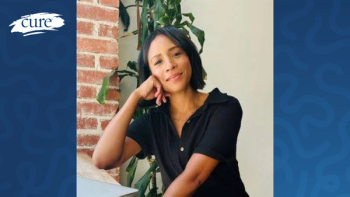
For Julie Cohen, a diagnosis of multiple myeloma wasn't just a medical hurdle — it was a profound shift in perspective. Initially searching for a cure, she soon realized that navigating a high-risk, chronic cancer required becoming an empowered, informed partner in her own care.
In this interview with CURE coinciding with March’s observation of Multiple Myeloma Awareness Month, Cohen shares how she managed the physical and emotional toll of failing three lines of therapy and a clinical trial. From leveraging telehealth during the COVID-19 pandemic to finding solace in daily meditation and the expert guidance of a nurse navigator, she illustrates the resilience required to find strength when standard treatments fall short.
Cohen: At first, I just wanted to know what I needed to do to beat it. Very quickly, though, I realized I needed to learn everything I could about multiple myeloma and understand what the options were. I had never heard of this disease. My myeloma specialist had recommended several nonprofit resources, so I really dove into that and just was focused. The ones that I utilized were the Multiple Myeloma Research Foundation (MMRF), the International Myeloma Foundation (IMF) and HealthTree Foundation. So, I really just needed to be an informed partner in my care. So that's how I approached it.
Well, that was a very scary time after the standard of care treatments didn't sustain my remission, my anxiety definitely increased. I was prepared mentally for the possibility of a shorter remission, but not one that lasted only a couple months.
So, I sought out second, third and even fourth opinions from some of the best myeloma specialists in the country. And I don't even call it a silver lining, but it was also the height of COVID and I was able to have telehealth meetings with doctors from all over the country.
I started meditating every day. I exercised as much as I could, and I asked for physical therapy, actually, after my stem cell transplant to help regain my strength, and fortunately, that was covered by insurance. I also leaned into my spiritual life, and another source of support I had was speaking with a nurse navigator at the MMRF, and then I also had a separate myeloma coach through the HealthTree platform.
It offered one-on-one counseling and support to me. My nurse navigator’s name was Grace, and she was really a compassionate, experienced myeloma nurse, and she had years of clinical experience before she started working at the MMRF. So, she really provided clear information about the drugs, she knew the protocols and also the treatment options, but she also was truly cared about my emotional well-being, which was important. Having someone that understood both the science and the emotional side of the journey really made me feel less alone and more confident in my decisions.
My husband, Ira, was with me at every appointment that first year, and that made a tremendous difference. We were both learning about this new world together, and I recorded the appointments, but he took notes. I had questions. He often had different questions. He came with me also to the Zoom appointments. He was there, right next to me for the second, third, fourth opinions. Having him there helped me process the information and feel supported, especially when I had to make those difficult decisions, if I had to change my treatment.
Clinical trials involve very close monitoring and additional labs and imaging, so there's some extra time, a little bit extra time commitment the research team where I had my clinical trials, at was Mount Sinai, and they were exceptional. My second clinical trial, which was the one that was successful, was with cevostamab, which is a bispecific antibody that uses your own immune system to target and kill the myeloma cells. There are a couple that are FDA approved. But cevostamab is still not FDA approved. It hopefully will be soon. It targets the FcRH5 protein that's expressed on the myeloma cells.
After three weeks of being inpatient for step-up dosing — it was three days in, four days out, three weeks in a row to monitor the side effects, and I had [cytokine release syndrome (CRS)], which is a common side effect of these bispecifics. Once that was over, I received the infusions every three weeks for 17 cycles, so that equated to about a year. What was wonderful about that is it allowed me to have my life back in between treatments, it gave me the opportunity to travel and really enjoy my life.
My last treatment was Dec. 1, 2022 and I have been MRD-negative 10 to the minus six, which means they cannot detect one in a million cancer cells, for four-plus years now. And they monitor me, and I'm not on any drugs at all, so I'm extremely grateful.
Exercise has always been part of my life. So I really believe it's an important part of therapy for both mental and physical health. I took walks. I rode a stationary bike. We had to be careful, although I didn't really have bone issues with myeloma, I had to be careful about that, so a stationary bike was a good option. So, I rode a stationary bike as well, even during my stem cell transplant. While I was hospitalized, I made sure to walk the hallways every day if I could, and then after the transplant, I I worked with a physical therapist to rebuild my strength. It's important to listen to your body and rest. So I did that when I needed to do that.
One of the most encouraging things I tell patients that I coach is how many more treatment options we have today, both for newly diagnosed as well as those facing relapsed and high risk. So really, the therapies are that are being improved. It's at an unprecedented pace, and for patients with high-risk markers or aggressive disease, when the standard treatments can be limited, the clinical trials can provide early access to the therapies that may not otherwise be available for years. So, I'm a strong advocate, obviously, for clinical trials, and I truly believe that one saved my life. So it's also meaningful to know that by participating, you could also help future patient patients have more options. So that's gratifying as well.
Transcript has been edited for clarity and conciseness.
For more news on cancer updates, research and education,