Deborah A. McDowell of OAW explains how patients can prepare for hair loss before chemotherapy starts.
Dr. Tracy Proverbs-Singh explains how a multidisciplinary team helps patients with GI cancers manage digestion, absorb nutrients and maintain energy during treatment.
During an interview with CURE, Dr. Tracy Proverbs-Singh, a gastrointestinal oncologist at John Theurer Cancer Center, discussed how she helps patients manage changes in digestion and nutrition.
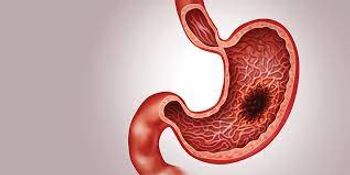
Patients with gastrointestinal cancers often face challenges absorbing nutrients and processing food, as tumors, surgeries, or treatments can affect the digestive tract. Those with colon cancer may have difficulty absorbing water, which can lead to diarrhea after parts of the colon are removed. Patients with pancreatic cancer may experience pancreatic insufficiency, causing certain foods to pass through the body without proper digestion or absorption of essential nutrients.
Managing these issues requires a coordinated, multidisciplinary approach. Doctors, nurses, dietitians and gastroenterologists work together to help patients manage symptoms, maintain energy and get the most nutrition possible from the food they eat. This comprehensive care supports overall health and helps patients better tolerate treatment while addressing the challenges unique to gastrointestinal cancers.
How do you help patients manage changes in digestion or nutrition?
I'm a gastrointestinal oncologist, so we deal with the gastrointestinal tract, and often our tumors affect our ability to not only attain nutrients, but to absorb and to deal with food, as that's the primary fuel that we have for our bodies. Oftentimes, especially with colon cancers, we don't absorb the water as much. Patients may have diarrhea when they're missing part of their colon. Patients with pancreas cancer may have what we call pancreatic insufficiency. So when they eat certain foods, they don't digest it; it goes kind of right through them. So we have different mechanisms. We're a multidisciplinary team, so between the doctors and nurses, we also include our dietitians, our gastroenterologists, to help us manage those symptoms and help us to be able to better kind of eat the food, but also get what we need out of the food, all the nutrients.
Transcript has been edited for clarity and conciseness.
For more news on cancer updates, research and education,