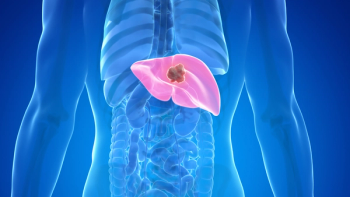
After 19 years of survivorship, one cancer survivor reflects on life's changing seasons, managing scan anxiety and finding support beyond treatment.
Thsi overview explains mesothelioma staging, diagnosis, side effects and treatment options from frontline through later lines to guide patient discussions.
Mesothelioma is a rare cancer that forms in the mesothelium, the thin layer of tissue lining the lungs, abdomen, heart or testes. The most common type is pleural mesothelioma, which develops in the lining around the lungs. Most cases are associated with prior asbestos exposure, often occurring decades before diagnosis.
Symptoms depend on where the cancer develops. Patients with pleural mesothelioma may experience shortness of breath, chest pain, persistent cough or fluid buildup around the lungs. Peritoneal mesothelioma, which affects the abdomen, may cause swelling, pain or changes in bowel habits.
Treatment decisions are based on stage, tumor location, cell type and overall health. It is important for patients to understand whether treatment is intended to remove disease, control its growth or relieve symptoms.
Diagnosing mesothelioma requires imaging and tissue confirmation. Imaging tests such as chest X-ray, CT scan or PET scan help identify abnormal thickening of the lining of the lungs or abdomen and detect fluid buildup. A biopsy is required to confirm mesothelioma. This involves removing a small sample of tissue for examination under a microscope.
Pathology testing determines the cell type, including epithelioid, sarcomatoid or biphasic. Cell type can influence prognosis and treatment planning.
Staging evaluates how far the cancer has spread. Staging plays a central role in determining whether surgery is possible and which systemic treatments are recommended. Patients may consider asking their oncologist what stage the cancer is, whether it is resectable and whether consultation at a specialized mesothelioma center is appropriate.
Stage 1 mesothelioma is localized. The cancer is confined to one side of the chest lining or one area of the abdomen and has not spread to lymph nodes or distant organs. At this stage, treatment may be more aggressive with the goal of removing as much visible disease as possible.
Treatment often includes surgery to remove visible tumor. Surgery is typically combined with chemotherapy using a platinum-based drug and pemetrexed. In selected patients, immunotherapy may also be considered.
If the cancer returns or progresses, options may include immunotherapy, a different chemotherapy regimen or enrollment in a clinical trial.
Later treatments may include additional chemotherapy or clinical trials. Symptom management and supportive care remain important.
Stage 2 mesothelioma means the cancer has spread beyond its original lining into nearby structures or lymph nodes but remains relatively localized. Some patients may still be candidates for multimodal therapy, which combines more than one treatment approach.
Treatment may include surgery combined with chemotherapy. Radiation therapy may be used after surgery to reduce the risk of local recurrence. Immunotherapy may be offered alone or in combination with chemotherapy.
If the disease progresses, treatment may shift to immunotherapy if not previously used, alternative chemotherapy or a clinical trial.
At this stage, treatment focuses on disease control and maintaining quality of life. Palliative care services may be integrated earlier.
Stage 3 mesothelioma indicates more extensive spread within the chest or abdomen, often involving nearby lymph nodes or structures. Surgery becomes more complex and is only appropriate for carefully selected patients. The primary goal of treatment is usually disease control and symptom relief.
Systemic therapy such as chemotherapy or immunotherapy is commonly used. In selected cases, surgery may still be part of a combined approach. Radiation therapy may help relieve symptoms such as chest pain.
If initial therapy stops working, options include immunotherapy, alternative chemotherapy or participation in clinical trials.
Treatment decisions increasingly balance potential benefit with side effects. Supportive care plays a larger role in maintaining comfort and daily functioning.
Metastatic mesothelioma means the cancer has spread to distant organs outside the original area, such as the opposite lung, liver or other parts of the body. At this stage, treatment is not typically curative. The focus shifts toward prolonging survival, slowing progression and improving quality of life.
Systemic therapy is the primary treatment. This may include chemotherapy, immunotherapy or a combination. Surgery is generally limited to symptom relief.
If the cancer progresses, patients may receive immunotherapy if not previously given, additional chemotherapy or enter a clinical trial.
Later-line therapy is individualized. Decisions should reflect treatment goals, side effect tolerance and overall health. Palliative care is essential in managing symptoms and supporting patients and families.
Side effects vary depending on treatment type. Chemotherapy may cause fatigue, nausea, vomiting, hair loss, low blood counts and increased risk of infection.
Immunotherapy may lead to fatigue, rash, diarrhea or inflammation of organs such as the lungs, thyroid or colon due to immune activation. Surgery carries risks including pain, infection, bleeding and extended recovery time.
Radiation therapy may cause fatigue, skin irritation and inflammation of nearby tissues. Patients should report new or worsening symptoms promptly. Many side effects can be managed with supportive medications, dose adjustments or temporary treatment delays.
A diagnosis of mesothelioma can be overwhelming, but understanding the stage of disease and available treatment options helps patients make informed decisions. Care is individualized and often involves a multidisciplinary team.
Open communication with your oncology team is critical. Patients may benefit from asking about treatment goals, expected side effects, clinical trial opportunities and supportive care services. Staying informed and involved in decision making can help patients navigate each stage of their cancer journey with clarity and confidence.
Editor's note: This article is for informational purposes only and is not a substitute for professional medical advice, as your own experience will be unique. Use this article to guide discussions with your oncologist. Content was generated with AI, reviewed by a human editor, but not independently verified by a medical professional.
For more news on cancer updates, research and education,