

News|Videos|April 19, 2016
New Drug Classes For Treatment
Advertisement
Episodes in this series


Advertisement
Related to this article
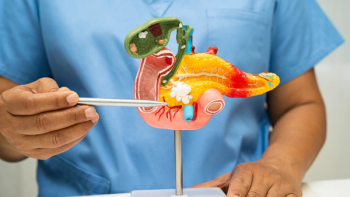
Most people with pancreatic cancer lose weight they didn't mean to. Here is how weight loss from poor digestion differs from cachexia, and what enzymes, eating strategies and appetite medicines can do.

Many people with pancreatic cancer can't fully digest food. Here's how pancreatic enzyme replacement therapy (PERT) works, how to take it with meals and snacks, and what side effects to know.
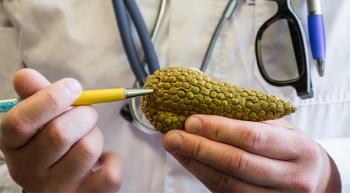
The Whipple procedure is the main operation for cancer in the head of the pancreas. Here is what is removed, what the hospital stay is like, the complications to know about and how eating changes afterward.

Immunotherapy is a mainstay of lung cancer treatment, and its side effects are different from chemotherapy's. Here are five to know, what they feel like and how care teams treat them.

Three phase 3 trials presented at the 2026 ESMO Congress looked closely at swallowing, daily functioning and blood counts in throat, kidney and colorectal cancer. Here is what they found about living well during and after treatment.
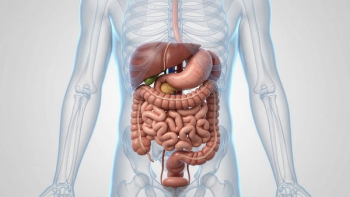
For World NET Cancer Day, CURE answers seven common questions about neuroendocrine tumors, from carcinoid syndrome and Ki-67 to dotatate PET scans and treatment options.
Up to 40% of patients with classic hairy cell leukemia relapse within 10 to 15 years. An NIH researcher explains how adding Rituxan up front may help.
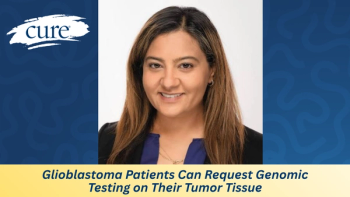
Gita Kwatra, PharmD, MBA, co-founder and CEO of the Glioblastoma Foundation, explains what happens to tumor tissue after brain surgery and how patients can ask their care team for genomic testing.
Advertisement
Advertisement
Trending on CURE
1
What Is a Whipple Procedure? Pancreatic Cancer Surgery Explained
2
Glioblastoma Patients Can Request Genomic Testing on Their Tumor Tissue
3
Weight Loss With Pancreatic Cancer: Why It Happens and What Helps
4
Datroway Slows Brain Metastases in Triple-Negative Breast Cancer
5