
Opinion|Videos|May 15, 2025
Patient Education, Shared Decision-Making, and Optimizing Care for ESR1-Mutated Breast Cancer
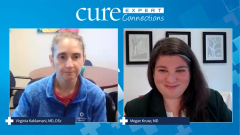
Author(s)Virginia Kaklamani, MD, DSc, Megan Kruse, MD
Panelists discuss how a multidisciplinary team approach to patient education and medication management is crucial for ensuring adherence and optimal outcomes with oral medications like elacestrant
Advertisement
Episodes in this series
Clinical Brief: Implementation and Patient Support Strategies
Main Discussion Topics:
- Role of multidisciplinary care team in patient education and support
- Importance of early intervention for side effect management
- Strategies for ensuring medication adherence with oral therapy
- Value of nurse coordinators and pharmacist integration
- Flexible approaches, including chemotherapy-endocrine therapy sequencing
Key Points for Physicians:
- Team-based approach crucial for successful oral therapy management
- Early touchpoints in first month prevent long-term discontinuation
- Patient education impacts adherence and anxiety management
- Consider short-course chemotherapy followed by endocrine therapy in select cases
- Communication protocols essential for optimal outcomes
The discussion highlighted that successful implementation of oral targeted therapies requires comprehensive support systems and proactive communication strategies to ensure optimal patient outcomes and treatment adherence.
Advertisement
Related to this article
A nurse practitioner discusses how an app provides information on cancer treatments, potential side effects and preparing for medical appointments.

Final KEYNOTE-564 data show Keytruda after kidney cancer surgery lowered the risk of death by 30%. Dr. Toni Choueiri explains what it means for patients.

HealthCare.gov open enrollment runs Nov. 1, 2026, to Jan. 15, 2027, and the 2027 out-of-pocket ceiling rises to $12,000. Here's what people with cancer should check before picking a plan.

After nearly a year of chemotherapy, a patient with stage 4 pancreatic cancer describes daily life and side effects on Rasonque (daraxonrasib).

For Lung Cancer Awareness Month, answers to common patient questions about biomarker testing in non-small cell lung cancer: which gene changes doctors look for, blood vs. tissue tests, insurance and retesting.

A physician emphasized how emotional support, reliable health information and caregiver involvement can encourage men to take a more proactive approach to prostate cancer screening and care.

After a blood cancer diagnosis, a survivor reflects on the close friends who let her be herself and asks whether she is the kind of friend she once needed.

From a new chemotherapy combination to the first RAS-targeted pill, here's what five years of pancreatic cancer approvals mean for patients.
Advertisement
Advertisement