A phase 3 trial found proton therapy did not help people with advanced liver cancer live longer than standard photon radiation therapy.
New research shows maintaining physical function and nutrition may help patients with advanced liver cancer stay on treatment longer and live longer.
For patients facing advanced liver cancer, how they feel during treatment may be just as important as the treatment itself.
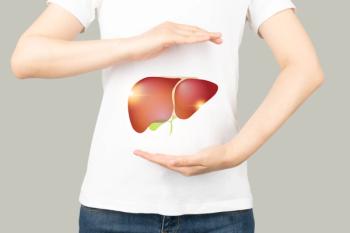
New research presented at the ONS 2026 Annual Congress reveals that a patient’s health-related quality of life (HRQoL) and nutritional status are powerful predictors of how long they will survive and how long they can remain on standard-of-care immunotherapy. The study, led by Masako Shomura and a team of researchers from Tokai University in Japan, followed 94 patients with advanced hepatocellular carcinoma (HCC), the most common form of liver cancer, who were treated with a combination of Tecentriq (atezolizumab) and Avastin (bevacizumab). This drug combination has become a standard first-line therapy for the disease, but researchers sought to understand why some patients thrive on it while others do not.
The findings were clear: a patient's ability to perform daily activities, known as physical and role functioning, directly impacts their outlook. According to the study, patients who maintained a physical function score of 80 or higher (on a 100-point scale) were significantly more likely to stay on treatment longer.
In contrast, researchers found that decreases in quality of life, specifically in physical and role domains, were significant red flags for declining health. Patients who experienced grade 2 (mild) or 3 (moderate) fatigue were nearly twice as likely to stop treatment earlier than those with minimal fatigue.
"Decreases in HRQoL ... negatively impacted treatment continuity and survival," the researchers noted in a poster presentation of the study findings, emphasizing that patients need more than just medication; they need multidisciplinary support to manage their symptoms.
Nutrition emerged as another critical factor. The study highlighted hypoalbuminemia a condition where there is not enough of the protein albumin in the blood, as a major predictor of poor outcomes. Patients with low albumin levels (grade 2/3) faced a three-fold increase in the risk of shorter survival.
The researchers observed that serum albumin levels tended to decline significantly during the first four months of treatment, even while other health markers remained stable.
Predicting long-term outcomes
The study reported that the median overall survival for patients was 19 months, while the median time before the cancer began to grow again (progression-free survival) was 6.9 months.
However, certain factors helped doctors predict which patients might survive for less than one year. These "red flag" indicators included:
For those currently undergoing treatment for advanced HCC, these findings suggest that monitoring how you feel is a clinical necessity, not just a matter of comfort. Regular assessments of quality of life using tools like the EORTC QLQ-C30 questionnaire can help healthcare teams catch declines early and intervene.
The researchers urge a shift toward patient-centered care, where oncology nurses and doctors prioritize nutritional support and fatigue management to keep patients on their life-extending therapies for as long as possible.
Editor's note: This article is for informational purposes only and is not a substitute for professional medical advice, as your own experience will be unique. Use this article to guide discussions with your oncologist. Content was generated with AI, reviewed by a human editor, but not independently verified by a medical professional.
For more news on cancer updates, research and education,