

Opinion|Videos|November 4, 2024
Support and Advocacy Groups
Key Takeaways
- Support groups and resources offer emotional support, information, and guidance for advanced prostate cancer patients.
- Patients often discover these resources through healthcare providers, cancer centers, or online searches.
Panelists discuss how various support groups and resources for patients with advanced prostate cancer can provide essential guidance and community, while sharing personal experiences on finding and using these valuable tools throughout their treatment journey.
Advertisement
Episodes in this series
Video content above is prompted by the following:
- What support groups and resources are available for patients with advanced prostate cancer?
- What support groups and/or resources, if any, have you found helpful, and how did you find them?
Advertisement
Related to this article

Vicki McGrath, a Bay Area Cancer Connections board member, talks about fatigue, fear of movement and the role of peer support in post-surgery exercise.
At its 23rd annual conference, Bay Area Cancer Connections described how donations and volunteers fund services for people facing cancer’s medical, financial and practical costs.
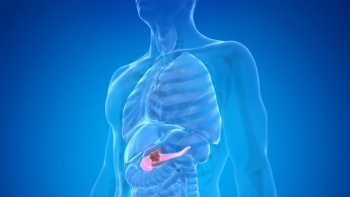
On World Pancreatic Cancer Day, here are five numbers from the American Cancer Society's 2026 report that people with pancreatic cancer and their families should understand, and what those numbers can and cannot say about one person's outlook.
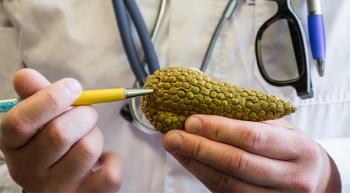
Rasonque (daraxonrasib), the first approved drug to directly target RAS in pancreatic cancer, nearly doubled survival in a key trial. Two patients, a caregiver and the professionals who care for people like them explain what it means to live with the disease.
Colleen Carvalho, chief mission officer at Bay Area Cancer Connections, explains the emotional and practical needs that often go unaddressed after a diagnosis.
Claudine Joseph, board president of Bay Area Cancer Connections, shares her mother’s breast cancer experience and why peer support matters for all patients.

Hot flashes are common during and after breast and prostate cancer treatment. Here is how hormone treatments compare with the nonhormonal medicines, therapies and comfort steps that national guidelines list, and why the right choice depends on your cancer.

For people who already have cancer, quitting smoking can help treatment work and the body heal, and the National Cancer Institute says it improves the outlook for cancer patients. Here is what quitting can do and where to find free help.
Advertisement
Advertisement
Trending on CURE
1
Pregnancy After Cancer: More Survivors Are Giving Birth
2
How Areola Tattooing Can Help Breast Cancer Survivors After Reconstruction
3
A Couple Faces Bladder Cancer Together, With a Nurse as Care Partner
4
Living With a New RAS-Targeted Drug for Pancreatic Cancer
5