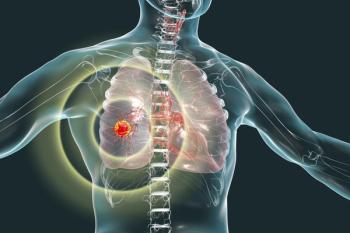
Depending on dose, firmonertinib shrank tumors in 43% to 68% of patients as a first treatment for EGFR PACC-mutant lung cancer in the phase 1b FURTHER trial.
February 2026 coverage highlighted combination EGFR therapy guidance, chemo-free treatment options, biomarker testing and survivorship lung health.
Here are the top five lung cancer articles from CURE during February, highlighting updates in treatment guidance, FDA approvals, survivorship care and the role of biomarker testing for patients with cancer and their families. The stories reflect ongoing efforts to personalize therapy, reduce treatment burden and support quality of life while improving outcomes.
The American Society of Clinical Oncology released
The recommendations draw on studies including FLAURA2 and MARIPOSA. In these trials, combination approaches such as Tagrisso (osimertinib) plus chemotherapy or Rybrevant (amivantamab) with Lazcluze (lazertinib) helped extend the time patients lived without cancer growth and improved survival outcomes for some patients.
Although combination therapies may be more effective, they were also linked to more side effects. Patients with cancer should talk with their care team about whether the potential benefits of combination treatment outweigh the risks for their individual situation.
The FDA’s approval of Rybrevant Faspro (amivantamab hyaluronidase-lpuj) provides a chemo-free subcutaneous therapy for patients with EGFR-mutated non-small cell lung cancer. The treatment can be given in about five minutes.
Experts say the option may help lower treatment burden while supporting quality of life for patients with cancer.
Joelle Thirsk Fathi, a nurse practitioner and chief healthcare delivery officer at GO2 for Lung Cancer,
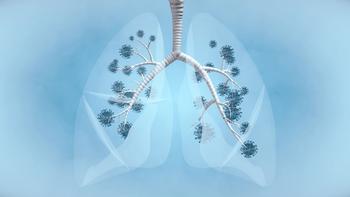
Treatments such as surgery, chemotherapy, radiation and immunotherapy can have lasting effects on lung function. Removing lung tissue reduces breathing capacity, radiation can cause scarring and some systemic therapies may affect oxygen delivery. Because lung tissue does not regrow, protecting remaining function is important.
Sabari recommends regular physical activity such as walking 30 minutes a day several times a week to help maintain lung strength. Survivors should report new symptoms such as shortness of breath, cough or chest pain. Follow-up care may include CT scans and pulmonary function testing to monitor recovery.
A lifelong nonsmoker, she was diagnosed after a persistent cough led to evaluation and genomic profiling that identified a mutation. She now receives targeted treatment with Rybrevant (amivantamab-vmjw).
Suchan said lung cancer can occur in people without a smoking history and emphasized the importance of early symptom evaluation and genetic testing. She encourages patients to ask about biomarker testing because lung cancer treatment is not the same for everyone.
Living with stage 4 disease, she continues working and attending events, sharing that treatment can allow patients with cancer to keep meaningful daily routines when care is personalized.
Cancer treatments such as surgery, radiation and systemic therapy can affect long-term lung function for survivors of lung cancer.
Treatments including chemotherapy, radiation and immunotherapy may also contribute to scarring or blood vessel injury in lung tissue. Radiation can cause localized fibrosis, while some immunotherapies may trigger immune reactions against healthy lung tissue.
Sabari emphasized protecting remaining lung capacity through regular physical activity and avoiding smoking to help slow respiratory decline and preserve oxygen exchange function.
For more news on cancer updates, research and education, don’t forget to