Understanding High-Risk Essential Thrombocythemia
Key Takeaways
- Risk stratification replaces “Stage 4” terminology, prioritizing prevention of arterial/venous thrombosis and bleeding events over tumor burden concepts.
- Diagnostic confirmation typically integrates bone marrow biopsy, JAK2/CALR/MPL testing, and evaluation for secondary thrombocytosis from inflammation or iron deficiency.
High-risk essential thrombocythemia is manageable with treatment focused on preventing blood clots and maintaining safe platelet levels.
Receiving a diagnosis of essential thrombocythemia can feel overwhelming, but it is important to understand that while essential thrombocythemia is a chronic blood cancer (a myeloproliferative neoplasm), it is highly manageable.
In the context of essential thrombocythemia, "Stage 4" is not a standard clinical term like it is in lung or breast cancer. Instead, physicians categorize essential thrombocythemia by risk levels. A "high-risk" status typically means you have specific factors, such as being over age 60, having a history of blood clots, or carrying a high "variant allele burden" of a mutation, that require more active intervention to protect your vascular health.
Here is an overview to help guide your upcoming conversations with your hematologist-oncologist.
Overview: What is High-Risk Essential Thrombocythemia?
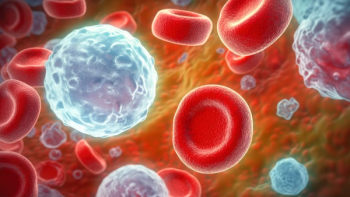
occurs when the bone marrow overproduces platelets (thrombocytes). While platelets are necessary for clotting, having too many makes the blood "sticky" or thick.
In high-risk cases, the primary goal is preventing thrombosis (clots that cause strokes or heart attacks) and hemorrhage (bleeding). Interestingly, when platelet counts become extremely high (often over 1 million), they can actually interfere with "Von Willebrand factor," a protein that helps blood clot, leading to a paradoxical risk of bleeding.
Diagnosis: Confirming the Condition
Your care team likely used a "multifactorial" approach to confirm essential thrombocythemia and differentiate it from other marrow disorders:
- Bone Marrow Biopsy: To examine the physical structure of the marrow and rule out myelofibrosis (scarring) or leukemia.
- Genetic Profiling: Testing for the "driver mutations": JAK2 (found in ~55% of cases), CALR, or MPL. Knowing your specific mutation helps your doctor predict your risk of clotting.
- Exclusionary Testing: Ensuring the high platelets aren't "reactive" (caused by iron deficiency or inflammation elsewhere in the body).
Treatment Options: Actively Lowering Counts
For high-risk patients, "watchful waiting" is usually replaced by cytoreductive therapy to bring platelet counts into a safer range.
- Hydroxyurea: The standard first-line oral medication. It acts as a "marrow suppressant" to slow down the production of all blood cells.
- Interferon Therapy (including Besremi): A biological approach that uses the body’s immune signaling to calm the marrow. This is increasingly preferred for its potential to target the underlying mutated cells.
- Anagrelide: A targeted therapy that specifically prevents platelets from maturing, often used if other medications aren't tolerated.
- Anti-platelet Therapy (Aspirin): Almost always used in tandem with the above to keep platelets from "clumping" together in the bloodstream.
Side Effects to Monitor
Each therapy carries different side effects. Open communication with your nurse or doctor is key to managing these:
- Gastrointestinal/Skin: Hydroxyurea can sometimes cause mouth sores, nail changes, or mild nausea.
- Flu-like Symptoms: Interferons may cause temporary aches, fatigue, or chills shortly after administration.
- Cardiac/Headaches: Anagrelide can occasionally cause a racing heart (palpitations) or fluid retention.
- Neurological: High platelet levels themselves can cause "microvascular" symptoms like dizziness, visual spots, or tingling in the fingers (erythromelalgia).
Conclusion & Next Steps
Essential thrombocythemia is a "marathon" disease. With consistent monitoring and the right medication, most high-risk patients live a normal lifespan. The focus of your appointments will be balancing your blood counts with your quality of life.
Questions for your Oncologist:
- "Based on my mutation (JAK2/CALR/MPL) and age, what is my specific 'thrombotic risk' score?"
- "What is our target platelet count, and how often will we do blood draws to check it?"
- "Are there newer interferon options,
like Besremi , that might be appropriate for my specific case?"
Editor's note: This article is for informational purposes only and is not a substitute for professional medical advice, as your own experience will be unique. Use this article to guide discussions with your oncologist. Content was generated with AI, reviewed by a human editor, but not independently verified by a medical professional.
References
- A Patient’s Guide to Navigating Stage 3 Essential Thrombocythemia, by Ryan Scott. CURE; March 7, 2026. https://www.curetoday.com/view/a-patient-s-guide-to-navigating-stage-3-essential-thrombocythemia.
- Besremi Recognized by Updated Guidelines for Essential Thrombocythemia, by CURE staff. Jan. 28, 2026. https://www.curetoday.com/view/besremi-recognized-by-updated-guidelines-for-essential-thrombocythemia.
For more news on cancer updates, research and education,