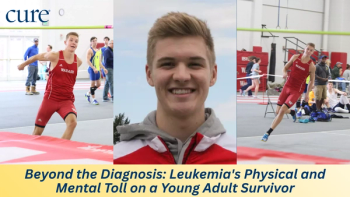
A leukemia survivor recalls how bonding with other patients helped his hospital stays go by faster and became a key part of his emotional healing.
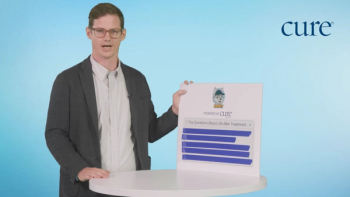
Dr. Samyukta Mullangi shares how AI can help patients understand oncology visits, ask better questions, and feel more engaged in their care.
In an era where digital tools are increasingly shaping health care experiences, Dr. Samyukta Mullangi spoke with CURE about the evolving role of artificial intelligence (AI) in cancer care. She highlights how AI can help patients better understand complex medical information, prepare for oncology visits, and take a more active role in their treatment journey, while also outlining important limitations to keep in mind.
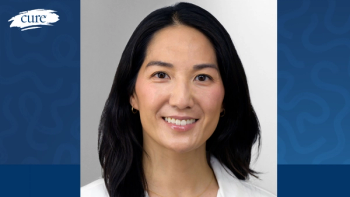
Mullangi currently serves as a board-certified medical oncologist with Tennessee Oncology.
How can artificial intelligence help patients better understand their diagnosis and prepare for oncology visits, and what are its limitations?
I think AI is going to be a go-to resource for patients, too, just in the way that it's helping everyone. In all settings where a patient was once going to Google, they might now go to a chat interface to try and ask some of those questions. I think what is really helpful is for patients to better understand what was discussed in a visit. So much of what we say is jargon; it's not patient-friendly language and it's also information overload. Being able to sort of say, "Here's what my oncologist told me," and put it into a program and say, "Explain this to me like I'm 12 years old and don't really have a medical background," is a great way to feel more empowered in your care.
I probably would not recommend trying to deep-dive on your diagnosis or treatment plan ahead of a visit before a physician speaks with you, because there is still a lot of information you probably lack as a patient at that time to really deep-dive into that. But you can ask the AI tool for questions about how to prepare for your visit. What are the sorts of questions to ask? What are the considerations that people like me have faced? What are the symptoms that I might expect? What are the systems in place that might help me get through all of this?
I think a lot of patients will come without necessarily that type of list of questions and they kind of just accept what has been told to them, so it is more of a passive experience. I think AI has the ability to turn that around such that patients who are coming into the clinic for the first time, anticipating some information about a diagnosis and treatment plan, feel empowered to receive it. They're activated to receive it.
Transcript has been edited for clarity and conciseness.
For more news on cancer updates, research and education,