Prostate cancer grows slowly, and while 50% of men on active surveillance eventually need treatment, waiting can mean years without side effects.
Before starting cell therapy, patients need more than hope — they need a plan. Dr. Muhammad Tariq breaks down what to expect at each step.
For patients facing a blood cancer or certain solid tumors, cell therapy — including CAR-T cell therapy and tumor-infiltrating lymphocyte (TIL) therapy — has opened a treatment path that didn't exist a decade ago. But unlike a standard chemotherapy regimen, cell therapy asks a lot more of patients logistically, physically and emotionally, long before the infusion ever happens.
Dr. Muhammad Tariq, , an assistant professor in the University of Florida's Division of Hematology & Oncology, discussed with CURE what patients and caregivers should understand as they consider this treatment. Tariq is a board-certified hematologist-oncologist who specializes in lymphoid malignancies, including Hodgkin and non-Hodgkin lymphoma, chronic lymphocytic leukemia (CLL), and advanced cellular therapies such as CAR-T cell therapy and bispecific antibodies. He spoke with CURE about how the process actually works, the planning it takes, and the side effects that set it apart from traditional cancer treatment.
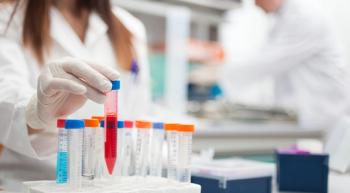
Cell therapy works differently than chemotherapy, radiation or many other immunotherapies, Tariq explained. Rather than a manufactured drug, it uses a patient's own immune cells — or, in some cases, donor cells — that are collected, genetically engineered in a lab to recognize and attack cancer cells, and then infused back into the body.
"They're all living drugs," Tariq said, noting that once inside the body, these engineered cells expand, persist and continue targeting cancer cells, often from a single infusion — a sharp contrast to chemotherapy, which must be dosed repeatedly and carefully to avoid harming healthy cells along with cancerous ones.
Before receiving the cells, patients typically undergo a short course of chemotherapy known as lymphodepletion, using drugs such as fludarabine and cyclophosphamide, to prepare the body's immune system to receive the new cells.
Cell therapy is currently approved for use after other treatments have been tried. Patients who don't respond well to chemotherapy, or who relapse within a year of receiving it, may be candidates, Tariq said. Patients who relapse after two prior lines of treatment are also potential candidates.
Because of that, one of the most important — and often overlooked — steps is a timely referral. Getting to a cell therapy center involves several stages: insurance approval, cell collection, and manufacturing, which alone can take two to six weeks.
"Timely referral is very important," Tariq said, encouraging any patient with a blood cancer to ask their doctor directly whether cell therapy, or a related clinical trial, might be appropriate for their case. Research is also underway in acute myeloid leukemia and several solid tumors, including breast, GI, pancreatic cancers and brain tumors.
Cell therapy isn't available at every hospital. Because these treatments are typically administered at specialized centers rather than community clinics, patients often need to travel and stay near the treatment site for the first month or so afterward.
A caregiver is essential during this window, Tariq said, since patients need someone with them around the clock for the first 30 days. That's because of two significant risks unique to cell therapy:
Because these side effects can appear suddenly, patients need to stay within reach of the treatment center even after discharge, and should seek immediate medical attention if symptoms appear.
There's also a delayed risk of infection following treatment, which is why patients are often given preventive antimicrobial medications during recovery.
Unlike chemotherapy, which can often begin within a week or two, cell therapy requires manufacturing time once cells are collected. Insurance authorization can add further delay.
Tariq emphasized that patients who understand why these delays happen are better equipped to advocate for themselves during the process, rather than feeling in the dark about the wait.
Ahead of treatment, Tariq recommends patients ask their care team:
Beyond its currently approved uses in blood cancers, melanoma and synovial sarcoma, cell therapy research is expanding quickly. Tariq pointed to promising early data in HER2-positive GI cancers, along with ongoing studies in triple-negative breast cancer, pancreatic and colon cancers, neuroblastoma and glioblastoma.
Researchers are also studying cell therapy — including allogeneic CAR-T and CAR-NK approaches — outside of cancer entirely, in autoimmune diseases such as lupus and rheumatoid arthritis, where the goal is to deplete the antibody-producing cells driving disease. One recent study even used CAR-T cells to reduce harmful antibodies in patients preparing for a kidney transplant.
"It is a very exciting field currently," Tariq said, "[and] its use is being expanded across all diseases wherever there is [a] need for immune cells to work, or [to] deplete them, or to make them work."
Cell therapy offers real promise for patients who haven't responded to other treatments, but going into it prepared — logistically, medically and emotionally — can make the experience considerably less daunting. Talking early with your care team about referral timing, caregiver support, travel logistics and what recovery looks like can help set realistic expectations for what is, in many ways, an entirely different kind of cancer treatment.
For more news on cancer updates, research and education,