Learn how nipple-sparing mastectomy, including endoscopic approaches, may help preserve appearance, reduce scarring and support breast cancer recovery.
Zovegalisib plus Faslodex elicited responses in patients with HR-positive, HER2-negative, PIK3CA-mutant advanced breast cancer.
Among patients with hormone receptor (HR)–positive, HER2-negative unresectable or metastatic breast cancer harboring PIK3CA mutations, treatment with zovegalisib (RLY-2608) and Faslodex (fulvestrant) generated durables responses, clincal trial data have shown.
Data from the phase 2 ReDiscover trial were presented at the 43rd Annual Miami Breast Cancer Conference.
Findings showed that evaluable patients treated with the recommended phase 2 dose (RP2D) of the pan-mutant–selective PI3Kα inhibitor zovegalisib (600 mg twice per day) in combination with Faslodex (31 patients) achieved an overall response rate (ORR) of 38.7%. Moreover, reductions in tumor size were reported in 80.6% of patients.
Notably, activity was observed irrespective of prior therapy and PIK3CA/ESR1 mutation status. In patients harboring PIK3CA kinase mutations (15 patients), the ORR was 66.7%, and those previously treated with Faslodex (15 patients) experienced an ORR of 40%.
“The promising efficacy and safety data observed in this first-in-human study suggest that zovegalisib has broad therapeutic potential in PIK3CA-mutant, HR-positive/HER2-negative breast cancer,” lead study author Dr. Sarah L. Sammons and colleagues wrote in a poster presentation of the data.
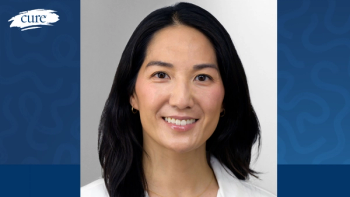
Sammons is a senior physician and associate director of the Metastatic Breast Cancer Program at Dana-Farber Cancer Institute, as well as an assistant professor of medicine at Harvard Medical School in Boston, Massachusetts.
Within the HR-positive, HER2-negative breast cancer population, approximately 40% of cases are driven by oncogenic PIK3CA mutations.
Sammons and colleagues noted that currently approved second-line agents include non-selective PI3K pathway inhibitors that have been associated with off-target toxicity.Zovegalisib is the first pan-mutant–selective inhibitor designed with the intention of mitigating off-target effects of PI3K inhibition.
ReDiscover was a multi-arm, open-label, first-in-human study that evaluated zovegalisib in patients with advanced solid tumors harboring PIK3CA mutations. The analysis presented at Miami Breast focused on patients with breast cancer treated with the recommended dose of zovegalisib in combination with Faslodex.
To be included in the zovegalisib plus Faslodex arm, patients needed to have HR-positive/HER2-negative unresectable or metastatic breast cancer not amenable to curative therapy and harbor at least one oncogenic PIK3CA mutation in the blood or tumor, per local assessment. Other key inclusion criteria comprised evaluable disease, prior treatment with at least one CDK4/6 inhibitor in the adjuvant and/or metastatic settings, at least one prior line of anti-estrogen therapy and a hemoglobin A1c (HbA1c) level below 7%. No prior treatment with a PI3Kα inhibitor, AKT inhibitor or mTOR inhibitor was permitted, and patients could not have received more than one prior line of chemotherapy in the metastatic setting.
In the combination arm, zovegalisib was administered at doses ranging from 100 mg to 1000 mg twice per day in combination with Faslodex for 28-day cycles. The RP2D of zovegalisib was established at 600 mg twice per day.
Key end points included determining the maximum tolerated dose and RP2D; safety and tolerability, pharmacokinetics and pharmacodynamics and preliminary efficacy.
Among all patients treated at the RP2D (64 patients), the median age was 59 years and 59.4% had an ECOG performance status of 0, meaning they could independently complete daily tasks. PIK3CA kinase mutations were recorded in 48.4% of patients, with the remainder harboring non-kinase mutations. Notably, 34.4% of patients in this group had a body mass index of at least 30 or a HbA1C level of at least 5.7%.ESR1 mutations were reported in 28.6% of patients.
Measurable disease was reported in 65.6% of patients, and 59.4% of patients had visceral metastases. Prior lines of therapy in the advanced setting included one (56.3%) and two or more (43.8%). All patients received a prior CDK4/6 inhibitor in the advanced setting, 51.6% received prior Faslodex and 28.1% received prior chemotherapy or an antibody-drug conjugate.
At data cutoff, 28.1% of patients were still receiving treatment. Among the 71.9% of patients to discontinue treatment, reasons for discontinuation included progressive disease (60.9%), consent withdrawal (4.7%), side effects (3.1%) and physician decision (3.1%).
Data also demonstrated that at a median follow-up of 12.5 months, evaluable patients (52 patients) achieved a median progression-free survival (PFS) of 10.3 months and a six-month PFS rate of 69.3%. The clinical benefit rate in this group was 67.3%.
Subgroup data showed that the median PFS was 11 months in patients treated in the second-line (30 patients) at a median follow-up of 12 months; 9.2 months in patients treated in the third-line or later (22 patients) at a median follow-up of 14.1 months and 18.4 months in patients harboring PIK3CA kinase mutations (29 patients) at a median follow-up of 12.5 months.
Regarding safety, the most common treatment-related side effects reported at the RP2D included hyperglycemia (any-grade, 51.6%; grade 3 (severe) 3.1%), nausea (50%; 1.6%), fatigue (42.2%; 9.4%), increased creatinine levels (39.1%; 3.1%) and diarrhea (39.1%; 3.1%). No grade 4 (life-threatening) or 5 (fatal) treatment-related side effects were reported, and instances of severe, off-target stomatitis and rash were rare.
Based on data from ReDiscover, the phase 3 ReDiscover-2 trial is evaluating zovegalisib plus Faslodex versus capivasertib plus Faslodex in patients with HR-positive, HER2-negative advanced breast cancer harboring a PIK3CA mutation who have received prior treatment with a CDK4/6 inhibitor.
For more news on cancer updates, research and education,