
Kristie L. Kahl
Advertisement

Kristie L. Kahl is vice president of content at MJH Life Sciences, overseeing CURE®, CancerNetwork®, the journal ONCOLOGY, Targeted Oncology, and Urology Times®. She has been with the company since November 2017.
She is a graduate of Rider University, where she acquired a Bachelors of Art in journalism, as well as a graduate of Temple University, where she received her Masters of Science in Sports Management.
Follow Kristie on Twitter at @KristieLKahl, or email her at kkahl@mjhlifesciences.com.
Articles by Kristie L. Kahl

Clinical trials are often the key to advancements in treating ovarian cancer. As part of its “Speaking Out” video series, CURE® spoke with Dr. Debra Richardson about what patients should know about joining a trial.

As part of the “Speaking Out” video series, CURE® spoke with Dr. Laura M. Kulik about the basics of liver cancer, highlighting the need for a multidisciplinary approach to care.

As part of its “Speaking Out” video series, CURE® spoke with Katie Brown from LUNGevity about challenges that have arisen from the COVID-19 pandemic — including delays in screening — and resources to help patients through these trying times.

In partnership with CURE®, Bonnie J. Addario and the GO2 Foundation for Lung Cancer will release “The Living Room: A Lung Cancer Community of Courage,” a collection of stories from patients, caregivers and survivors taking a personal approach to cancer care.
On Feb. 18, CURE hosted a webinar focused on educating patients on biomarker testing. Here, we highlight key takeaways from our panelists.
On behalf of the National Ovarian Cancer Coalition, CURE spoke with Dr. Debra Richardson, from Stevenson Cancer Center, about the basics of ovarian cancer and its treatments, clinical trials and psychosocial effects.
CURE spoke with Dr. Marty T. Sellers and Dr. Laura M. Kulik, on behalf of the Blue Faery, about liver cancer and disease – its treatments, causes and areas outside of therapy.
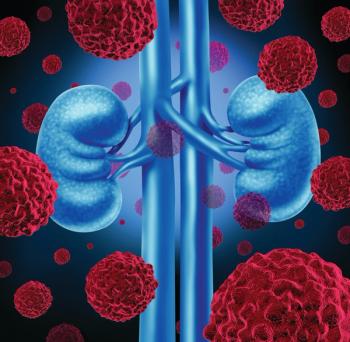
NCCN Recommends Lenvima Plus Keytruda for First-Line Renal Cell Carcinoma: What Patients Should Know
CURE spoke with Dr. Eric Jonasch about the National Comprehensive Cancer Network’s Category 1 recommendation for the combination use of Lenvima plus Keytruda for the treatment of front-line renal cell carcinoma. In particular, how it can impact a patient’s treatment journey.

CURE spoke with a cancer rights attorney about what financial toxicity is and ways to address this burden before assistance is needed.

Dr. John Marshall and his wife, Liza, look back on the trials and tribulations of Liza’s triple-negative breast cancer diagnosis – from the perspective of a patient and her husband, the caregiver and oncologist.

“This approval is an important advancement for patients whose disease has relapsed and reinforces the potential for Sarclisa to become a standard of care in relapsed or refractory multiple myeloma,” said Dr. Thomas G. Martin.

CURE® spoke with a cancer rights attorney about employment rights and how patients and their caregivers can learn more to ensure they are being protected.
The agency granted approval to the revised label of Vyxeos to now include treatment for newly diagnosed therapy-related acute myeloid leukemia or disease with myelodysplasia-related changes in pediatric patients aged 1 and older.

CURE® spoke with Monica Fawzy Bryant, chief operating officer of Triage Cancer, about health insurance options and what patients with cancer need to know.

Even as chemotherapy, surgery and radiation remain treatment mainstays, immunotherapy is ready to take the stage.
The agency granted accelerated approval to Pepaxto in combination with dexamethasone in adult patients with relapsed or refractory multiple myeloma, who received at least four prior lines of therapy.
Results from the phase 2 KarMMa trial showed that 73% of patients had a response to the CAR-T cell therapy, including 33% who experienced a complete response or better.

After a recent poll reported negative experiences among Black and Latinx patients during their cancer care, the National Comprehensive Cancer Network, American Cancer Society Cancer Action Network and National Minority Quality Forum recommended practice changes to prevent racial disparities moving forward.

As part of its Speaking Out video series, CURE® spoke with Dr. Steven M. Horwitz on behalf of the Cutaneous Lymphoma Foundation about cutaneous T-cell lymphoma and options for treatment.
Advertisement
Advertisement
Advertisement
Trending on CURE
1
Hot Flashes From Breast Cancer Treatment May Soon Have an FDA-Approved Fix
2
The 5 Most Impactful Phase 3 Cancer Trial Results From September 2026
3
10 Cancer Treatment Approvals From September 2026 and What They Mean for You
4
Shorter Radiation After Prostate Surgery Controlled Cancer as Well at 5 Years, With a Trade-Off
5