
Dr. Guru P Sonpavde discusses updated data from studies like EV-302 and CheckMate 274 for patients with urothelial cancer at the 2025 ASCO GU meeting.
Dr. Guru P Sonpavde discusses updated data from studies like EV-302 and CheckMate 274 for patients with urothelial cancer at the 2025 ASCO GU meeting.

Dr. Tycel Phillips discusses the implications of the FDA approval of Calquence plus bendamustine and Rituxan in previously untreated mantle cell lymphoma.
Dr. Ritu Salani discusses how patients with cervical cancer can advocate for their health and collaborate with their medical team to ensure the best care.
Dr. Debu Tripathy discusses the FDA approval of Enhertu in unresectable or metastatic hormone receptor HR+, HER2-low or -ultralow breast cancer.
Dr. Suneel Kamath discusses the ALASCCA study in colorectal cancer and highlighted the importance of next-generation sequencing and testing.
Dr. Marwan G. Fakih explains that KRAS mutations, found in 45% of patients with colorectal cancer, include the rare KRAS G12C mutation, leading to Lumakras approval.
In a clinical trial, patients treated with a kidney cancer vaccine remained cancer-free after a median of nearly three years.
Dr. John Oertle discusses the key benefits to come from patients with cancer connecting with support networks, advocacy groups and resources.
Dr. Gabriel A. Brooks discusses the recent FDA product labeling update for Xeloda and 5-FU which aims to highlight risks associated with DPD deficiency.

Dr. Alan Tan spoke with CURE® about what patients with kidney cancer and providers who treat it may be able to learn from ctDNA.
Dr. Filippo Pietrantonio discusses OrigAMI-1 trial data which assessed Rybrevant in mutated, wild-type, non-HER2-amplified metastatic colorectal cancer.
Dr. Jonathan R. Strosberg, discussed results of the CABINET trial evaluating Cabometyx versus placebo in advanced gastrointestinal NETs.
Dr. Anna Arthur discusses the NOURISH trial, which aims to address food insecurity and malnutrition in patients with blood cancers undergoing treatment.
Dr. Ritu Salani shared her advice for patients undergoing advanced treatment options for their cervical cancer who are experiencing side effects.

Dr. Eric K. Singhi shares his insights into the advantages of the subcutaneous formulation of Opdivo versus the IV version for patients with solid tumors.
Dr. Scott Kopetz discusses the BREAKWATER trial investigating Braftovi and Erbitux plus chemo in those with BRAF V600E+ metastatic colorectal cancer.
Dr. Susumu Hijioka spoke about the benefit of this combination therapy in patients with unresectable or recurrent GEP-NETs, particularly those with high Ki-67 scores.
Dr. David A Braun delved into detail on the molecular factors driving exceptional responses to immunotherapy in metastatic clear cell renal cell carcinoma.
Yescarta continued to demonstrate durable responses after a median follow-up of more than five years in patients with R/R indolent non-Hodgkin lymphoma.
An expert spoke with CURE about providers’ “two-fold goal” when using chemotherapy to treat patients with breast cancer.
CURE spoke with an expert about how psychedelics such as psilocybin may impact patients’ mental health.
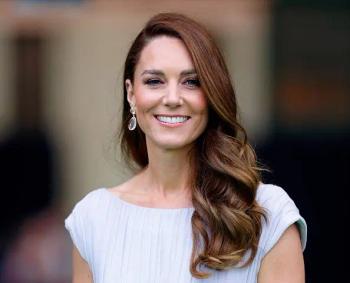
An expert explains the new phase of Princess Kate’s cancer journey as she enters remission.
Dr. Maxwell Lloyd shared the importance of improving patient access to innovative therapies like Orserdu at the 2024 San Antonio Breast Cancer Symposium.
Dr. Christopher R. Flowers delved into the meaning of MRD, discussing different ways that it may be tested for in patients with various types of cancer.
Findings show that 81% of posts related to cancer on the social media platform TikTok touted fake cures.
Dr. Aditya Bardia shared his insights on what he believes are the top side effects to be aware of when undergoing ADC treatment for breast cancer.

Dr. Balazs Halmos discusses the significance of the FDA approval of the subcutaneous injection formulation of Opdivo for patients with solid tumors.
CURE spoke with an expert about the potential positive effects of radiation therapy for patients with hepatocellular carcinoma.
Dr. Eric K. Singhi discusses the significance of the FDA approval of subcutaneous Opdivo for patients with solid tumors.
Dr. Sattva S. Neelapu discusses how the CAR-T therapy Yescarta impacts the quality of life of patients with R/R indolent non-Hodgkin lymphoma.