
CAR-T cell therapies have not always been easy to access for patients with myeloma, though that is slowly changing, an expert explained.
CAR-T cell therapies have not always been easy to access for patients with myeloma, though that is slowly changing, an expert explained.

The third and final installment of the CURE® Open Mic Showcase features comedy, essay readings and videos from patients with cancer.

Patients with cancer often experience loneliness, and the COVID-19 pandemic helped the general public better understand what that isolation felt like, an expert said.

The second installment of CURE®’s Open Mic Showcase features cancer survivors performing original songs, showcasing a handmade deck of cards and reading poetry.
Research showed a survival improvement in adolescent and young adult cancer survival after the Dependent Care Expansion allowed patients to be on their parents’ insurance until the age of 26.

From music to poetry and dynamic storytelling, the first installment of CURE®’s Open Mic Showcase highlights the talents of patients and survivors of cancer.
Men with low-risk prostate cancer can usually safely forego treatment as long as they continue to monitor their disease with their clinicians, an expert said.

One scientific development can lead to many more for patients with myeloproliferative neoplasms, a type of rare blood cancer, according to an expert.

After a patient is diagnosed with a rare disease such as a myeloproliferative neoplasm, learning about their condition and seeking expert clinicians can help put their mind at ease.
Among patients who held ice in their mouth before, during and after chemotherapy, 78% did not experience oral mucositis.

Dr. Naveen Pemmaraju outlines three reasons why he feels that there is “a momentum that’s unmistakable,” in the field of myeloproliferative neoplasms.
Mayra Andujar Delgado does not shy away from discussing her myelofibrosis diagnosis. In fact, the survivor becomes empowered by sharing her knowledge with others.
There are certain side effects from Elahere — a newly approved ovarian cancer drug — that patients taking the treatment should look out for, an expert said.
Antibody drug conjugates, which are used to treat various types of cancer, can cause eye issues, though they are easily treated if caught early, one expert said.
Patients with ovarian cancer who utilized palliative care tended to have fewer hospital readmissions than those who did not, according to a recent study.

Long-term follow-up of Nubeqa for nonmetastatic castration-resistant prostate cancer showed that the drug was safe and effective in treating this patient population.
After a patient receives a kidney cancer diagnosis, there are some important conversations to have with their health care team.
An expert explains what patients with low-grade prostate cancer can expect when undergoing genomic testing — and why the procedure is important.

From education to second opinions, an expert offers tips to patients with cancer on self-advocacy, especially when it comes to fertility preservation.
Patients with pancreatic cancer who underwent stereotactic body radiation tended to have fewer side effects and treatment sessions compared to those who had intensity-modulated radiation therapy.

While some may say that teaching breathing techniques gives patients with cancer the “heebie-jeebies”, it can actually have a major impact on patients’ pain and stress, according to an expert.
Research efforts will improve the lives of patients with myelofibrosis, though those advancements may take years to come, an expert said.

An expert offers three steps that patients can take to become more comfortable and confident with their ostomy after undergoing surgery for gastric cancer.

When patients are aware of cancer disparities, it can empower them to be proactive about their care to close the prognostic gap between races.
From odor to diet concerns, a nurse practitioner answers common questions about colostomies and ileostomies from patients with cancer.

Patients with myelofibrosis should be open about their treatment goals with their providers, and potentially consider getting a second opinion or participating in a clinical trial, one expert says.
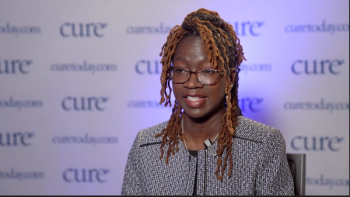
A breast cancer research nurse and lung cancer survivor stresses the importance of participating in clinical trials that are investigating the latest treatments.

A psychiatrist advises patients with cancer to speak up about their mental health concerns during cancer treatment, as there are tools that can guide best next steps.
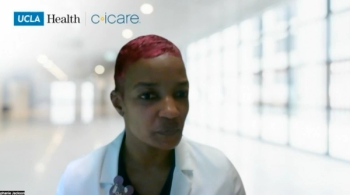
Patients with cancer are encouraged to learn more about their disease from evidenced-based sources and not “Dr. Google.”

Actor and cancer advocate Patrick Dempsey predicts that more focus will be put on complementary cancer care, such as nutrition and environmental factors, over the next several years.