
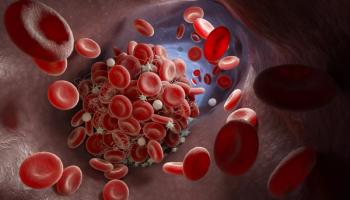
For Blood Cancer Awareness Month, Dr. Guenther Koehne shares why immunotherapy is making this a promising time for people with blood cancers.
For Blood Cancer Awareness Month, Dr. Guenther Koehne shares why immunotherapy is making this a promising time for people with blood cancers.
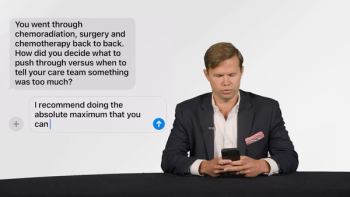
In the latest installment of CURE's "Text a Survivor" series, Brad Moore answers some of the most common questions people have about living with and beyond a colorectal cancer diagnosis.
Researchers are studying whether combining CAR-T cell therapy with targeted drugs could help children with high-risk leukemia, including infants whose cancer may be more likely to return after treatment.
Deborah A. McDowell of OAW explains how patients can prepare for hair loss before chemotherapy starts.
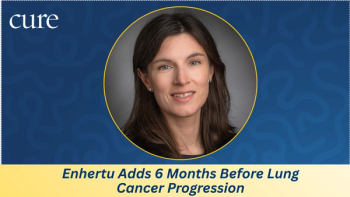
Progression-free survival reached 14.3 months with Enhertu versus 8.3 months with chemotherapy plus Keytruda in HER2-mutant lung cancer.
Dr. Dina Khalaf breaks down three clinical trials testing oral and targeted regimens for acute myeloid leukemia and myelodysplastic syndrome.
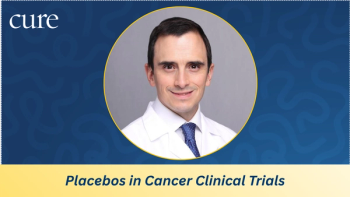
Dr. Miguel Gonzales-Velez explains how placebos are used in phase 3 cancer trials, and why joining one does not mean giving up standard treatment.
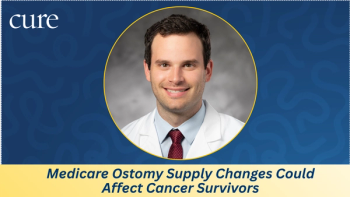
Dr. Diego Schaps discussed how upcoming Medicare competitive bidding changes could affect access to ostomy supplies and why having the right pouching system matters for patients.
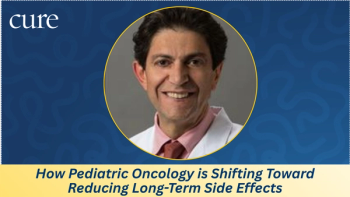
Dr. Doured Daghistani explains how pediatric oncology is shifting toward reducing long-term side effects as childhood cancer survival rates rise.
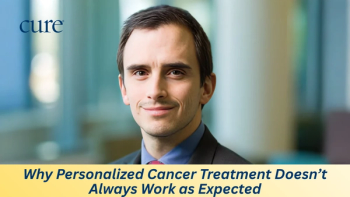
Cancer can change, hide from the immune system and escape treatment, making effective therapy about more than targeting cancer cells alone.
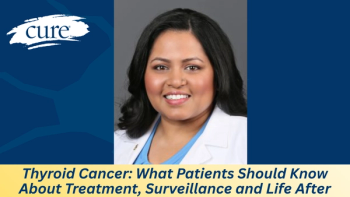
Learn what patients should know about thyroid cancer treatment, including surgery, radioactive iodine, surveillance, hormone replacement and new advances.
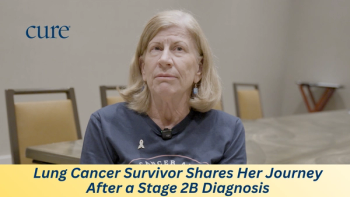
Gail Fackler reflected on her husband Jim’s stage 4 small cell lung cancer diagnosis, the uncertainty they faced and the hope they found through a clinical trial.
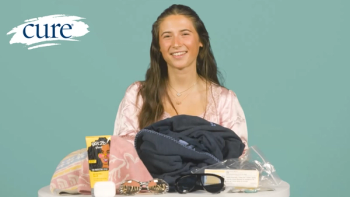
Brynn Forlizzi was just 15 when diagnosed with ovarian cancer. She shares 10 things that helped her navigate treatment while staying connected to her teenage life.
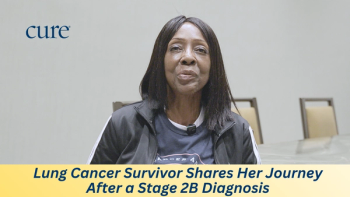
Diagnosed with stage 2B lung cancer after a screening, Vicky found community and a new purpose through lung cancer advocacy.
T-cell engagers and antibody-drug conjugates are expanding the SCLC treatment landscape as researchers focus on improving responses and overcoming resistance.

GYN oncologist Dr. Ami Vaidya, explains what gynecologic cancers are, why awareness matters and how patients can learn to recognize symptoms.
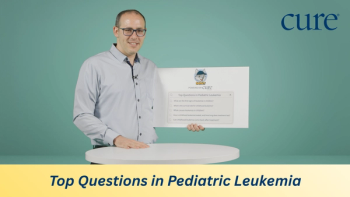
In a new video Q&A with CURE, Dr. Silverman answers the most searched childhood leukemia questions.
An incoming medical oncologist at the University of Cincinnati on how patient values shape treatment, and what precision medicine can now target.
Dr. Jia Luo explains how chemotherapy, targeted therapy and immunotherapy work for lung cancer, plus tips for managing treatment side effects.
Learn what lung cancer stages mean, why biomarker testing matters, and how advances in precision medicine are changing treatment for patients.
Nicole Schultz was treated for acute myeloid leukemia as a teenager. Two decades later, chronic graft-versus-host disease and ongoing survivorship monitoring remain part of her care.
Dr. Priscilla Merriam discusses how sarcomas can be mistaken for benign growths like lipomas and fibroids, and why asking about a biopsy can matter before surgery.

An oncologist explains why the choice between removing one lobe or the whole thyroid should be a conversation, not a surprise.
An incidental CT scan revealed stage 1A lung cancer. After robotic surgery at Hackensack University Medical Center, Carolyn Rothfeld describes a recovery that took longer than she expected.
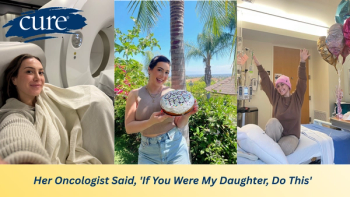
Serene Hesri was 25 when Hodgkin lymphoma was diagnosed. After relapsing, she enrolled in a clinical trial — and has been in remission for five years.
Kristie Kahl of CURE spoke with Nicole Wright Dirks, a volunteer with Blue Faery, a patient advocacy organization focused on liver cancer.
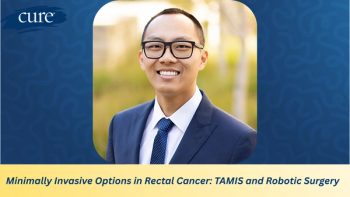
Dr. Mark Zhao of UCSF Health discusses how TAMIS and single-port robotic surgery give select rectal cancer patients less invasive care and faster recovery.
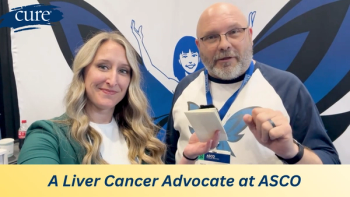
Jeff Cape, a Blue Faery volunteer and HCC caregiver, shares why patient voices matter at ASCO and what he wishes every cancer patient knew.
In episode 2 of the After Cancer Podcast, Dr. Leslie Waltke explores why the end of treatment can feel harder than anything that came before it.
Leslie Waltke's new podcast explores how cancer labels like 'survivor,' 'patient' and 'victim' evolved — and why no single word fits everyone.