








The phase 3 ARASTEP trial will investigate Nubeqa plus androgen-deprivation therapy in certain patients with hormone-sensitive prostate cancer.
The phase 3 ARASTEP trial will investigate Nubeqa plus androgen-deprivation therapy in certain patients with hormone-sensitive prostate cancer.

Watch Dr. Patrick Borgen, from Maimonides Medical Center, discuss the de-escalation of surgery during the CURE Educated Patient® Breast Cancer Summit at MBCC.

Twenty-five years ago, I was diagnosed with ovarian cancer, which sparked fears of leaving my loved ones behind.
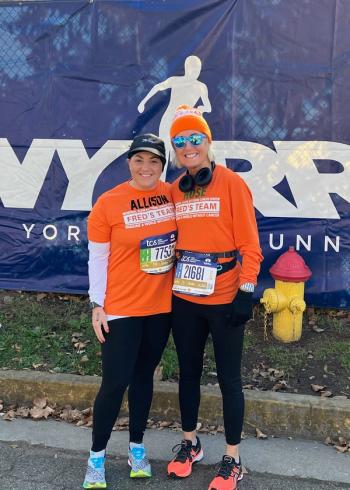
A marathon runner who was diagnosed with metastatic melanoma learned that what she enjoyed doing before cancer could help her regain her energy and identity during and after treatment.

I’m reflecting on the distant past — a time before my cancer diagnoses.

Skipping radiation therapy for breast cancer may not affect 10-year survival, but one radiation oncologist suggests patient noncompliance with endocrine therapy is the real reason for reduced benefits.

Watch Dr. Joseph Panoff, from Miami Cancer Institute, Baptist Health South Florida, discuss radiation therapy in early stage disease during the CURE Educated Patient® Breast Cancer Summit at MBCC.
Patients with ovarian cancer who utilized palliative care tended to have fewer hospital readmissions than those who did not, according to a recent study.

Patients with advanced melanoma who followed the Mediterranean diet tended to have improved responses to immunotherapy treatment, recent research showed.

I am amazed at how a song drenched in hope emerges out of the fog when I need it most during cancer.
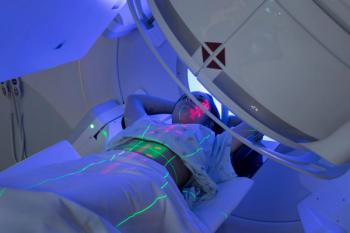
The temporary tattoos that guided the radiation for my cancer treatment were not beautiful, artistic or cool — they were more than that.
Watch Dr. Susan Domchek, Dr. Debu Tripathy and Dr. Jennifer Gass answer questions about precision medicine during the CURE Educated Patient® Breast Cancer Summit at MBCC.

Watch Dr. Debu Tripathy, from The University of Texas MD Anderson Cancer Center, discuss circulating tumor DNA during the CURE Educated Patient® Breast Cancer Summit at MBCC.

I’m looking back and sharing the lessons learned from 10 years of cancer survivorship.
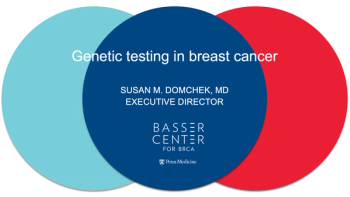
Watch Dr. Susan Domchek, from Penn Medicine, discuss genetic testing during the CURE Educated Patient® Breast Cancer Summit at MBCC.

My cancer diagnosis taught me to speak up and ask, “What do I need to know?” and “What can I be doing for myself?”

Gay and bisexual men with prostate cancer may have different needs that need to be addressed with health care providers as they go through treatment and beyond.

When all is said and done what is important to me was that we did all we could to save her. And when that failed, we did all we could to make her passing as peaceful as possible.

From Sam Neill announcing his cancer diagnosis to Martina Navratilova stating that she is now cancer-free, here’s what’s happening in the oncology space this week.
Watch Dr. William J Gradishar, Dr. Kevin Kalinsky and Kelly Thomas answer questions about hormone receptor-positive and triple-negative breast cancer treatment options during the CURE Educated Patient® Breast Cancer Summit at MBCC.

Choosing to get a mastectomy was a difficult decision to make, but then the pathology results came back indicating a second cancer.

We recently asked our audience how they advocate for themselves and others in the oncology space. Here’s what they had to say.

After going through cancer, I better recognize my triggers for heightened anxiety.

Patients with HER2-positive breast cancer often need to undergo aggressive treatment, but ongoing research is determining if chemotherapy can be scaled back for certain patients.

Watch Dr. Kevin Kalisnky, from Winship Cancer Institute of Emory University, discuss treatment for triple-negative disease during the CURE Educated Patient® Breast Cancer Summit at MBCC.

After being diagnosed with breast cancer, I learned more about the disparities that Black women with the disease face.

This FDA approval of Zynyz was based on findings from a study which demonstrated that the therapy improves responses in patients with locally advanced Merkel cell carcinoma.

As a breast cancer survivor, it’s not only my duty to help the newly diagnosed, but it’s also my responsibility to heed the advice of seasoned champions.

A multiple myeloma survivor discusses how continued minimal residual disease negativity made her feel more confident in coming off of maintenance therapy.
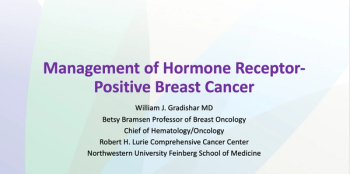
Watch Dr. William J. Gradishar, from Northwestern University, discuss the management of hormone receptor-positive disease during the CURE Educated Patient® Breast Cancer Summit at MBCC.