



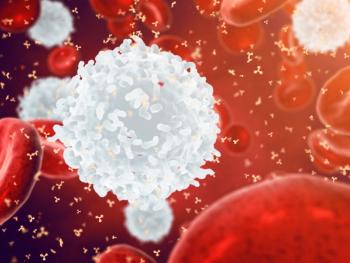
A new T-cell therapy can be highly effective in treating BKV-associated hemorrhagic cystitis while minimizing side effects.
A new T-cell therapy can be highly effective in treating BKV-associated hemorrhagic cystitis while minimizing side effects.

Combine a mother’s breast cancer diagnosis with her daughter’s comedy background — what do you get? A podcast that laughs in cancer’s face.

A woman with ovarian cancer describes how blood work numbers play a key role for patients with cancer and often dictate their thoughts and worries.

An expert from the Leukemia & Lymphoma Society breaks down the effectiveness of the COVID-19 vaccine in patients with blood cancers on this episode of the “Cancer Horizons” podcast.
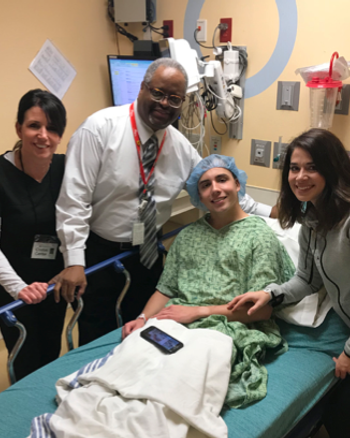
A three-time acute lymphoblastic leukemia survivor became a bone marrow transplant nurse and now helps other patients with the same diagnosis.

Elacestrant improved progression-free survival in patients with ER-positive/HER2-negative advanced or metastatic breast cancer.

An abundance of clinical trials is giving patients with acute myeloid leukemia (AML) hope for a better future.

A patient turned to yoga during treatment for breast cancer and is now helping others do the same.

The number one reason to participate in a clinical trial is because someone has to do it so new drugs can be developed to treat and even cure cancer. All of the drugs we have now were made possible by patients who were brave enough to try those drugs.

Talking with a doctor about costly cancer treatments and being frank with health care teams can ease financial distress for patients with cancer.

Yvonne Orji, actress and comedian from HBO’s “Insecure” discussed the racial disparities for Black women who receive a diagnosis of triple-negative breast cancer.

A company focused on treating underserved patients announced that the first patient with an NTRK fusion was dosed in a phase 2 trial of taletrectinib this summer.

Oncologists are learning that cancer can be treated during pregnancy with relative safety in the second and third trimester.

The ESPN sportscaster Dick Vitale was diagnosed with lymphoma, after receiving a melanoma diagnosis earlier this year.

A woman with metastatic breast cancer looks back on the happy memories she made this summer and how she uses them as strength in the face of cancer. “Sometimes, when we’re lucky, the scale tips toward the good,” she writes.

A mother of three who received a diagnosis of stage 4 breast cancer right before the pandemic shares what her must-have comfort and entertainment items are in her treatment bag.

Engineered cell technology is an example of ingenuity that brings together cutting-edge laboratory science and clinical trials to address aggressive cancers.
Knowing the type, phase and eligibility criteria is key in reading cancer research.

Gleevec was approved by the FDA in 2001. The groundbreaking oral drug has since been a lifesaver for many patients with chronic myeloid leukemia.

Colin Powell has died of complications from COVID-19 after receiving treatment for a blood cancer.

October reminds us that men get breast cancer, too. A male breast cancer survivor shares his thoughts about Breast Cancer Awareness Month. “Controversy creates conversation, and conversation incites action,” he writes.
After receiving a diagnosis of multiple myeloma, a patient relied on the Multiple Myeloma Research Foundation for information and is becoming part of the conversation.

More selective BTK inhibitors like Brukinsa may give patients with mantle cell lymphoma who progressed on prior therapies another option with potentially fewer and more manageable side effects.

The first patient was enrolled and dosed in InflaRx’s phase 2 trial of vilobelimab for the treatment of cutaneous squamous cell carcinoma.

A woman who was the primary caregiver for her sister with cancer writes about how she regrets not utilizing social media to share updates throughout the treatment journey.
A patient with breast cancer details how her oncology nurse has helped her when experiencing side effects to the chemotherapy she’s receiving.
An ovarian cancer survivor explains how attending her 50th class reunion was an emotional experience as she learned of fellow classmates’ cancer experiences and struggles.
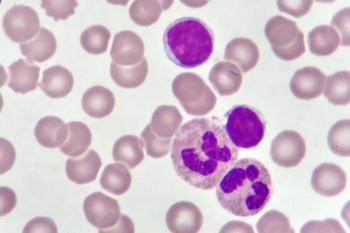
A fixed-duration treatment regimen may result in better outcomes and less time in the hospital for patients with CLL.

Maintenance therapy with PARP inhibitors may be a beneficial option for patients with ovarian cancer after the first line of treatment.

What do you do when cancer begins to drive a wedge between you and your partner? “I always feel it could cause the end of my relationship because I’m too much,” writes one survivor.