




From “Top Chef’” Shirley Chung and comedian Christina Pazsitzky announcing their diagnoses to Erica Ash’s death from the disease, here is what’s happening in the oncology space this week.
From “Top Chef’” Shirley Chung and comedian Christina Pazsitzky announcing their diagnoses to Erica Ash’s death from the disease, here is what’s happening in the oncology space this week.

Tecelra is the first cell therapy to be approved for a solid cancer in the United States, and marks the end of a decade-long drought of new drugs for this patient population.

The Food and Drug Administration approved Jemperli with carboplatin and paclitaxel for primary advanced or recurrent endometrial cancer.

Considering nutrition and frailty earlier on may help patients achieve better health-related quality of life during kidney cancer and bladder cancer.

Having role models who illustrated body positivity helped me feel more acceptance of changes after my mastectomy.

Among patients with EGFR-mutated, advanced NSCLC, frontline treatment with Rybrevant plus Leclaza significantly prolonged progression-free survival.

I wish my doctor was more upfront — sharing both the realities and the glimmers of hope — the day I was diagnosed with brain cancer.
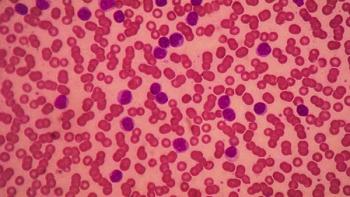
A novel Calquence regimen demonstrated improved outcomes in certain patients with chronic lymphocytic leukemia.

Post-transplant cyclophosphamide decreased the risk of complications in patients with blood cancers who underwent a stem cell transplant from an unrelated donor.

I’ve been involved in the cancer community — in one way or another — since the 1990s, when my mother was facing breast cancer.

A doctor explains how oncology palliative care can be lifesaving for patients with cancer.

I kept picking at these possibilities, grasping for reasons why cancer was happening to me rather than someone else.

The FDA approved Darzalex Faspro with Velcade, Revlimid and dexamethasone for select patients newly diagnosed with multiple myeloma.

Patients with advanced gynecologic cancer given IMNN-001 with presurgical chemotherapy tended to live nearly a year longer.

Treatment responses to Xalkori were not affected by PD-L1 expression in patients with advanced non-small cell lung cancer and ROS1 rearrangements.

Cancer tried to zap my will to live and taught me to learn about time. After being diagnosed, I realized that I had to make the most of each day.

Certain genetic mutations were associated with better responses to presurgical chemotherapy in muscle-invasive bladder cancer.

My health care team was monitoring me for cancer due to a BRCA mutation. When a hysterectomy got delayed for various reasons, I ended up with ovarian cancer.

Patients with head and neck squamous cell carcinoma can talk to their care team about a trial evaluating petosemtamab for recurrent or metastatic disease.

A novel antibody-drug conjugate received an investigational new drug application for patients with gynecologic and lung cancers.

DDF uses creative expression to inspire the next generation of patient advocates.

I watched two relatives go through cancer treatment. When I received my own diagnosis, I was thankful that my chemotherapy was more tolerable.

From finding reputable info to asking, “Do I really need all these drugs?” experts weighed in on important questions to ask after a myeloma diagnosis.

As soon as one cancer survivor spoke, I knew I had to meet and offer to work with her.

I had a mindset shift when I met someone during chemotherapy treatment who told me that I’d die of my disease, like everyone else.

Her beautiful smile and handy note pad were always there when we needed her most at the infusion center.

When I fell in love, I didn’t know my husband would end up getting cancer, but I also glad I learned that normal people like me can make a difference.

23andMe and 20 lung cancer advocacy organizations are working to improve lung cancer detection, risk reduction and care.

Being a breast cancer survivor herself, Nancy knows how to connect with the patients. She understands what they are going through, and she knows what types of testing or medications are needed for their diagnosis.

Questions about whether scalp cooling is painful and how long sessions last were answered by an expert during an interview with CURE®.