







Tecartus demonstrated similar effectiveness across age groups of patients with relapsed or refractory B-cell acute lymphoblastic leukemia.
Tecartus demonstrated similar effectiveness across age groups of patients with relapsed or refractory B-cell acute lymphoblastic leukemia.
Long-term follow-data shows Revuforj to be effective in the treatment patients with R/R KMT2Ar acute leukemias.

For patients with transplant-ineligible or -deferred newly diagnosed multiple myeloma, the addition of Darzalex to VRd improved MRD responses as well as progression-free survival.
Results from the study also showed the potential association between smoking, disease progression and survival in patients with myelodysplastic syndromes.

Treatment with bicistronic CD19/CD22 CAR-T cell therapy has shown event-free survival improvements in children with relapsed or refractory B-ALL.
Pediatric patients with standard-risk B-ALL demonstrated significantly improved disease-free survival with Blincyto plus chemotherapy versus chemotherapy alone.
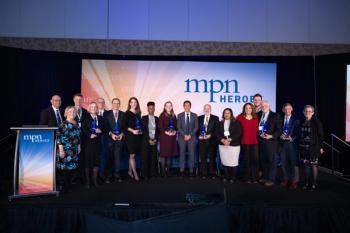
CURE celebrated seven MPN Heroes, who ranged from patients to medical professionals, on the contributions they made in the community.
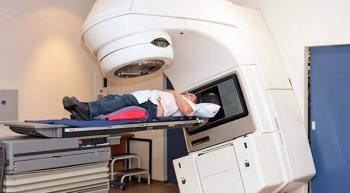
Treatment with five-fraction SBRT could be effective versus traditional radiation in certain patients with low- or intermediate-risk prostate cancer.

Since 2000, antibody-drug conjugates have been approved by the Food and Drug Administration for various cancer types, such as breast cancer.

When you’ve had cancer do doctors assume every ailment is cancer for you?

From a Hollywood star sharing an uplifting update to the death of a three-time boxing champion, here’s what’s happening in the cancer space this week.

MRIs were able to predict organ preservation and survival with the “watch-and-wait” approach in patients with rectal cancer.

Combination therapy of Lenvima with Ipex and Vepesid misses end goal in children with osteosarcoma, but further research is needed.

With more than 150 treatments being studied in clinical trials, what is on the horizon for antibody-drug conjugates in breast cancer?

When I started receiving treatment for follicular lymphoma, I wasn’t sure what to expect regarding treatment — and a lot of things were unexpected.

Author and kidney cancer survivor Katie Coleman explains why patients with cancer need to advocate for themselves when navigating the medical system.

The novel treatment is being evaluated for patients with previously treated transfusion-dependent lower-risk myelodysplastic syndrome.

Imfinzi was approved by the FDA for the treatment of adults with limited-stage small cell lung cancer without disease progression after chemotherapy and radiation.

The FDA has approved the first systemic therapy for patients with NSCLC or pancreatic adenocarcinoma with an NRG1 gene fusion.

An expert from the CURE® advisory board explains the likely treatability of Dave Coulier’s non-Hodgkin lymphoma.

I’ve learned to live in the present by avoiding clocks, a necessary change in my life after having breast cancer.

Partial nephrectomy showed similar overall and cancer-specific survival rates to radiofrequency ablation in patients with cT1a RCC.

Patients with locally advanced pancreatic cancer demonstrated a two-month difference in survival with tumor-treating fields versus chemotherapy.
The FDA has granted Breakthrough Therapy designation to sacituzumab tirumotecan for patients with advanced or metastatic nonsquamous NSCLC with EGFR mutations.

In patients with advanced solid tumors, treatment with nemvaleukin with or without Keytruda demonstrated antitumor activity and tolerability.

When my grandmother passed away one Thanksgiving after my colon cancer diagnosis, I realized how grateful I am for her life and my own as a survivor.

Singer-songwriter Danielia Cotton, a thyroid cancer survivor and marathon runner shared how her experiences impact her art.

The FDA has accepted a biologics license application for Blenrep plus bortezomib or pomalidomide for patients with relapsed or refractory multiple myeloma.

The primary endpoint of overall survival was missed in the SKYSCRAPER-01 study assessing tiragolumab plus Tecentriq in some patients with non-small cell lung cancer.

Current treatments for patients with relapsed or refractory chronic lymphocytic leukemia have shown better outcomes than published data, an expert said.