






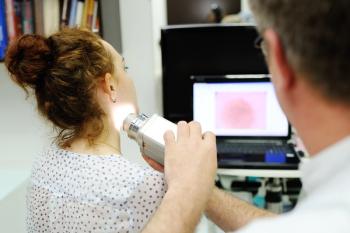
Patients with basal cell or cutaneous squamous cell carcinoma tend to have good outcomes when the disease is caught early. For those in later stages, new treatments bring hope and better prognoses.
Patients with basal cell or cutaneous squamous cell carcinoma tend to have good outcomes when the disease is caught early. For those in later stages, new treatments bring hope and better prognoses.
According to an expert from The University of Texas MD Anderson Cancer Center, patient enrollment in clinical trials that involve genomic testing are important in progressing research in their cancer types.

A cancer survivor recalls the scary moment she experienced what she thought was a new life-threatening side effect.

Recent research found that women with a history of pregnancy – even if it was not carried to term – had a decreased risk of ovarian cancer.

Patients who tested positive for the biomarker circulating tumor DNA (ctDNA) had improved disease-free and overall survival after receiving Tecentriq.

Research found discrepancies between treatment recommended by clinical trial results and treatment that is typically given to patients with mantle cell lymphoma.
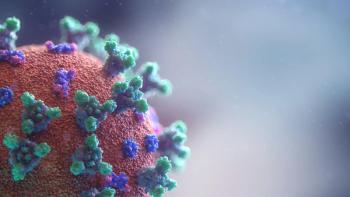
We may never know what triggered the global pandemic that has claimed more than 3.8 million lives. And we won’t know the long-term effects until enough time has elapsed. What we do know for certain is that the incredible strength and collaboration of the scientific community have allowed us to regain some semblance of normalcy.

Remember when you were a child and your parents said to eat your vegetables to grow up strong and healthy? Well, it’s still true.

Dave Fleischer’s 15,000-mile journey turned out to be more impactful than he anticipated. He traveled nationwide to spread awareness about cholangiocarcinoma, genetic testing and getting second opinions.
In patients with advanced gastrointestinal stromal tumors, a dose escalation of Qinlock after recommended treatment with the agent may be the best next step, answering for the lack of a next approved agent after Qinlock.

Patients with cancer who are treated with checkpoint inhibitors or immunotherapy, along with other treatments, run the risk of developing ILD as a side effect.

The combination of Lenvima and Keytruda was associated with improvements in survival and response rates over Sutent alone in various subgroups of patients with advanced renal cell carcinoma.

Many women with breast cancer choose to undergo reconstruction after mastectomy. Of those women, some opt for nipple sparing surgeries while others do not. “Those who choose to save their nipples are often disappointed when the tissue dies or no longer functions as it did before surgery,” writes one survivor. “But why are nipples so important?”
Opdivo was the first PD-1 inhibitor to show durable responses in patients with esophageal squamous cell carcinoma.

Recent research found that breast implants with a specific texture tended to result in a lower level of inflammation and immune reactions than other implants.

Learn the differences between sunscreen types and what to look for.
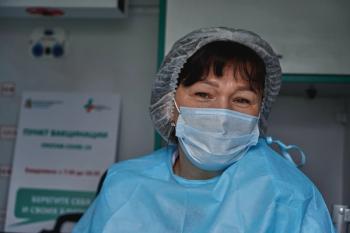
One team of oncology nurses rose above the challenges during the pandemic to continually care for their patients in different ways.

A woman describes the scars that cancer and other life events have left her with.

A colleague details how an oncology nurse goes above and beyond no matter the task, especially during the COVID-19 pandemic.

One colleague describes her fellow nurse as someone who puts patients at ease during treatment.
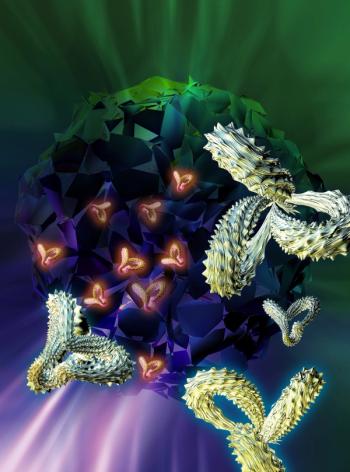
Thanks to ongoing research and clinical trials, it seems that there are always new immunotherapies emerging.

A pancreatic cancer survivor describes the ways in which undergoing cancer treatment is comparable to summiting Mount Everest.

From a dance tribute performed by Kevin Boseman, late actor Chadwick Boseman’s brother to the humorous coloring book a woman created during treatment for cancer, here’s what’s happening in the cancer landscape this week.

The combination of Gleevec and Xpovio demonstrated some promising results in a small group of patients with a rare form of advanced gastrointestinal cancer whose disease had failed to respond to prior first-line treatment with Gleevec.
As the cancer treatment landscape continues to expand, patients and their caregivers should be aware of the various clinical trials currently being conducted — including studies they can possibly join.

At a median follow-up of almost two years, 88.5% of patients remained on study treatment.

A breast cancer survivor writes a poem about a symbol of reassurance she saw while fatigued from cancer treatments.
In this episode of the “CURE® Talks Cancer” podcast, Dr. Thomas Marron of the Tisch Cancer Institute and Icahn School of Medicine at Mount Sinai in New York discusses the exciting future of cancer vaccines.

Recent findings merit further study of the immunosuppressive drug as therapy in patients with multiple myeloma.
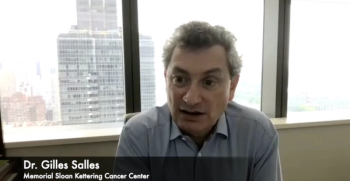
Monjuvi and Revlimid attained extended remission and improved survival in patients with relapsed or refractory diffuse large B-cell lymphoma.