







Patients with heart failure may have an increased incidence of cancer, which may be a result of similar risk factors including obesity and diabetes.
Patients with heart failure may have an increased incidence of cancer, which may be a result of similar risk factors including obesity and diabetes.

A colleague writes about an infusion nurse that has the bedside manner to make patients’ experiences with cancer a little calmer with her sense of humor and knowledge.

“My stories are my trail of crumbs leading back to my heart and my innermost thoughts,” writes a woman living with metastatic breast cancer.

From a 90-year-old man’s 3,600-mile walk to raise money for children with cancer to the death of KISS and Cinderella keyboardist Gary Corbett, here’s what’s happening in the cancer landscape this week.

CURE® offers tips to stay relaxed and healthy during the summer months.

A cancer survivor writes about the oncologist who helped him conquer the fears and anxieties of cancer treatments.
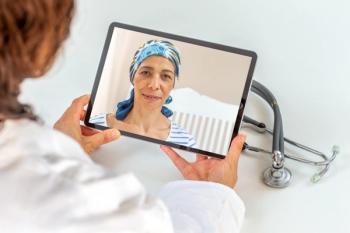
If followed, clinical trial protocols established during the COVID-19 pandemic could allow more patients participate.

The FDA’s recent approval of Rybrevant marks the first targeted therapy for a certain group of patients with non-small cell lung cancer, according to an expert at NYU Langone Health’s Perlmutter Cancer Center.
More research is needed on how a chronic lymphocytic leukemia diagnosis can affect patients and their caregivers.
A cancer survivor shares the valuable lessons she learned from the COVID-19 pandemic, almost six months after receiving her vaccination.

In this episode of the “CURE® Talks Cancer” podcast, Joey Renick opens up about his cancer journey and explains how he went on to bike 100 miles for The Leukemia and Lymphoma Society.

The Food and Drug Administration approved Keytruda plus Lenvima for patients with advanced endometrial carcinoma whose disease had progressed after previous systemic therapy and are not candidates for surgery or radiation.

The FDA will expedite the development and review of the drug combination to treat untreated intermediate- high- and very high-risk myelodysplastic syndrome.

An expert from The Skin Cancer Foundation explained how to read sunscreen labels, sun safety practices, common misconceptions about skin cancer and what cancer survivors should know about their risk.

After a testicular cancer diagnosis in 2011, CrossFit helped Rory Mckernan get his health back on track. Now, he is helping other cancer survivors do the same.

TG-1701 monotherapy or added to ublituximab and Ukoniq contributed to early complete responses in patients with B-cell malignancies.
Where should you turn after receiving a cancer diagnosis? A cancer survivor offers advice on handling the difficulties of treatment.

There is no right decision on if – or how – to reveal a cancer diagnosis in the workplace.

The FDA approval of Rylaze provides certain patients with leukemia and lymphoma with an on-demand treatment option since the only other approved therapy is currently undergoing a shortage.

A manager describes how an oncology nurse helps patients with cancer including her own mother.

The vaccine immune response monitoring platform can identify weak responses in patients with cancer and help determine the potential need for a booster shot.

Smoking cigarettes could lead to a four-fold increased risk of recurrence in patients with a previous diagnosis of non-muscle invasive bladder cancer.
“I could’ve implemented my bucket list, backed away from writing contracts, outlined my end-of-life wishes and prepared my children for my possible, impending demise,” writes a woman with ovarian cancer. “Instead, I signed a four-book publishing contract and started a full-time career as a fiction writer.”

As patients aged 65 or older receive a diagnosis of cancer, their treatment course and priorities may differ from their younger counterparts.
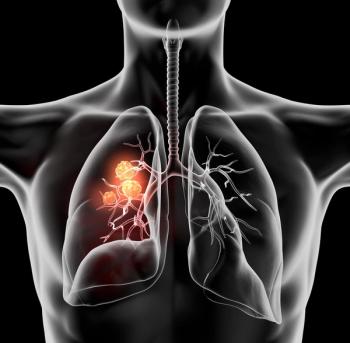



Despite this “obesity paradox,” doctors do not recommend gaining weight with hopes of improving cancer outcomes.

Researchers will examine innovative strategies to improve rates of colorectal cancer screenings in rural America.

The risk for under- or over-treatment for kidney cancer may be higher in women, in addition to Black and Hispanic patients.