








Patients with aggressive lymphomas experienced sharp increases in quality of life from time of diagnosis until one year later and continued to see improvements for almost a decade.
Patients with aggressive lymphomas experienced sharp increases in quality of life from time of diagnosis until one year later and continued to see improvements for almost a decade.

Most of the potential years of life lost, a measure of the impact of cancer-related deaths especially in younger patients, were attributed to cancers such as colon, lung and breast.
The benefit observed in patients with Waldenstrom’s macroglobulinemia treated with Imbruvica (ibrutinib) plus Rituxan (rituximab), compared with placebo and Rituxan, focused on survival and response to the treatment, both of which occurred despite prior treatment and genotypes.

Dr. Knight presents findings that suggest financial intervention can improve mortality rate in patients with hematologic malignancy at the 2020 ASH Meeting.

A patient with cancer discusses how one oncology nurse helped guide his cancer treatment to a better place.
Compared with patients assigned bendamustine with Rituxan, those assigned Venclexta with Rituxan maintained an overall survival benefit, with a five-year OS estimate of 82.1% for the Venclexta with Rituxan group vs. 62.2% for the bendamustine with Rituxan group.

Data suggest that patients with CLL/SLL who achieve confirmed undetectable minimal residual disease following 12 cycles of Imbruvica combined with Venclexta could possibly discontinue and reasonably remain off treatment.
An analysis of the phase 2 study IMbark shows how imetelstat can offer patients with high-risk myelofibrosis multiple clinical benefits, setting the stage for an expanded phase 3 trial.
The phase 3 trial found that this treatment improves progression-free survival (PFS) during 18.7 months of follow-up, although patients treated with Venclexta (venetoclax) a had increased mortality rates compared with those treated with placebo.

Emily Whitehead was the first child to receive chimeric antigen receptor (CAR)-T cell therapy. Eight years later, she and her parents discuss her ongoing remission from acute lymphoblastic leukemia.

From a recently published study showing preliminary connections between elevated levels of stress-related hormones and cancer recurrence, to a Texas mayor receiving a diagnosis of cancer and COVID-19, here’s what’s happening in the cancer landscape this week.
Evolving standards of care in newly diagnosed multiple myeloma (MM) have given patients a wider variety of possibilities but can also be disconcerting. In a presentation during CURE®’s Educated Patient® Multiple Myeloma Summit, Dr. Clifton Mo, of Dana-Farber Cancer Institute, explores the treatment landscape and breaks down what these different options can offer patients.

Chimeric antigen receptor (CAR)-T cell therapy is becoming more widely available, with two drugs approved to treat specific blood cancers and more being investigated in clinical trials across cancer types. Here’s what patients need to know if they’re considering treatment with one of these novel immunotherapies.

The reduced incidence in developing advanced cancer in patients at least 50 years and older was more prominent in those with normal weight vs. overweight or obesity.

An artificial intelligence-based algorithm within the electronic medical record provided real-time and accurate predictions of the short-term mortality rate of patients with cancer, outperforming all other prognostic incidences commonly used.
Safety and efficacy observed in this real-world study for patients with non-Hodgkin lymphoma similarly reflect findings from previous pivotal trials.
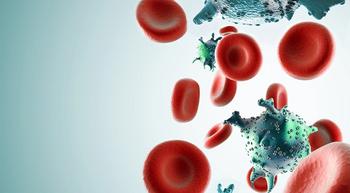
A novel type of immunotherapy known as chimeric antigen receptor, or CAR, T cell therapy is a hot topic in the news and in the lab. But what does this treatment consist of, and how was it developed?

Study results also determined that immune system status before treatment may predict outcomes post-treatment.

The drug has been approved to treat patients with advanced or metastatic RET-mutant medullary thyroid cancer and RET fusion-positive thyroid cancer.

Predicting risk for recurrence and progression in patients with nonmuscle-invasive bladder cancer may help when discussing management options with clinicians.
The radioactive diagnostic agent, Gallium 68 PSMA-11, can detect suspected prostate cancer metastasis or recurrence, providing another imaging option for these patients.

Machine learning may be used to predict disease progression in patients with advanced melanoma.

Each month, we take a look back at the most popular CURE® stories. Here are the top five stories for November 2020.

Several factors may lead to prolonged treatment duration for breast cancer including socioeconomic status, race, and barriers to care.

On social media, in honor of Thanksgiving, CURE® recently asked its readers to share what they are most thankful for this holiday season.

A patient with cancer discusses how the compassionate and encouraging presence of oncology nurses makes a difference in their cancer journey.

Patients with cancer discuss how compassionate and professional oncology nurses make all the difference on their care teams as they go through the cancer journey.
A cancer survivor describes how her oncology nurse was by her side through her cancer journey as both a nurse, and her friend.

An oncology nurse recounts how her fellow nurses are compassionate, empathetic and knowledgeable towards patients with cancer.

Women with breast cancer who undergo fertility preservation with breast cancer are more likely to give birth than those who do not, researchers report.