





“There is every reason sunscreen can be promoted on what it does in its ability to reduce your risk of skin cancers over its cosmetic application to prevent the signs of aging,” writes a melanoma survivor.
“There is every reason sunscreen can be promoted on what it does in its ability to reduce your risk of skin cancers over its cosmetic application to prevent the signs of aging,” writes a melanoma survivor.
In this episode of the “CURE® Talks Cancer” podcast, a cancer survivor who served in the Vietnam War shares the story of his Agent Orange exposure and bladder cancer.

Lifestyle exposures may be interconnected to the increase in early onset colorectal cancer cases.

Patients with myeloma who are receiving Pepaxto should discuss the potential risks and benefits of continued treatment with the drug.

It wasn’t just a miscarriage, it was a rare type of cancer called choriocarcinoma.

Opdivo was granted an accelerated approval for patients with hepatocellular carcinoma, but the indication was pulled after follow-up data failed to show that the agent improved survival over another drug.

Although CLL follows a different staging format than other cancer types, diagnosing the disease properly can open the doors for more effective treatment and management strategies.

A patient with ovarian cancer details the compassion she experienced with her oncology nurse even during the COVID-19 pandemic.

An ovarian cancer survivor shares her experience receiving a radiation treatment on her lymph nodes.

Maintaining health before and after a diagnosis of myeloproliferative neoplasms could help patients as they undergo treatment.

The Major Histocompatibility Complex Class II protein has potential to predict immunotherapy benefit in two types of breast cancer.

An online tool developed by oncologists for this rare diagnosis individualizes survival estimates, resulting in candid discussions and better decision-making.

Study findings from China show that a new treatment option improves survival outcomes in nasopharyngeal carcinoma, but can U.S. populations expect similar results?

“Each of us has our own way of marking what cancer brings to our lives, sometimes in a simple three-letter word,” writes a woman with breast cancer.

Fewer opioids have been prescribed, but there have been more emergency room visits for pain in patients with cancer who have poor prognoses.
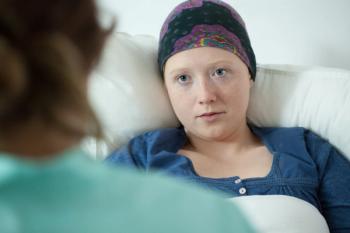
Assigning healthy classmates to accompany patients with cancer in their peer group to hospital visits had a positive impact on the patients’ social and emotional wellbeing.

The approval of the immunotherapy agent “has the potential to change the treatment paradigm” in high-risk, early-stage TNBC.

Most people who consume alcohol are unaware that it increases their risk of receiving a diagnosis of cancer, according to an expert.
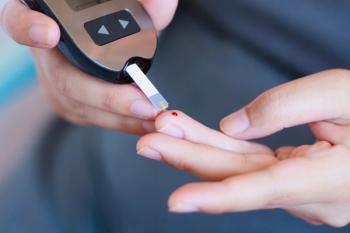
Post-menopausal women may be at an increased risk for kidney cancer if they are diagnosed with type 2 diabetes.

An expert discusses the most common reasons his patients ask him about medical marijuana.

A survivor of prostate cancer celebrates the news that his cancer has not spread and describes how remission has made him feel.

Three different people describe similar experiences with someone who stands alongside them during their journeys.
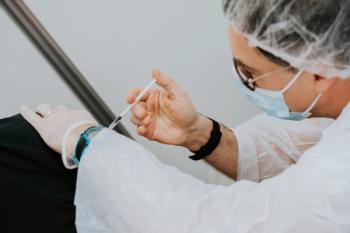
About 25% of patients with blood cancer did not produce antibodies after being vaccinated against COVID-19.

"Hildy’s creative energy in founding and nurturing Upstage Lung Cancer has made many more people aware of the disease," one man writes.

A breast cancer survivor writes a poem about feeling adrift after treatment.

A mother credits her son’s oncology nurse for saving his life and their entire family with her smile, grace and endless commitment.
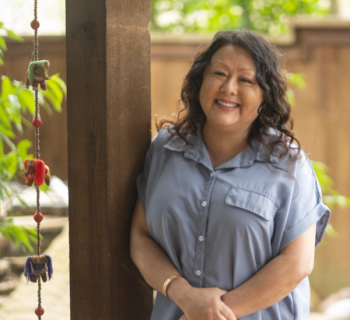
A patient with small cell lung cancer nominates writes about the woman who connected her to others with the same diagnosis.

A stage 2 breast cancer survivor uses poetry to reflect on her views about her changing body after a lumpectomy, chemotherapy and radiation.

A patient with cancer recalls his experience with group therapy started by a nurse that helped him learn more not only from her but from others in similar situations.

The FDA’s recent approval of Keytruda in combination with trastuzumab and chemotherapy in the first-line setting is an exciting change for a group of patients with certain subtypes of stomach cancer, according to an expert.