






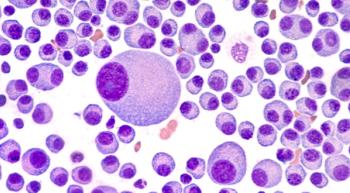
A roundup of the latest news and updates for patients with myeloma from CURE®.
A roundup of the latest news and updates for patients with myeloma from CURE®.

A meta-analysis of six clinical trials showed that standard treatment regimens for high-risk multiple myeloma may be more effective at delaying disease progression if they are given in combination with the targeted drug Darzalex (daratumumab).

The dependent coverage provision in the Affordable Care Act has helped adolescent and young adult patients with cancer stay on health insurance longer than those who had cancer before the ACA was signed into law.

Not everyone with myeloma needs to be treated right away, but when they do, there are some important upfront considerations for patients and providers.
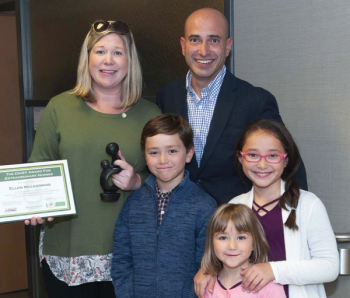
Oncology nurses tend to the needs of patients with cancer with great care, but they also tend to the unspoken needs of their patients.
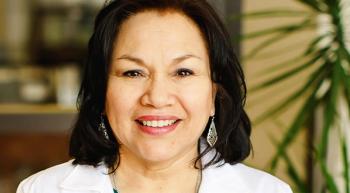
In this Extraordinary Healer® nomination essay, Alicia Castanon, M.S.N., OCN, APRN, FNP-C, proves herself as an exceptional teacher and oncology nurse.

Oncology nurses are the backbone of cancer care, and here's why they are cherished by patients and fellow nurses alike.

October is Breast Cancer Awareness month and is deeply associated with the color pink, but it wasn't always like that. Here's how the breast cancer awareness movement began.

From acclaimed actor Jeff Bridges tweeting about a new lymphoma diagnosis to controversial conservative radio host Rush Limbaugh announcing that his stage 4 lung cancer has progressed, here’s what’s happening in the cancer landscape this week.

Stephanie Walker, who was diagnosed with metastatic breast cancer in 2015, recalls how her disease has pulled the rug out from underneath her.

Treatments like kinase inhibitors are changing the options patient may have for when their breast cancer spreads to the brain.

Susan Swanson, who was diagnosed with metastatic breast cancer in 2014, says it’s very important for patients to surround themselves with a good support network.

Kirby Lewis, who was diagnosed with breast cancer in 2012 and whose disease metastasized in 2016, says his diagnosis helped his care team detect a heart condition.
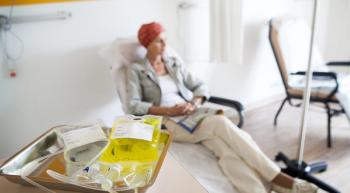
“The future is not yours,” says Pam Haldeman, who has metastatic breast cancer. “A way to get back a little bit of control is to be your own advocate and get aggressive in researching and going to every conference or retreat available.”

The breast cancer patient advocacy movement that started in the 1950s pulled the disease out of the shadows, bringing patients’ options to light.

Two women living with metastatic breast cancer that has spread to the brain describe the tools that are helping to keep them alive.

“Most kinds of breast cancer are potentially curable, but metastatic breast cancer is not,” says Kathleen Friel, lab director at the Burke Neurological Institute of Weill Cornell Medicine. “People assume, ‘Oh, you must be fine because you look fine.’ It puts a lot of expectations on us that, if somehow we’re strong enough, then we’ll beat this disease.”

The FDA’s approval or Opdivo (nivolumab) and Yervoy (ipilimumab) for the frontline treatment of patients with unresectable malignant pleural mesothelioma was desperately needed, says a thoracic oncologist at Memorial Sloan Kettering Cancer center. However, some questions remain.

A group extends a hand to those affected by breast or reproductive cancers, especially younger previvors, patients and caregivers.

Can mastectomy or lumpectomy be avoided in women with ductal carcinoma in situ?

CAR-T cell therapy is drastically improving outcomes for patients with diffuse large B-cell lymphoma. However, the treatment can come with some severe side effects that patients need to know about.

Helping underserved women at the community level can be a crucial step toward reducing deaths from late-stage breast cancer. A grassroots initiative in Florida aims to contribute to that change and inspire the formation of similar groups.

On social media, CURE® recently asked its readers to share how cancer has affected their careers.

Organized as a virtual event, the DONNA Foundation’s 2021 National Marathon to Finish Breast Cancer will allow participants to run in their neighborhoods — or on their treadmills.

Oncology nurses become family not just with one another, but their patients as well.

How does a metastatic cancer diagnosis affect families, especially children? CURE® spoke with Kate Watson, a patient ambassador for METAvivor, about the tricky balance of protecting and empowering kids.

On the cancer journey, oncology nurses are more than just a helping hand. They can be your second "mom" and guide you through the confusing parts.
Just one week of radiation therapy after surgery for early-stage breast cancer is as safe and effective as longer courses, researchers report.
An oncology nurse, patient turned advocate and cancer biologist were honored during CURE®’s third annual Ovarian Cancer Heroes program where they got to share messages of resiliency with a virtual audience.

After granting accelerated approval in 2018, the Food and Drug Administration approved Venclexta in combination with Vidaza, Dacogen or low dose cytarabine in newly diagnosed patients with AML.