
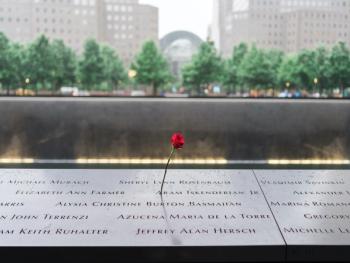
The impact from 9/11 continues to this day, including the increased risk for cancer in first responders and survivors who inhaled the toxins contained in the air around ground zero.
The impact from 9/11 continues to this day, including the increased risk for cancer in first responders and survivors who inhaled the toxins contained in the air around ground zero.
A cancer survivor dedicates two spirited poems to living 12 years post-cancer.
An expert from Mount Sinai shares his account of Sept. 11, 2001, and describes how the toxins released as a result of the attacks have long-term health impacts.

A poem about cancer written by a man who subsequently died of the disease explores the idea of finding the small joys in life despite the pain of cancer and treatment.

Remembering the simple joys of living and transporting yourself beyond immediate concerns can be helpful for patients with cancer, one woman explains in a poem.
A male breast cancer survivor asks, “How far are we willing to go for our cause?” He describes the advocacy work of two women who lost loved ones to male breast cancer.

Cancer survivors were less likely to use marijuana than their counterparts who never had cancer, according to recent research.
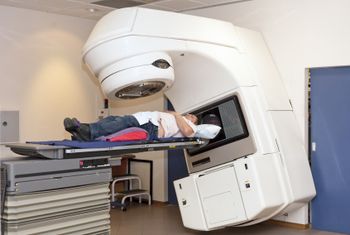
Increased use of radiation in lung cancer treatment may be a result of discoveries in research and improved spreading of information on this technology.
After undergoing surgery for brain tumors, a patient details how her nurse helped her recovery even while having the coronavirus.

One colleague details how her fellow oncology nurse puts her all towards her patients and sets an example for others at her center.
Soon after the 9/11 terrorist attacks, Judy Meyers returned to work in Manhattan, despite the terrible air quality. Years later, she was diagnosed with lung cancer, which is directly related to being in New York City in the aftermath of the destruction of the Twin Towers.

A previvor analyzes the similarities and overlaps between living with Lynch syndrome and a BRCA mutation.

Moderate-to-vigorous exercise before and during chemotherapy for breast cancer may help with cancer-related cognitive decline, highlighting the importance of physical activity throughout treatment.

A psychotherapist who underwent a bilateral mastectomy writes a haiku about finding acceptance of cancer.

A patient undergoing treatment for neuroendocrine tumors maintained a positive attitude about his cancer through phone calls from his care manager to check in after appointments, among other efforts.

A woman describes how cancer changed her life for the better in her poem, 'Gift.'

An oncologist details how his oncology nurse has helped him for over 12 years and makes him look forward to caring for over 80 patients every day with her support.

A woman uses a poem to explain how seeing a double rainbow before and during her cancer journey gave her hope.

One oncology nurse helped her patient with cancer by talking with his insurance carriers to provide a drug he needed for treatment.

A man writes a poem about an ex-girlfriend who discovered she had cancer.

The FDA approval of Tibsovo marks the first targeted therapy for patients with this liver cancer subtype.

A cancer survivor expresses the frustration of constantly worrying about protecting her health in a dangerous world.
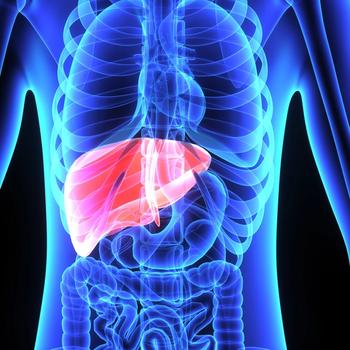
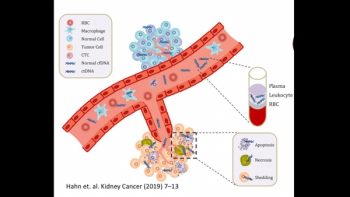
Circulating tumor DNA found in blood plasma may help predict if the likelihood of relapse for patients with large B-cell lymphoma, according to recent research.

From the death of Gregg Leakes to the effects of Hurricane Ida on a patient with stage 4 cancer, here’s what’s happening in the cancer landscape this week.

A woman writes about the PTSD she suffered as a result of her breast cancer experience, and how cancer finds its way into her therapy sessions.
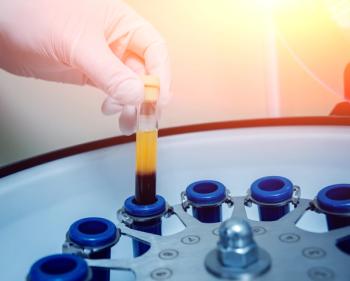
The use of convalescent plasma therapy in patients with blood cancers and COVID-19 was associated with an improvement in survival from the infection.

A caregiver discusses the grueling experience of not knowing whether cancer could strike one of her children or family members again at any given moment.

A lymphoma survivor writes a poem about her sources of resiliency when dealing with cancer treatments.
Dr. Curtis Mack shares the story of his cancer diagnosis and treatment journey in this episode of the “CURE® Talks Cancer” podcast. The oncologist describes the way it impacted his patient care.