





After receiving approvals for advanced gastric cancer and metastatic non–small cell lung cancer in 2014, Cyramza (ramucirumab) gained yet another approval in April 2015.
After receiving approvals for advanced gastric cancer and metastatic non–small cell lung cancer in 2014, Cyramza (ramucirumab) gained yet another approval in April 2015.

Going through cancer treatment in 1990 and again today has given me first-hand experience with how the landscape has changed.

Adding elotuzumab to Revlimid (lenalidomide) and dexamethasone reduced the risk of disease progression by 30 percent in patients with relapsed/refractory multiple myeloma.
A breast cancer and melanoma survivor reflects on the emotions and experiences after surgeries, chemotherapy and radiation are completed.

The addition of docetaxel to standard hormonal therapy significantly improved survival among men with newly diagnosed, hormone-naïve advanced prostate cancer.

For those with a history of non-melanoma skin cancer (NMSC), reducing their risk of recurrence can be as simple as taking the vitamin B3 pill nicotinamide.

Understanding and classifying tumors based on their genomic makeup is an essential component of precision medicine.
Tears are a normal part of the cancer struggle. Is hiding them isolating you and making it harder to get the support you deserve?
Lung cancer is the deadliest cancer killer, claiming more lives than the next four major cancers combined, but believe it or not, there are many reasons to be hopeful.

E-cigarettes, championed by some as a smoking-cessation tool, may actually decrease the likelihood of quitting smoking, according to a recent population-based study of 1,000 smokers published in The American Journal of Public Health.
A cancerversary is a great time to review priorities — am I doing what's important to me?
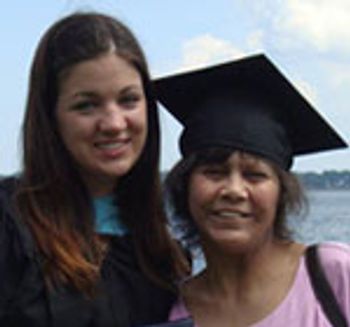
It's incredible how much personality was squeezed into my mother's 4'10" frame. She was a spitfire. A burst of energy, starting friendly conversations with anyone and everyone she met.

A two-pronged strategy combining the PARP inhibitor Lynparza and the PI3K inhibitor BKM120 proved to be a safe and clinically beneficial regimen for women with TNBC and for patients with high-grade serous ovarian cancer.

An oncology nurse navigator writes about her patient's journey with ovarian cancer.

Women who are at high risk of ovarian cancer are more likely to undergo preventive ovary removal if they are proactively offered genetic counseling, a new study has found.

Treatment strategies for patients with MDS are built upon a foundation of supportive care, which consists of transfusions, iron chelation, and growth factor therapy.
LUNGevity created a memorable weekend for lung cancer survivors, filled with great food, friends, and fun.
A breast cancer and melanoma survivor shares her thoughts on time as well as her biopsy results.

A navigator-designed, proactive, weekly, telephone support call to help patients with blood cancers manage their symptoms between appointments was able to significantly reduce unplanned hospitalizations at a Colorado cancer center.

With cancer treatment being delivered more in an outpatient setting, the burden of home healthcare has shifted more to family caregivers.

Insomnia, restless leg syndrome, sleep apnea, and other sleep issues often affect quality of life in cancer patients, their caregivers, and survivors. Unfortunately, sleep complaints can often be overlooked by the medical staff or not mentioned by the patient.

The concerns a family might have when a loved one develops squamous cell carcinoma of the oral cavity might seem obvious: fear that the patient will have a shorter life due to advanced disease, empathy for her pain, and a feeling of isolation in facing a rare presentation of cancer.

Imagine a woman with a weight problem who, two weeks after chemotherapy, goes to her doctor with a urinary tract infection and a rash on her upper chest.

While clinical trials remain a treatment option and play a significant role in furthering cancer research in treatment, symptom management and survivorship, less than 5 percent of patients participate in them, and 40 percent of patients report that they do not understand the idea of a clinical trial.

When former president Richard Nixon signed the National Cancer Act in 1971, survivorship care was not even a topic of discussion due to extensive inpatient care and high mortality rates from the disease.

While surgical advances and new treatment approvals, including Lynparza and Avastin, have improved the outlook in ovarian cancer, late diagnosis and tumor resistance remain as significant barriers to major progress in treating the disease.
Expecting to live is more pleasant than expecting to die.

In a combined decision, members of the FDA's Oncologic Drugs Advisory Committee and Cellular, Tissue and Gene Therapies Advisory Committee (CTGTAC) voted 22-1 to recommend approval of T-VEC.

The FDA has assigned a priority review designation to Opdivo (nivolumab) as a treatment for previously untreated patients with unresectable or metastatic melanoma.
It's one thing to know you have to get a certain treatment, it's another thing entirely to wait for it to come.