






The FDA approved the Ventana MET RxDx assay, making it the first companion diagnostic to aid in determining MET protein expression in non-squamous NSCLC.
The FDA approved the Ventana MET RxDx assay, making it the first companion diagnostic to aid in determining MET protein expression in non-squamous NSCLC.
Efti plus Keytruda and chemo achieved a 61% response rate in first-line advanced non-squamous non–small cell lung cancer, outperforming historical data.

Lumakras plus Vectibix showed improved overall survival and response rates in KRAS G12C metastatic colorectal cancer, though not statistically significant.

CX-2051 treatment demonstrated responses in patients with advanced, late-line colorectal cancer, according to interim data from the CTMX-2051-101 study.
Researchers followed patients for years and found that the risk of dying from prostate cancer depended on how aggressive the cancer was at diagnosis.
The U.S. FDA has approved treatment with Emrelis for adult patients with previously treated, advanced NSCLC with high c-Met protein overexpression.

Even after many cancer-free years, the fear of recurrence still lingers, and many long-term survivors struggle to keep those thoughts at bay.
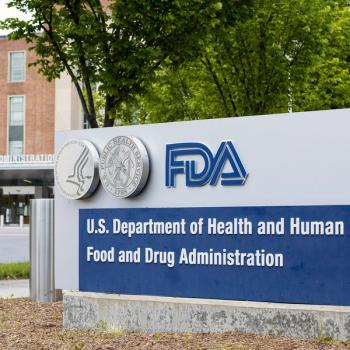
The FDA approved Welireg for adult and pediatric patients 12 and older with locally advanced, unresectable or metastatic pheochromocytoma or paraganglioma.

Aidixi plus toripalimab met progression-free and overall survival study end points versus chemo for patients with HER2-expressing urothelial carcinoma.

The addition of Erleada to ADT may provide less benefit in patients with metastatic castration-sensitive prostate cancer and fewer bone metastases.

After walking alone in Chicago’s Cancer Survivor’s Walk, I found strength, healing and a renewed commitment to live fully and authentically — starting now.
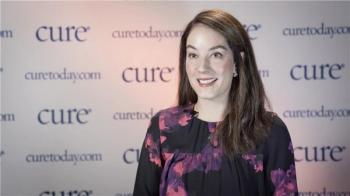
Building long-term trust with providers can help patients with MPNs feel supported, encourage them to speak up and navigate care with confidence.

Dr. Hyman B. Muss discusses the unique challenges that older patients with breast cancer face during and after treatment for their disease.

I share how I survived multiple myeloma, painful spine fractures and years of recovery to reclaim my independence and vitality.

Treatment with a custom-made vaccine combination was found to be safe and feasible for patients with bladder cancer, eliciting a strong immune response.

Treatment with Perjeta, Herceptin and chemotherapy post-surgery led to a significant overall survival benefit in HER2-positive early-stage breast cancer.

Breast cancer cracked me open but didn’t break me — it gave me voice, purpose and courage to dream boldly, live fully and speak up for those who can’t.
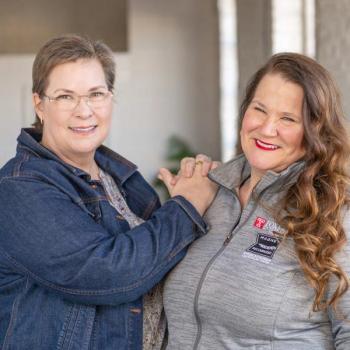
Dr. Susan Rux, a respected nursing leader and researcher, empowers teams, mentors future leaders, and advances inclusive clinical research in kidney cancer.

The field of radiation oncology has advanced in brain cancer treatment with precise therapeutic approaches including proton and carbon therapy.
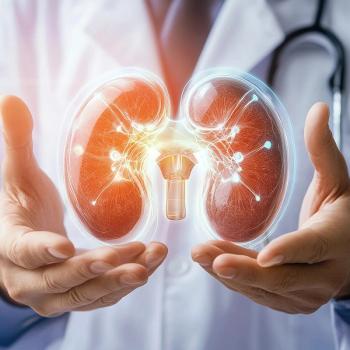
Living with stage 4 kidney cancer has taught me to embrace the present, cherish connection and find gratitude each day in unexpected places.
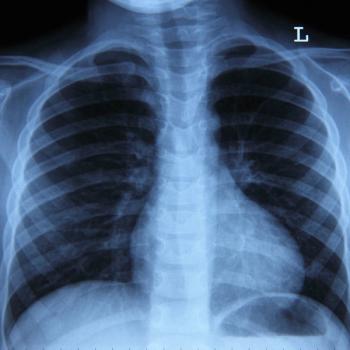
Investigators are using MET immunohistochemistry testing and FDA-approved profiling tools to personalize care and address unmet needs in NSCLC treatment.
Summer heat can worsen my lymphedema, but I’ve learned simple ways to stay cool, reduce swelling and protect my arms — here’s what helps me most.
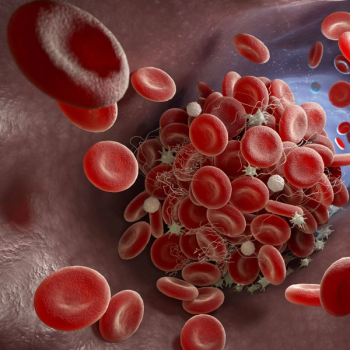
An expert reflects on the treatment landscape of Waldenström macroglobulinemia, emphasizing diagnostics, collaboration and managing neuropathy effectively.
I challenged a mistaken fall risk label before my transplant and proved that self-advocacy is crucial to both quality care and emotional well-being.

Mary Anderson, B.S.N., RN, OCN, embodies the spirit of an Extraordinary Healer.

A thoughtless birthday mammogram reminder underscored how the healthcare system ignored my reality of living with metastatic breast cancer.

Dr. Hyman B. Muss discusses the unique facets of care that should inform personalized treatment decision-making for older patients with breast cancer.

For the past 2 years, I have worked alongside Carmela Cuccurullo, NP.

For Melanoma Awareness Month, Dr. Douglas Johnson explains how stage and features of the disease can guide treatment decisions after diagnosis.

Dr. Andrew M. Evens breaks down what it means to be an adolescent or young adult with lymphoma and how treatment differs from pediatric and adult care.