







Four years after remission from follicular lymphoma, ongoing fear of relapse, lingering symptoms, and life stressors continue to weigh heavily on me.
Four years after remission from follicular lymphoma, ongoing fear of relapse, lingering symptoms, and life stressors continue to weigh heavily on me.
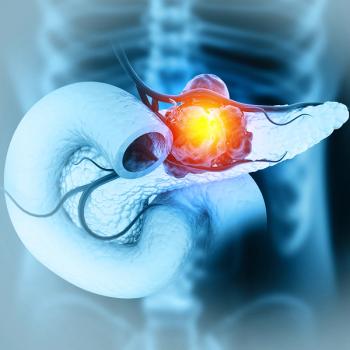
CM24 plus Opdivo and chemo improved survival in pancreatic cancer with CEACAM1 biomarkers, supporting a biomarker-driven phase 2b study.

Investigators shared real-world data showing a clear and consistent association between increased tumor size and mortality for patients with brain cancer.
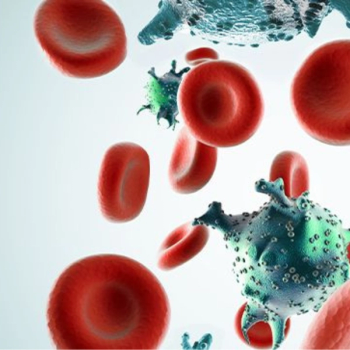
A phase 1 trial evaluating SENTI-202 demonstrated positive preliminary results in treating relapsed/refractory acute myeloid leukemia.

The Ventana TROP2 RxDx Device, a computational companion diagnostic, was granted breakthrough device designation by the FDA in non–small cell lung cancer.
Dr. Hyung L. Kim discusses how the addition of cytoreductive nephrectomy to ICI therapy may affect survival and quality of life those with kidney cancer.

TAR-200 showed high complete response rates in BCG-unresponsive, high-risk non-muscle invasive bladder cancer with CIS in the phase 2b SunRISe-1 study.

A chance meeting with my childhood friend reminded me — and others — that living with cancer means taking things one day at a time.

The FDA has granted approval to treatment with Tepylute, a ready-to-dilute version of thiotepa, at 100 mg for breast and ovarian cancers.

INX-315, a CDK2 inhibitor, received FDA fast track designation for patients with CCNE1-amplified platinum-resistant ovarian cancer.
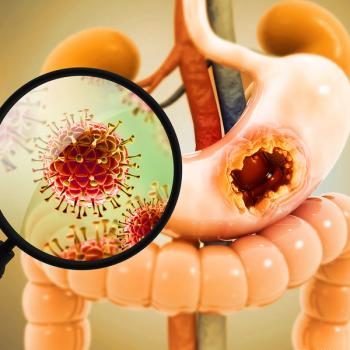
SIRT with 90Y resin microspheres led to durable disease control in patients with gastrointestinal stromal tumor liver metastases resistant to TKI therapy.

Alternating between Glivec and Stivarga therapy didn't impact survival outcomes; it led to more toxicity and discontinuations in patients with GIST.
Breast MRI helps doctors detect disease in newly diagnosed and high-risk patients without replacing mammograms, according to an expert.

Among patients with non–muscle-invasive bladder cancer, neoadjuvant mitomycin demonstrated favorable safety.

I reflect on how a generic mammogram reminder overlooked my experience as a breast cancer survivor and how thoughtful messaging could make a difference.
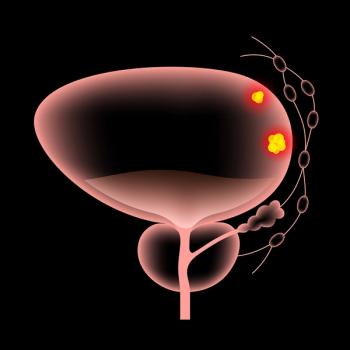
TAR-200 demonstrated a high disease-free survival and bladder preservation rates in BCG-unresponsive, high-risk non-muscle-invasive bladder cancer.
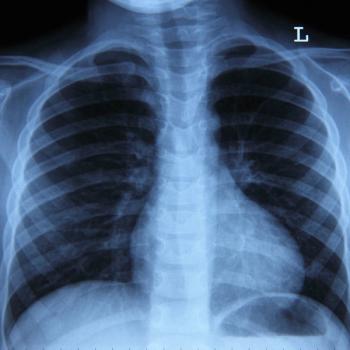
Zongertinib elicited meaningful results in previously treated patients with HER2-mutated, advanced non–small cell lung cancer.
Richard Winneker gathers input from patients and researchers to shape MPN research, aiming to fund strategic projects for this population.

Reflecting upon my relationship with Jill over the past 25 years, I am in awe of all she has accomplished.
HT-KIT, a novel targeted therapy for GIST, demonstrated the ability to reduce tumor burden in humanized mouse models and induce tumor cell death.
Verastem will launch a U.S. phase 1/2a trial of oral KRAS G12D inhibitor VS-7375 after FDA IND clearance, with data to be presented at ASCO 2025.

Dr. Curtiland Deville Jr. discusses the importance of crafting an individualized treatment plan for patients with prostate cancer.

Mikela Pettigrew, B.S.N., RN, OCN,, exemplifies extraordinary compassion and dedication. Every day, she fulfills a promise she made as a young caregiver.

Dr. Matthew Galsky highlights the impact of Imfinzi’s adjuvant approval for patients with muscle-invasive bladder cancer following cystectomy and chemotherapy.

Dr. Brian Czerniecki, of Moffitt Cancer Center, led a CURE Educated Patient® Updates in Metastatic Breast Cancer event, and provided subsequent updates.

Unplugging from digital noise helped me find peace, clarity and room for growth during a season of emotional and mental renewal.

Decipher Prostate Metastatic Genomic Classifier is now available for patients with metastatic prostate cancer.
In advanced head and neck squamous cell carcinoma, evorpacept and Keytruda didn’t meet the primary endpoints of the ASPEN-03 and ASPEN trials.
Among patients with oncogene-driven advanced NSCLC who were treated with TKIs, ctDNA clearance was associated with improved survival end points.

Kathleen Coughlin, although small in stature, is often referred to as the “Bulldozer.”