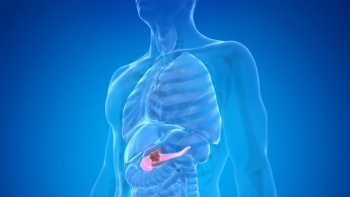
On World Pancreatic Cancer Day, here are five numbers from the American Cancer Society's 2026 report that people with pancreatic cancer and their families should understand, and what those numbers can and cannot say about one person's outlook.
Treatment for stomach cancer depends mostly on its stage and, for advanced disease, on biomarkers such as HER2. This Stomach Cancer Awareness Month explainer walks through the main options at each stage, based on National Cancer Institute guidance.
Vicki McGrath, a Bay Area Cancer Connections board member, talks about fatigue, fear of movement and the role of peer support in post-surgery exercise.
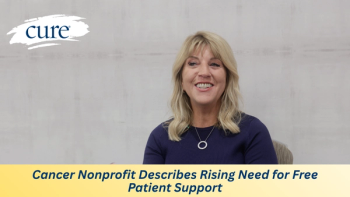
At its 23rd annual conference, Bay Area Cancer Connections described how donations and volunteers fund services for people facing cancer’s medical, financial and practical costs.
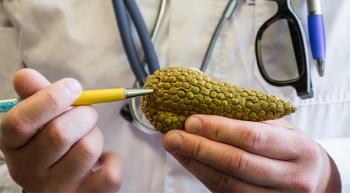
Rasonque (daraxonrasib), the first approved drug to directly target RAS in pancreatic cancer, nearly doubled survival in a key trial. Two patients, a caregiver and the professionals who care for people like them explain what it means to live with the disease.
Colleen Carvalho, chief mission officer at Bay Area Cancer Connections, explains the emotional and practical needs that often go unaddressed after a diagnosis.
Claudine Joseph, board president of Bay Area Cancer Connections, shares her mother’s breast cancer experience and why peer support matters for all patients.
Hot flashes are common during and after breast and prostate cancer treatment. Here is how hormone treatments compare with the nonhormonal medicines, therapies and comfort steps that national guidelines list, and why the right choice depends on your cancer.