





The first patient has been enrolled in a clinical trial evaluating a reduced dose of post-transplant immunosuppressive chemotherapy cyclophosphamide for patients with blood cancers.

The first patient has been enrolled in a clinical trial evaluating a reduced dose of post-transplant immunosuppressive chemotherapy cyclophosphamide for patients with blood cancers.

Orca-T outperformed post-transplant cyclophosphamide when it came to relapse-free survival and overall survival in patients with blood cancer who underwent a stem cell transplantation from a matched unrelated donor.
Patients who were obese tended to have an increased risk of moderate to severe GVHD after undergoing allogeneic hematopoietic cell transplantation, research showed.
Jakafi plus Rezurock showed promise in treating graft-versus-host disease in patients who underwent undergone allogeneic hematopoietic cell transplantation.
Treatment with rusfertide led to a decrease in the need for blood draws and decreased levels of red blood cells in patients with polycythemia vera.
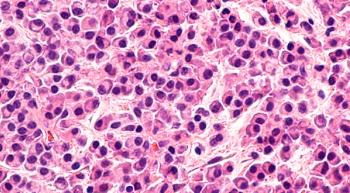
Most patients with relapsed or refractory multiple myeloma responded to treatment with the CAR-T cell therapy, Carvykti, according to a small study.

A cancer survivor described the agony of making a life-or-death decision.

Findings from the ASCERTAIN trial support the use of oral Inqovi for adults with intermediate- and high-risk myelodysplastic syndromes (MDS) such as chronic myelomonocytic leukemia (CMML).

Financial burdens from medical costs negatively affect quality of life in patients who have received stem cell transplants, recent research showed.

Last week, the FDA provided updates on two cancer therapies. In this episode, we discuss those decisions and more.
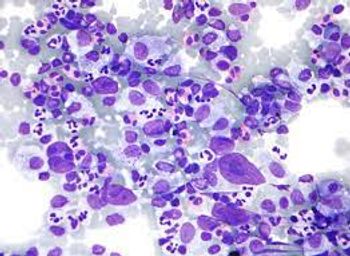
A small study of iopofosine I 131 in patients with pretreated Waldenstrom’s macroglobulinemia showed that the disease control rate was 100%.

For Maggie Cambora, who received a diagnosis of acute myeloid leukemia in 2020, the third potential donor match was the connection that saved her life, she told CURE®.
The FDA has allowed the manufacturer of emavusertib to continue a phase 1/2 study investigating effects of the treatment in patients with lymphoma.

Treatment with the novel CAR-T cell therapy was associated with favorable efficacy and safety results in a group of patients with follicular lymphoma, including a few with Waldenstrom macroglobulinemia, according to findings from a study presented at a recent medical conference.

Brukinsa, which was approved in September 2021, resulted in better ouctomes for certain patients with with Waldenström macroglobulinemia, according to the ASPEN clinical trial.

The trial of CLR 131 (iopofosine) for relapsed/refractory Waldenstrom’s macroglobulinemia will continue, as the drug will be studied in an estimated 50 patients.

New findings show that 43% of patients with certain blood cancers produced COVID-19 antibodies after receiving a third full dose of the mRNA vaccine.

From the story of HGTV’s “Love it or List it” co-host Hilary Farr’s cancer journey to “Pistol Annies” singer Ashley Monroe ringing the bell after finishing cancer treatment, here’s what’s happening in the cancer landscape this week.

Without a huge difference in efficacy between many of the available treatments for Waldenstrom’s macroglobulinemia, one expert says patients and their clinicians should look to other factors when deciding which regimen is best.

The FDA approval of Brukinsa represents another treatment option with fewer side effects in patients with Waldenstrom's macroglobulinema, however it will not serve as a replacement for other therapies.

The FDA approval of Brukinsa, according to an expert from the Dana-Farber Cancer Institute, provides an important new option for targeted therapy in Waldenstrom’s macroglobulinemia.

In this episode of the “CURE Talks Cancer” podcast, we spoke with Dr. Asher Chanan-Khan about current standards of care for Waldenstrom macroglobulinemia, as well as a clinical trial looking at a novel therapy.
The benefit observed in patients with Waldenstrom’s macroglobulinemia treated with Imbruvica (ibrutinib) plus Rituxan (rituximab), compared with placebo and Rituxan, focused on survival and response to the treatment, both of which occurred despite prior treatment and genotypes.

The FDA has granted a priority review to a supplemental new drug application (sNDA) Imbruvica (ibrutinib) for use in combination with Rituxan (rituximab) as a treatment option across all lines of therapy for patients with Waldenström macroglobulinemia.