
Long-term data from the phase 3 EF-14 study showed that Optune plus temozolomide had a survival benefit compared to temozolomide alone.
Long-term data from the phase 3 EF-14 study showed that Optune plus temozolomide had a survival benefit compared to temozolomide alone.
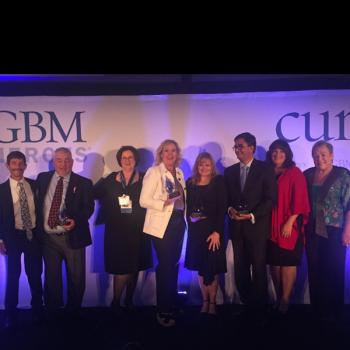
People from around the country, including actress and 16-year cancer survivor Fran Drescher , came to CURE's GBM Heroes event, honoring those who made an impact in the world of glioblastoma multiforme.

A promising treatment option is on the horizon for some patients with glioblastoma multiforme (GBM), says Martin van den Bent, M.D., Ph.D.

It can be hard to name our fears, especially when we are worried that others don't share them or that they will make us feel like a part of our community. In sharing, we can name stressors, activate healing from those stressors and give our bodies a chance to cope with all that has happened to us.

Tumor-treating fields are having a huge impact on the treatment and outcomes of patients with glioblastoma multiforme (GBM).

Rimas Lukas discusses the evolving field of glioblastoma multiforme (GBM) treatment.

A recent study showed that caregivers of patients with high-grade gliomas experience a great amount of time burden, even in the earlier stages of diagnosis.
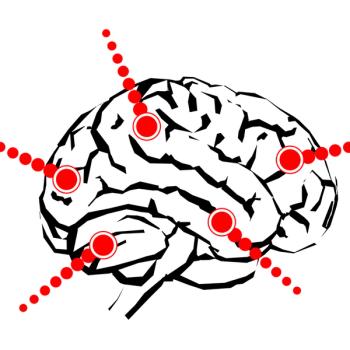
A computer simulation tool may help plan treatment for certain patients with recurrent glioblastoma.
Recovery is an up-and-down process, and it's okay to show yourself compassion through the ups and the downs.
Mark G. Malkin, M.D., professor of Neurology at the Virginia Commonwealth University, discusses the possibility of using viruses to treat glioblastoma.

A diagnosis of high grade glioma can bring about a number of symptoms, but a recent study found that yoga may be able to improve quality of life for this subset of brain cancer patients and their caregivers.
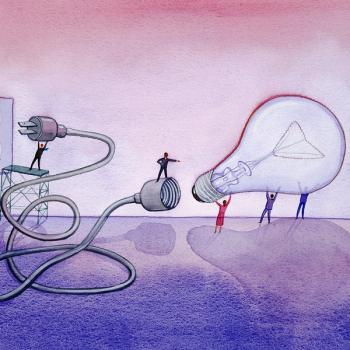
More advances, such as personalized approaches, still need to be made in treating glioblastoma, says Jennifer Moliterno Gunel, a brain surgeon from Yale.
While treatment advances have led to more survivors of medulloblastoma, the most common form of pediatric brain cancer, therapeutic approaches with fewer long-term effects are still needed.
CURE spoke with David Reardon about immunotherapy and the future of treating brain cancer.

Being insured by Medicaid may affect the prognosis of a patient with GBM, according to a recent study.
Greg continues his treatment journey for GBM.
By funding research and connecting patients with researchers, doctors and clinical trials, End Brain Cancer is hoping that more people will survive the disease.
The NCCN recently designated Optune, which has been shown to slow and reverse tumor growth, a category 2A recommendation for some patients with GBM.

The FDA has approved a lighter and more convenient version of the tumor-treating field device Optune for patients with glioblastoma multiforme.

CURE spoke with Liz Salmi on connecting people with brain tumors via social media.
Greg Cantwell, founder of Greg’s Mission, discusses the importance of having hope after getting a glioblastoma multiforme (GBM) diagnosis.

Temozolomide may have survival benefits for certain patients with brain cancer, according to a recent study.

Avastin plus a novel antiangiogenic gene therapy resulted in significantly better overall survival for patients with recurrent glioblastoma multiforme.
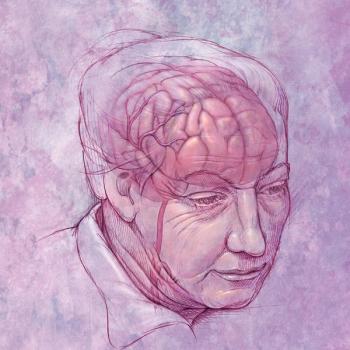
Opdivo showed a higher-than-average OS rate and presented no grade 3/4 adverse events in patients with recurrent glioblastoma multiforme, according to a recent study.
A recent study showed that adding chemotherapy to radiotherapy after surgery for glioblastoma resulted in improved survival for elderly patients.