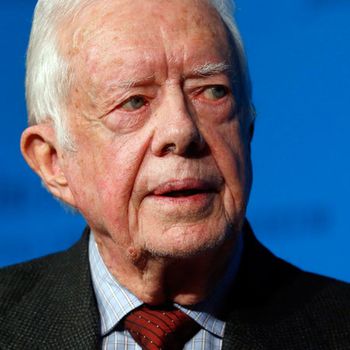
Former U.S. president Jimmy Carter provided an update on his health today in a press conference, announcing that he has melanoma.
Former U.S. president Jimmy Carter provided an update on his health today in a press conference, announcing that he has melanoma.
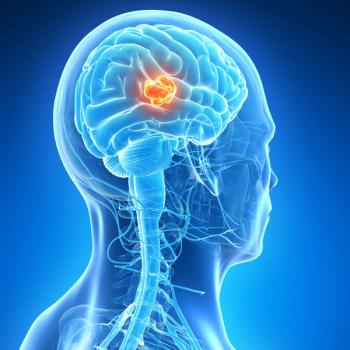
Low-grade gliomas may be classified into three distinct prognostic categories based on genomic data.
Heidi Gottlieb, a brain tumor survivor and the director and founder of Brain Matters, gives advice to other patients and survivors.
Adjuvant whole brain radiation therapy (WBRT) dramatically increases the incidence of cognitive decline without survival benefit in patients with small brain metastases from other tumor types.

Illness is a solitary endeavor, but you still need people to ground you and give you strength as you move through it and face tests, treatments and recovery.
Continuing Avastin (bevacizumab) in patients with recurrent glioblastoma after progression of the disease does not improve patient outcomes, according to results from the phase 2 CABARET trial.
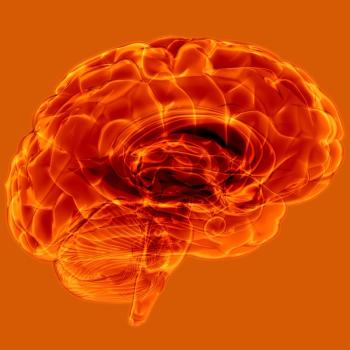
An analysis of three interrelated biomarkers in high-risk low-grade glioma (LGG) has identified distinct risk groups by isocitrate dehydrogenase (IDH) mutation status and suggested appropriate treatment strategies.
Kristen Harris discusses her friendship with Emily Caldwell Morrison, who died of brain cancer in March 2014.
It's easy to miss the life you had before you were sick, it's also easy to miss the life you dreamed of having, especially as that dream gets further and further away. So you build new dreams, dreams based in acceptance of your body, your heart and your mind.
Today, regardless of diagnosis, you are a survivor.
Sometimes healing is less about what you do, but who you do it with. And remembering that even when you are sitting by yourself, it doesn't mean you are alone.
Adding the immunotherapeutic vaccine Rintega (rindopepimut) to Avastin (bevacizumab) may help boost survival in patients with a genetic subtype of glioblastoma associated with poor outcomes.
Dellann Elliott Mydland, from the Chris Elliott Fund, discusses testing brain tumor tissue before surgery.
When you're told you're sick, you're also told that you're an insta-inspiration, and your will to fight is somehow supposed to grow as your suffering does. Being sick doesn't always make sense.
Cancer patients need more than any necessary conventional cancer treatments. Solutions come from integrative cancer care for the whole person.
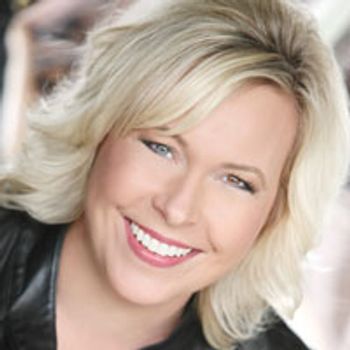
Aug. 27, 2000, started as an ordinary day for Dellann Elliott Mydland. She and her husband Chris Elliott and their two children, then 5 and 8 years old, had just finished up a weekend at their cabin and were preparing to relax by the grill at home.
2015 started off with a bang, with a focus on brain cancer patients and new treatment options for recurrent glioblastoma (rGBM).
We spend so much time making it look like we've got it all covered, when in reality, things are unraveling just below the surface. Maybe that's OK.
It's one thing to know you have to get a certain treatment, it's another thing entirely to wait for it to come.
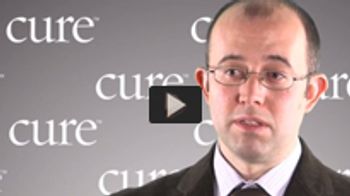
James Battiste, an oncologist with Stephenson Cancer Center in Oklahoma City, Okla., says patients with glioblastoma will likely have a lot of questions about the diagnosis.
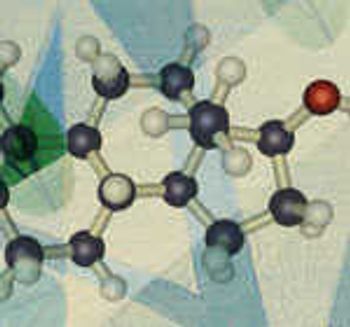
Rintega (rindopepimut) has gained a Breakthrough Therapy Designation from the FDA to treat adult patients with glioblastoma multiforme (GBM) that test positive for the EGFR variant (EGFRvIII).

Lauren Hill, a college basketball player diagnosed with a rare childhood brain tumor, brought attention to the disease and raised more than $1 million for DIPG research. Hill passed away on April 10.

When caring for someone who has undergone brain surgery, practice patience and ask for support.
NORD was founded in 1983 by parents of children with rare diseases. Over the past 30 years, it has become a powerful advocacy voice for all patients with rare diseases, including cancer.
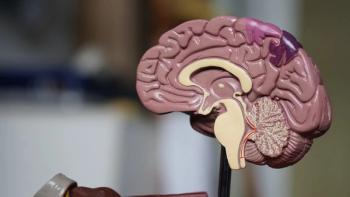
Patients who undergo surgery for brain cancer may need to be patient during recovery.