


When caring for someone who has undergone brain surgery, practice patience and ask for support.
When caring for someone who has undergone brain surgery, practice patience and ask for support.

NORD was founded in 1983 by parents of children with rare diseases. Over the past 30 years, it has become a powerful advocacy voice for all patients with rare diseases, including cancer.
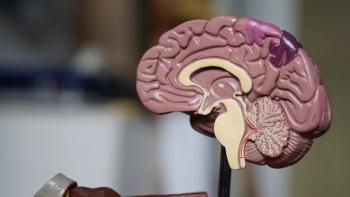
Patients who undergo surgery for brain cancer may need to be patient during recovery.

Investigational vaccine appears to help progression-free survival and overall survival in patients with a type of glioblastoma.

Immunotherapy is coming of age not only in general oncology, but also in neuro-oncology.

Advances in immunotherapy are showing progress in treating brain cancer, especially glioblastoma.

Brain cancer researchers and advocates join resources to help tackle this rare and aggressive malignancy.
In the right cancer, radiation and chemotherapy can make a powerful duo.
Patients and families face difficult decisions when the prognosis is poor, but communication and an action plan may help.
Research into vaccine therapy for cancer is extending to many cancer types.
Patients with anaplastic oligodendroglial tumors harboring certain chromosomal deletions have a reduced risk of dying after receiving radiation and chemotherapy.

Depending on the size, location and type of brain tumor, exercise can be difficult for patients, but new research shows it may impact survival. Here are a few tips to get moving.
Newer targets found on cancer cells are providing scientists the ammunition to better treat cancer.
New drug therapies aid in the treatment of prostate cancer, glioblastoma, and renal cell carcinoma.
New technology and smart drugs take a direct approach to targeting brain tumors.
Brain tumors can cause a variety of mental, emotional, and physical side effects.
Brain tumors can cause personality changes, which can distress caregivers and frustrate patients.
A brain tumor shifts a psychologist’s focus to helping survivors thrive.
In addition to treatment-related risks, some survivors discover they have a genetic syndrome that may lead to a second cancer.