
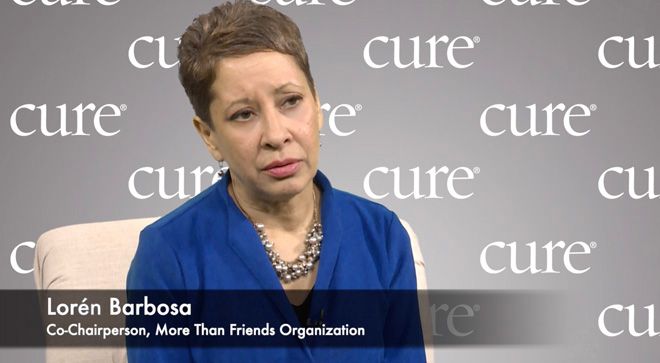

A breast cancer survivor remembers an inconvenient Mother’s Day phone call as he celebrates five years of being cancer-free.
A breast cancer survivor remembers an inconvenient Mother’s Day phone call as he celebrates five years of being cancer-free.
Breast cancer survivors may find symptom relief through at-home acupressure, according to study findings.
In this episode of CURE® Talks Cancer, we spoke with an advocate who is raising awareness around the recent controversy surrounding a certain type of breast implant that is causing a rare type of lymphoma.
More Than Friends chairperson Elise Bourne-Busby talked about her breast cancer journey and the inspiration for the Latino/Caribbean/American initiative that is dedicated to servicing cancer survivors.
At 42,000 US deaths a year, the push to call metastatic breast cancer "chronic" is premature.

The FDA approved Kadcyla for adjuvant treatment of patients with HER2-positive early breast cancer who have residual invasive disease after neoadjuvant taxane and Herceptin-based treatment.

Here are the top 5 CURE stories for April 2019.

Researchers examined the prevalence of chronic opioid use among survivors of breast, colorectal and lung cancer.
I didn't see how alone I was with cancer until I found purpose and friendships with advocacy.
Barbara Bittner, RN, OCN, a finalist for the CURE® Extraordinary Healer® Award for Oncology Nursing, talked about her advocacy work with Charlene’s Dream – a community-based cancer resource center for women.
I'm often asked how things are going with my male breast cancer diagnosis. What's the right answer?
Susan G. Komen Greater NYC to honor exceptional and inspiring individuals and organizations at its annual Impact Awards May 22, 2019 Cipriani 42nd Street.

Menopausal women who take hormonal therapy after surgery for breast cancer may be prone to long-term “chemo brain” – potentially benefitting from cognitive therapy or other interventions.
How a single phone call can change cancer outcomes and improve patient lives.
Entertainment journalist and breast cancer survivor Giuliana Rancic shared her cancer journey before she presented at the 2019 Extraordinary Healer Award for Oncology Nursing.

Although Minority Health Awareness Month is drawing to an end, the fight for equity in healthcare isn’t over.
In this week’s episode, we spoke with entertainment journalist Giuliana Rancic, who discussed her breast cancer journey and how, at the end of the day, she continued to tell herself, “This, too, shall pass.”
An interview with Barbara Bittner, RN, OCN, CURE® Extraordinary Healer® Award finalist.
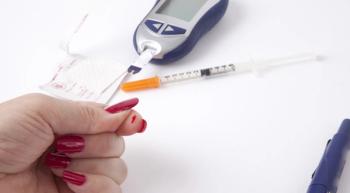
Diabetes may be a risk factor for increased symptoms among breast cancer survivors, particularly for physical and cognitive function, sleep and fatigue.
I probe the scars of cancer treatment and realize they are my salvation.
The nomination essay for CURE® Extraordinary Healer Award for Oncology Nursing finalist, Barbara Bittner, RN, OCN. Written by Dianne Rohald, AdventHealth Cancer Institute and Charlene’s Dream.
A breast cancer survivor who was on the fence about nipple reconstruction after her double mastectomy is glad she proceeded.
Surviving cancer is hard enough, but what about the rare and unusual versions?
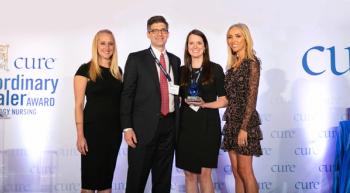
In essays by patients and colleagues, three nurses were honored for their generosity and life-changing compassion.
The FDA has expanded the approval of Ibrance (palbociclib) capsules in combination with endocrine therapy for male patients with hormone receptor (HR)–positive, HER2-negative advanced or metastatic breast cancer.