




Lung Cancer
Latest News
Advertisement
Latest Videos



Advertisement
More News

Watch Dr. Hossein Borghaei, Dr. Jessica R. Bauman and Dr. Devika Das answer questions about supportive care during the CURE Educated Patient Lung Cancer Summit.
Watch Dr. Devika Das, from University of Alabama at Birmingham Medicine, discuss the benefits of telemedicine in cancer care during the CURE® Educated Patient® Lung Cancer Summit.
A man with lung cancer shares how learning about his EGFR exon 20 insertion mutation soon after being diagnosed has allowed him to be aggressive when pursuing a cancer treatment tailored to his rare mutation.
Watch Dr. Jessica R. Bauman, from Fox Chase Cancer Center, discuss palliative care during the CURE Educated Patient Lung Cancer Summit.
A clinical trial recently kicked off to study the effects of combining the novel drug BBP-398 plus Lumakras in patients with lung cancer that harbors a KRAS G12 mutation.

Watch Dr. Hossein Borghaei, Dr. David Gerber, Dr. Aaron S. Mansfield and Dana M. Haagen answer questions on the management of advanced/metastatic disease during the CURE Educated Patient Lung Cancer Summit.
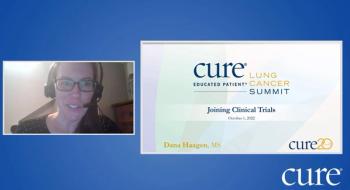
Watch Dana Haagen, from Fox Chase Cancer Center, discuss clinical trials and how patients can join them, during the CURE® Educated Patient® Lung Cancer Summit.
An expert offers insight into the major treatment improvements over the past 20 years for early-stage and late-stage lung cancer.
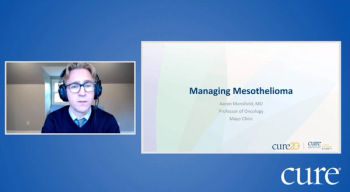
Watch Dr. Aaron S. Mansfield, from Mayo Clinic, discuss the management of mesothelioma during the CURE Educated Patient Lung Cancer Summit.
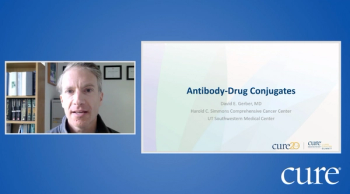
Watch Dr. David Gerber, from UT Southwestern Medical Center, discuss antibody drug conjugates during the CURE Educated Patient Lung Cancer Summit.

Watch Dr. Hossein Borghaei, Dr. Jared Weiss and Dr. Anne Chiang answer questions about early disease management during the CURE Educated Patient Lung Cancer Summit.
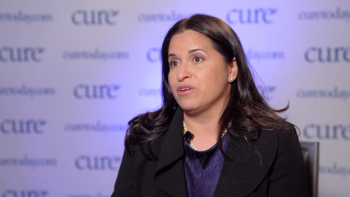
Patients with lung cancer must be educated about their disease in their native language to become better advocates for themselves, an expert explained.

I sent all my cancer scans to my pediatrician, who combined the power of science with the power of belief and helped me through the difficult time.

From Kevin Durant’s sneaker that is raising money for cancer to Khloe Kardashian’s urging people to check for moles and melanoma, here’s what’s happening in the cancer space this week.
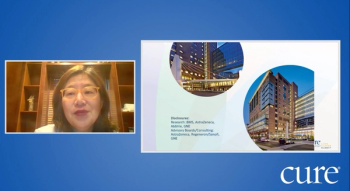
Watch Dr. Anne Chiang, from Yale School of Medicine, discuss molecular testing and adjuvant targeted therapies during the CURE Educated Patient Lung Cancer Summit.

Watch Dr. Jared Weiss, from UNC School of Medicine, discuss neoadjuvant versus adjuvant therapy during the CURE Educated Patient Lung Cancer Summit.

I went from being an avid runner to running from information about my lung cancer. But now I embrace my diagnosis and am an active participant in my care.
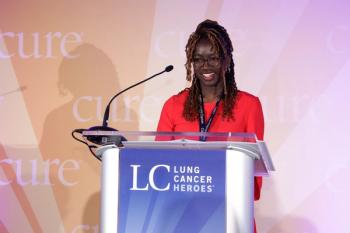
An oncology nurse and cancer survivor inspired another person with lung cancer to “continue the fight to live.”
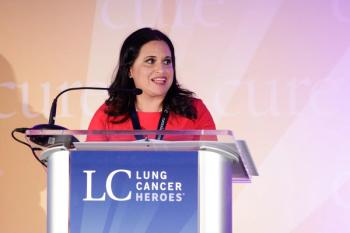
Dr. Estelamari Rodriguez serves patients with lung cancer in more than just a clinical capacity, her Lung Cancer Hero® nominator wrote.
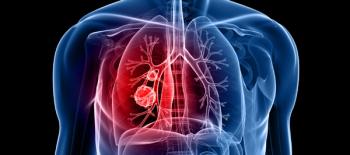
The use of a multi-agent chemotherapy regimen resulted in improved outcomes in a group of children with pleuropulmonary blastoma, a rare form of lung cancer, when compared with other regimens.
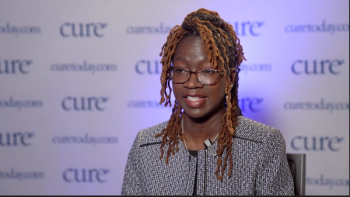
A breast cancer research nurse and lung cancer survivor stresses the importance of participating in clinical trials that are investigating the latest treatments.

Treatment with an investigational drug elicited a median progression-free survival (time from treatment until disease progression or death) of 8.9 months among patients with a form of unresectable or metastatic squamous non-small cell lung cancer, according to trial findings.

I grew up in a society where mental health was stigmatized, but cancer made me realize that it helps to speak up about these issues.
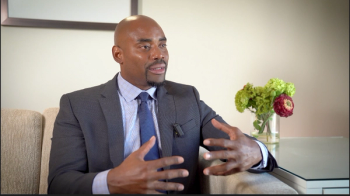
Lung cancer advocates and clinicians must ”fight” for every patient with the disease and ensure that the most amount of people can benefit from advancements in the field, according to an advocate.
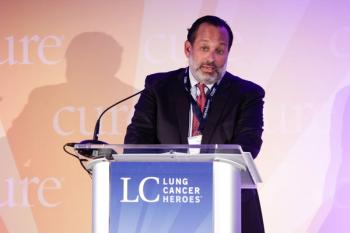
Dr. Pierre de Delva works tirelessly to bring better outcomes to patients with lung cancer who live in Mississippi — a state that traditionally has poor lung cancer outcomes.
Advertisement
Advertisement
Trending on CURE
1
FDA Approves Jemperli for dMMR Locally Advanced Rectal Cancer
2
Gemcitabine Plus BCG Clears Bladder Cancer in 96% of Patients After BCG Failure
3
New Myelofibrosis Guidelines Back Wider Gene Testing at Diagnosis
4
FDA Clears AI Tool Using MRI to Gauge Breast Cancer Recurrence
5