

Opinion|Videos|March 24, 2025
Balancing Efficacy and Quality of Life in Late-Line RRMM
Author(s)Saad Usmani, MD, Amrita Krishnan, MD
Panelists discuss how balancing treatment effectiveness with quality of life in late-line multiple myeloma therapy requires a highly personalized approach, with patients and physicians collaboratively weighing factors such as potential for deeper or longer remissions against toxicity profiles, treatment logistics (inpatient vs. outpatient administration), impact on daily activities, financial toxicity, caregiver burden and individual patient goals, with many emphasizing that this calculus shifts as patients progress through treatment lines—often prioritizing aggressive approaches earlier while placing greater emphasis on maintaining functionality and meaningful life experiences in later treatment stages.
Advertisement
Video content above is prompted by the following:
- How do you balance treatment effectiveness with quality of life considerations in late-line therapy?
Advertisement
Related to this article
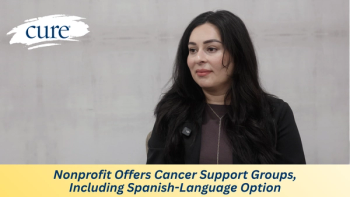
Sonia E. Sifuentes,director of programs at Bay Area Cancer Connections, discusses the organization's helpline, support groups, pro bono therapy and services for people with ovarian cancer.
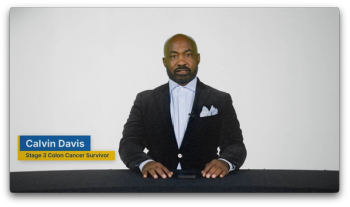
Calvin Davis, a former boxer and stage 3 colon cancer survivor, answers common questions about chemotherapy, neuropathy, mental health and support.

The FDA approved Wilserdly (giredestrant) on Nov. 23, 2026, as a daily hormone pill after surgery for some people with ER-positive, HER2-negative early breast cancer. Here are answers to the questions patients are asking about who it is for, how well it worked and what side effects to expect.
A breast cancer survivor and yoga teacher shares how oncology yoga supported her healing and why free classes can help people with cancer and caregivers.
Six years after her follicular lymphoma diagnosis, a survivor reflects on what cancer changed in her life, from retiring early to living with uncertainty.
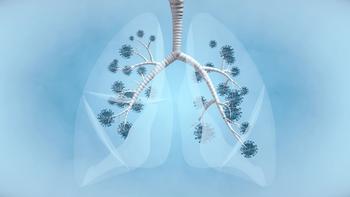
For ALK-positive lung cancer, five-year CROWN trial results show 60% of people taking Lorbrena first were alive without cancer growth, versus 8% on an older drug. Here is who can take it, how it is dosed and how side effects such as high cholesterol and mood changes are managed.
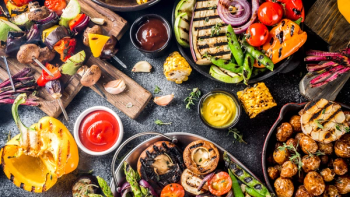
Cancer treatment can change appetite, taste and how food sits, but practical steps backed by the National Cancer Institute, the American Cancer Society and ASCO can help people get the protein and calories they need, safely.
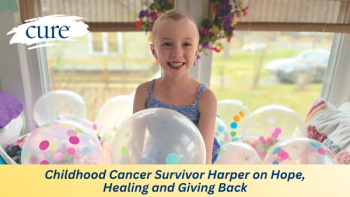
Diagnosed with leukemia at 8 during the COVID-19 pandemic, Harper looks back on the people, pets and purpose that got her through treatment.
Advertisement
Advertisement
Trending on CURE
1
FDA Approves Wilserdly to Lower Recurrence Risk in Early Breast Cancer
2
Oncology Yoga as a Healing Modality After Breast Cancer
3
Am I Different After Cancer? Living With Follicular Lymphoma
4
A Psycho-Oncologist Explains How to Address Sexual Health After Cancer
5