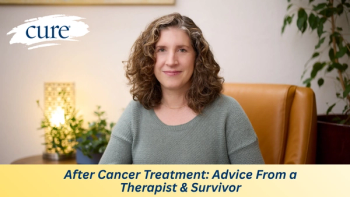
Psychotherapist and two-time breast cancer survivor Ann Rivello explains why the end of treatment can feel isolating, and how support groups, a point person and breaks from cancer can help.

Sonia E. Sifuentes,director of programs at Bay Area Cancer Connections, discusses the organization's helpline, support groups, pro bono therapy and services for people with ovarian cancer.
When someone is first diagnosed with cancer, one of the most helpful things they can have is someone who will listen, said Sonia E. Sifuentes, director of programs at Bay Area Cancer Connections (BACC).
BACC’s helpline gives callers space to talk about what they’re going through without having to explain or justify how they feel. A program navigator can then help them sort through more than 30 services and decide what feels manageable at the time.
Two services are popular among people who are newly diagnosed. A weekly online support group brings together people who have recently received a diagnosis and those already in treatment. BACC also offers two free sessions with licensed California therapists to help clients process the diagnosis and find ways to cope.
The organization recently launched Mujeres Unidas, a support group for Spanish-speaking clients at any stage of their cancer experience. Sifuentes said it can help to talk with people who speak your language, understand your cultural background and know firsthand what it’s like to go through cancer.
The connection the program provides can be meaningful for people with ovarian cancer, Sifuentes said. Many are diagnosed at a later stage and may have never met someone else with the same diagnosis.
Sifuentes joined BACC as a program associate in 2015, shortly after graduating from college. She enjoyed working directly with clients and, after earning her master’s degree in public health, returned in 2023 to lead the organization’s programs. BACC also offers survivorship programs for people who have finished active treatment or are living with cancer. Sifuentes said the organization adjusts those services as clients’ needs change.
For people who have just received a diagnosis, Sifuentes said, “They don’t have to walk through this alone.”
For more news on cancer updates, research and education,