News|Articles|January 18, 2026

Chronic Myeloid Leukemia: From Diagnosis to Ongoing Management

Author(s)Ryan Scott
Fact checked by: Spencer Feldman

Key Takeaways

  • CML is marked by the Philadelphia Chromosome and BCR-ABL1 gene, causing excessive white blood cell production.
  • Diagnosis includes bone marrow biopsy, cytogenetics, and qPCR to monitor the BCR-ABL1 gene.
SHOW MORE

A chronic myeloid leukemia diagnosis can be daunting, but its management is one of modern oncology’s greatest success stories.

Receiving a diagnosis of Chronic Myeloid Leukemia (CML) can be frightening, but it is important to understand that the management of this disease is one of the greatest success stories in modern oncology. Most patients diagnosed today in the "Chronic Phase" (Stage 1) can expect to have a near-normal life expectancy with consistent treatment.

The following guide is designed to help you understand the biology of your diagnosis and the long-term management plan you will discuss with your hematologist-oncologist.

1. Overview of Stage 1 (Chronic Phase) CML

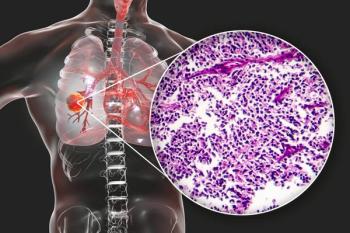
CML is a type of cancer that starts in the blood-forming cells of the bone marrow. It is characterized by a specific genetic abnormality known as the Philadelphia Chromosome.

  1. The BCR-ABL1 Gene: In CML, two chromosomes (9 and 22) swap sections, creating a new gene called BCR-ABL1. This gene acts like a "broken light switch" that is stuck in the "on" position, telling your body to overproduce white blood cells.
  2. Defining the Chronic Phase: This is the earliest stage of CML. At this point, the blood and bone marrow contain fewer than 10% "blasts" (immature leukemia cells). Most patients are asymptomatic or have mild symptoms like fatigue or a feeling of fullness in the abdomen.

2. Diagnosis and Monitoring of Stage 1 CML

Diagnosis involves confirming the presence of the Philadelphia chromosome and establishing a "baseline" to measure your response to treatment.

  • Bone Marrow Aspiration and Biopsy: A sample of marrow is taken to look at the cells and confirm the percentage of blasts.
  • Cytogenetics (Karyotyping): This test looks at your chromosomes under a microscope to find the Philadelphia chromosome.
  • qPCR (Quantitative Polymerase Chain Reaction): This is the most sensitive test. It measures the amount of the BCR-ABL1 gene in your blood. This number will be your primary metric for success—the goal is to get this number as close to zero as possible (termed a "Major Molecular Response").

3. Treatment Options for Stage 1 CML

Unlike many other cancers, Stage 1 CML is rarely treated with traditional intravenous chemotherapy or surgery. Instead, it is managed with highly targeted oral medications.

Tyrosine Kinase Inhibitors (TKIs) are daily pills that specifically block the protein made by the BCR-ABL1 gene.

  • First-Generation: Imatinib (Gleevec).
  • Second/Third-Generation: Nilotinib (Tasigna), Dasatinib (Sprycel), Bosutinib (Bosulif), or Ponatinib (Iclusig). These are often used if the first-generation drug isn't tolerated or if the leukemia has specific mutations.

Treatment Goals

  • Hematologic Response: Your blood counts return to normal levels.
  • Cytogenetic Response: The Philadelphia chromosome is no longer detectable in the marrow.
  • Molecular Response: The BCR-ABL1 gene reaches extremely low levels in the blood.

In an exclusive interview with Dr. Jorge E. Cortes, director for the Georgia Cancer Center and Cecil F. Whitaker Jr., GRA Eminent Scholar Chair in Cancer, he emphasized the importance of quality of life to CURE.

In the interview, he said: “We need to make sure that from the very start of treatment, we understand the goals the patient has… More and more patients are not only interested in living more but living better.”

4. Potential Side Effects of Stage 1 CML Treatment

Although tyrosine kinase inhibitors (TKIs) are targeted therapies, they may still cause side effects as the body adjusts to treatment. These effects are generally manageable and often lessen over time with appropriate supportive care. Commonly reported side effects and management strategies include the following:

  • Fluid retention: Swelling around the eyes or ankles may occur and can often be managed by limiting salt intake; in some cases, mild diuretics may be recommended by a clinician.
  • Gastrointestinal symptoms: Nausea, diarrhea, or indigestion may develop, and taking the medication with a large meal or at bedtime can help reduce discomfort.
  • Musculoskeletal effects: Muscle cramps or bone pain may arise and can sometimes be alleviated with calcium or magnesium supplementation after consultation with a physician.
  • Fatigue: General tiredness or cognitive slowing, often described as “brain fog,” may be improved through gentle exercise and consistent sleep hygiene.

Open communication with the care team is essential to address symptoms early and maintain treatment adherence.

5. Understanding your Stage 1 CML

A diagnosis of Chronic Phase CML is now considered a manageable chronic condition for the vast majority of patients. The most critical factor in your success is adherence, taking your pill every single day as prescribed. Missing even a few doses can allow the leukemia cells to develop resistance to the medication.

“The main goal right now is to focus on the ultimate cure… We want to really aim for the final stroke, to get rid of the disease in any patient who is diagnosed with it,” Cortes emphasized to CURE.

Questions to Drive the Conversation with Your Oncologist:

  • "What is my baseline PCR percentage, and what is our target number for the 3-month mark?"
  • "Which TKI are you recommending as my first-line therapy, and why is it the best fit for my lifestyle?"
  • "What side effects should I expect in the first two weeks, and which ones require an immediate phone call to your office?"
  • "How often will I need blood draws to monitor my molecular response?"
  • "If I achieve a deep molecular response for several years, is 'Treatment-Free Remission' (stopping the drug) a possibility in the future?"

Reference

  1. "How Targeted Therapies Are Transforming Chronic Myeloid Leukemia Care," by Ryan Scott. CURE; Nov, 19, 2025. https://www.curetoday.com/view/how-targeted-therapies-are-transforming-chronic-myeloid-leukemia-care

Editor's note: This article is for informational purposes only and is not a substitute for professional medical advice, as your own experience will be unique. Use this article to guide discussions with your oncologist. Content was generated with AI, reviewed by a human editor, but not independently verified by a medical professional.

For more news on cancer updates, research and education, don’t forget to subscribe to CURE®’s newsletters here.

Newsletter

Stay up to date on cancer updates, research and education