Researchers are studying whether combining CAR-T cell therapy with targeted drugs could help children with high-risk leukemia, including infants whose cancer may be more likely to return after treatment.
For Blood Cancer Awareness Month, Dr. Guenther Koehne shares why immunotherapy is making this a promising time for people with blood cancers.
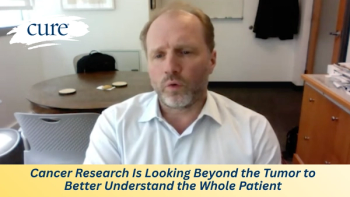
The outlook for people with blood cancers has changed dramatically in just a few years. For Blood Cancer Awareness Month, Dr. Guenther Koehne shared a hopeful message for people who are newly diagnosed, in active treatment or living as survivors. Dr. Koehne is deputy director and chief of blood and marrow transplant, hematologic oncology and benign hematology at Baptist Health Herbert Wertheim Cancer Institute in Miami.
"We are in a much better situation for diagnosing and treating hematologic malignancies today than just six or seven years ago," Dr. Koehne told CURE. He noted that there are now multiple lines of treatment for multiple myeloma, lymphoma, acute lymphoblastic leukemia and acute myeloid leukemia, options that did not exist five or six years ago.
"The best and most positive message I can share today is that the time of more chemotherapy is over," he said.
Dr. Koehne explained that some people will still receive chemotherapy as initial, or induction, treatment. After that, immunotherapy is becoming the standard for diseases such as acute lymphoblastic leukemia, lymphoma and multiple myeloma.
According to Dr. Koehne, researchers are now working to find the best order in which to give these immunotherapies. Down the road, they may also be given in combination. He pointed to iberdomide, which the FDA approved in August under the brand name Zenbexus for relapsed multiple myeloma. Iberdomide is an immune modulator, and pairing it with bispecific antibodies or CAR T-cell therapy may improve the results of those treatments even further.
"That's where the field is going, and these are very exciting and very promising times for people with hematologic malignancies," Dr. Koehne said.
For more news on cancer updates, research and education,