Patients with HPV-associated oropharyngeal cancer who received 23% less radiation reported fewer swallowing, voice and dry mouth problems six months after treatment.
Overview of diagnosis, stage-based treatments, side effects and follow-up to help patients with cancer understand care choices and expectations.
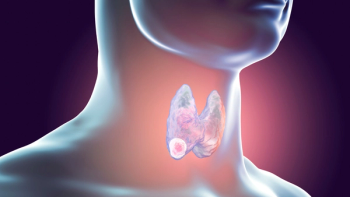
Oropharyngeal cancer develops in the oropharynx, the middle portion of the throat that includes the tonsils, base of the tongue, soft palate and back of the throat. Most cases are squamous cell carcinomas. Many are linked to human papillomavirus, or HPV, while others are associated with tobacco and alcohol use.
Patients with cancer in this area may notice a persistent sore throat, trouble swallowing, ear pain, voice changes or a lump in the neck. Because symptoms can overlap with common conditions, evaluation is important if changes last more than a few weeks. Treatment decisions are guided by stage, HPV status, overall health and personal goals and are often made with a multidisciplinary team that may include surgical, medical and radiation oncologists, along with speech, nutrition and dental specialists.
Diagnosis usually begins with a head and neck exam followed by imaging and tissue testing to confirm cancer.
Doctors may use endoscopy to look closely at the throat, a biopsy to examine cells under a microscope and CT, MRI or PET scans to determine the size of the tumor and whether lymph nodes or other areas are involved. Tumors are often tested for HPV because this information can influence prognosis and treatment planning.
Staging describes how far the cancer has spread and helps guide the recommended approach to care.
Stage 1 disease is considered early stage. The tumor is small and limited to the oropharynx, without spread to lymph nodes or distant sites. Treatment often focuses on a single therapy with the goal of cure while preserving speech and swallowing function.
Stage 2 cancers are still localized but may be larger or show limited nearby spread. Therapy may remain single-modality for some patients, though combined treatment is sometimes recommended to improve control.
Stage 3 disease is considered locally advanced. Cancer may involve nearby lymph nodes or surrounding tissues. At this stage, combination treatment is often used to reduce the risk of recurrence and improve long-term outcomes.
Metastatic or recurrent disease means cancer has spread beyond the head and neck or has returned after prior treatment. Care often shifts toward systemic therapy and symptom management, with the goal of controlling cancer and maintaining daily function.
Side effects vary depending on the type of therapy and the area treated. Radiation to the head and neck may cause mouth sores, dry mouth, changes in taste, difficulty swallowing, skin irritation and fatigue. Chemotherapy may lead to nausea, lowered blood counts or infection risk. Surgery may affect speech or swallowing depending on the structures involved.
Speech and swallowing therapy, nutrition support, dental care and medications can help manage many of these effects. Reporting symptoms early allows the care team to intervene quickly.
Follow-up visits are important after treatment ends. Patients are monitored with exams and imaging to watch for recurrence and manage long-term effects. Rehabilitation services may help restore strength, nutrition and communication. Emotional support and counseling can also be helpful during recovery.
Keeping a list of questions and discussing goals with your oncology team can make visits more productive and help you feel more confident about your care plan.
Oropharyngeal cancer treatment is highly individualized and depends on stage, tumor features and personal priorities. Understanding the disease and the available options can help patients with cancer take an active role in decisions and have informed conversations with their care team throughout the treatment journey.
Editor's note: This article is for informational purposes only and is not a substitute for professional medical advice, as your own experience will be unique. Use this article to guide discussions with your oncologist. Content was generated with AI and reviewed by a human editor.
For more news on cancer updates, research and education,