

Whole genome sequencing of blood and bone marrow from patients with acute myeloid leukemia and myelodysplastic syndrome has revealed previously unknown disease subtypes.
Whole genome sequencing of blood and bone marrow from patients with acute myeloid leukemia and myelodysplastic syndrome has revealed previously unknown disease subtypes.
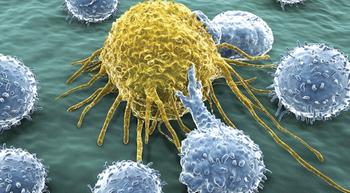
In a phase 3 clinical trial, Blincyto (blinatumomab), a type of immunotherapy, improved survival and showed fewer side effects in young patients.

Results presented at ASH 2019 suggest the combination therapy is superior to chemoimmunotherapy.

New findings show that the socioeconomic status of children with AML plays a significant and alarming roll in the rate of their overall survival after diagnosis.
Baseline laboratory values for AML clinical trials are setting unnecessary restrictions for kidney function that excludes African American patients with AML when this comorbidity does not impact overall survival.
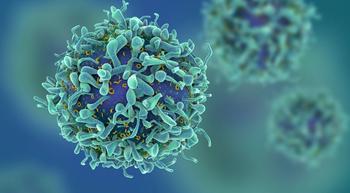
Some patients with non-Hodgkin lymphoma may soon have a treatment option that could offer complete remission, according to new data presented at the American Society of Hematology 2019 Annual Meeting.

A dual-targeted chimeric antigen receptor-T cell therapy showed a more than 90% overall response rate in patients with relapsed or refractory disease.
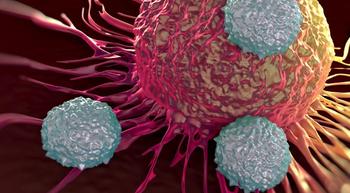
JNJ-4528 showed deep responses and proved to be safe in patients with multiple myeloma, according to CARTITUDE-1 study findings.