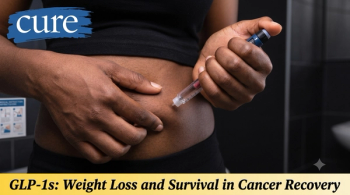
ASCO 2026 findings and patient stories show how GLP-1 drugs improve metabolic health and potentially transform breast cancer survivorship.

A nationally-published, award-winning journalist, Alex Biese joined the CURE team as an assistant managing editor in April 2023. Prior to that, Alex's work was published in outlets including the Chicago Sun-Times, MTV.com, USA TODAY and the Press of Atlantic City. Alex is a member of NLGJA: The Association of LGBTQ+ Journalists, and also performs at the Jersey Shore with the acoustic jam band Somewhat Relative.
ASCO 2026 findings and patient stories show how GLP-1 drugs improve metabolic health and potentially transform breast cancer survivorship.

Actress and author Michelle Monaghan shares her melanoma journey, the importance of early detection and her new book empowering kids to prioritize skin health.

Olympic gymnast Shannon Miller marks 15 years cancer-free, sharing how her platform Salto Health helps survivors bridge the gap in practical support.
Kassiane Saieed explains how genomic tools provide data to help patients personalize their breast cancer treatment and survivorship.

Study data shows Ibtrozi provides rapid symptom relief and stable brain health for patients with advanced ROS1-positive lung cancer.
Dr. Alexis LeVee and a resilient survivor explore the vital role of self-advocacy in breast cancer care across ages and medical guidelines.

Discover five breakthrough breast cancer studies disrupting oncology as global research teams unveil practice-changing data at ASCO 2026 in Chicago.

Learn about lentigo maligna melanoma, from initial diagnosis and staging to the latest surgical treatments, systemic therapies and side effects.
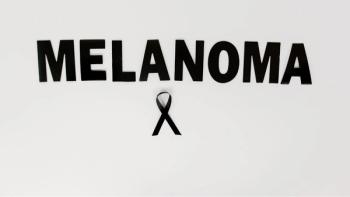
Learn about nodular melanoma symptoms, diagnosis and treatments like immunotherapy to prepare for important conversations with your oncologist.
Survivor Erica Deligne discusses "going flat," the power of internal beauty and how fashion helps patients reclaim their autonomy.
Breast cancer survivor Erica Deligne advocates for body autonomy and challenges the medical industry’s default toward breast reconstruction.
Dr. Erica Mayer of Dana-Farber highlights new data on chemotherapy-free HER2+ treatment, ctDNA monitoring and oral SERDs at ESMO Breast 2026.
The FDA approved Enhertu for presurgical HER2+ breast cancer treatment. Dr. Shanu Modi discusses the "win-win" for patient efficacy and safety.
Patients should be mindful of preserving muscle mass while receiving GLP-1 therapy during cancer treatment. Experts discuss body composition, sarcopenia and treatment durability in oncology care.
ctDNA liquid biopsies detect breast cancer at molecular levels to guide personalized therapy and monitor for recurrence or progression.
A USC study finds immunotherapy increases PAD risk by 60%. Experts advise vascular monitoring to help prevent limb loss in cancer survivors.
Experts urge caution with ctDNA testing in early-stage breast cancer, citing "molecular anxiety" and a lack of clear clinical data on survival outcomes.
MD Anderson’s trial uses psilocybin and psychotherapy to treat cancer-related anxiety, helping patients thrive through neuroplasticity.

Learn about superficial spreading melanoma, from the ABCDE diagnostic rules to the latest in immunotherapy, targeted care and surgical options.
Following the FDA approval of Veppanu for ESR1-mutant breast cancer, Dr. Komal Jhaveri explains this new therapy that destroys cancer receptors.

Learn about rare phyllodes tumors, from benign to malignant grades, including surgical options, recovery and key questions for your oncology team.
New AHN research shows high-intensity resistance training is safe and essential for breast cancer survivors to gain strength and functional mobility.
Dr. Nguyen shares how breast cancer patients in rural areas can overcome travel barriers and confidently discuss clinical trials with their doctors.
Learn why timing and muscle health are vital when using GLP-1 therapy for weight management during and after breast cancer treatment.

Learn about Paget disease of the breast, a rare cancer affecting the nipple. Explore symptoms, diagnostic steps and common treatment options.

Breast cancer survivor Anna Wassman-Cox discusses the Onco-Ballet Foundation and how dance provides healing and community for Stage IV patients.

Learn about breast angiosarcoma, a rare blood vessel cancer. Discover the signs of primary and secondary cases to help guide your oncology discussion.
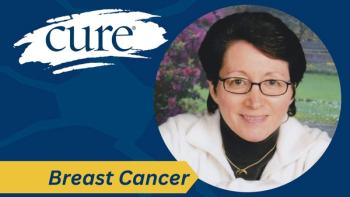
After an aggressive breast cancer diagnosis, psychologist Loraine Alderman retires to bridge gaps in patient literature through powerful advocacy.
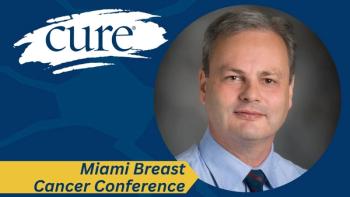
Dr. W. Fraser Symmans explains how ctDNA is replacing CTCs to monitor breast cancer, detect mutations and track minimal residual disease

Learn what an invasive breast cancer diagnosis means and explore treatment options, including surgery and targeted therapy, in this patient education guide.
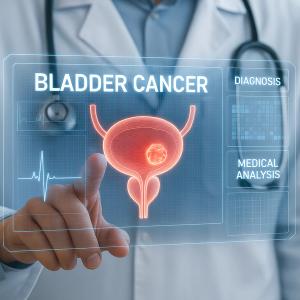
Published: August 22nd 2025 | Updated: January 15th 2026

Published: October 23rd 2025 | Updated: October 28th 2025
Published: October 13th 2025 | Updated: October 15th 2025

Published: April 12th 2025 | Updated: July 2nd 2025
Published: November 5th 2024 | Updated: May 19th 2025