

There are many reliable resources available to patients with kidney cancer, as well as their families and caregivers.
There are many reliable resources available to patients with kidney cancer, as well as their families and caregivers.

Follicular lymphoma survivor Troy Anderson credited acupuncture and nutrition guidance with easing treatment side effects and aided in remission.

Dr. Aaron Gerds explained when treatment with rusfertide will become accessible for patients with a myeloproliferative neoplasm like polycythemia vera.
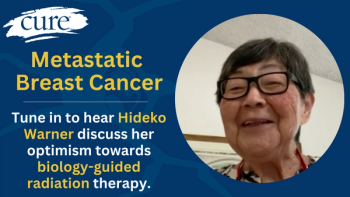
A nurse with metastatic breast cancer praised biology-guided radiation for her slow-growing squamous cell cancer and the team's thoughtful care.
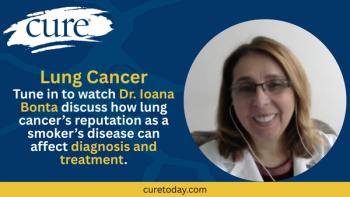
In an interview with CURE, medical oncologist Dr. Ioana Bonta explains why lung cancer is not just a ‘smoker’s disease.’
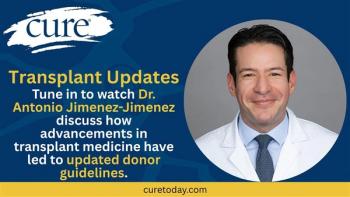
Advancements in transplant medicine for blood cancers have prompted updates in how doctors choose donors for allogeneic hematopoietic cell transplants.
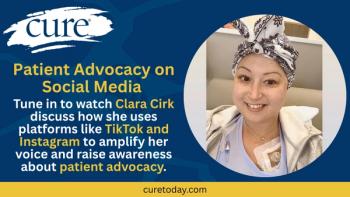
Clara Cirks is a stage 4 lung cancer patient who uses platforms like TikTok and Instagram to amplify her voice and raise awareness about patient advocacy

Dr. Wenxin (Vincent) Xu discussed the benefit of using biomarkers to more precisely guide treatment for patients with renal cell carcinoma.

CURE spoke with an expert about specific psychological concerns faced by cancer survivors.

Getting an expert opinion is essential after a rare cancer diagnosis like GIST, as each patient’s situation is unique, according to Dr. Weijing Sun.
In an interview with CURE, Clara Cirks shares the emotional weight of finishing chemo while facing ongoing immunotherapy and the uncertainty it brings.
LaShae D. Rolle discusses how maintaining physical activity during active breast cancer treatment may impact a patients mental and emotional well-being.
Existing autoimmune drugs may prevent or reverse a serious side effect faced by patients with cancer.
TAMs may help predict response to PD-1 inhibitors in metastatic clear cell kidney cancer, Dr. Berkay Simsek reported at the 2025 Kidney Cancer Summit.
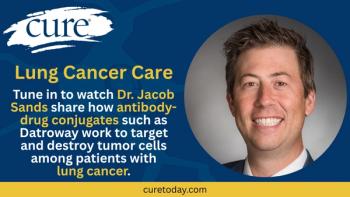
Dr. Jacob A. Sands shares how antibody-drug conjugates, such as Datroway, work to selectively target and destroy tumor cells among those with lung cancer.
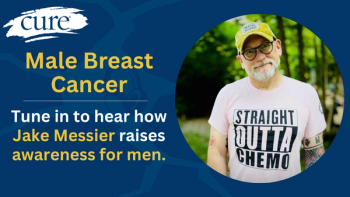
Jake Messier uses TikTok to raise awareness about male breast cancer, calling out stigma and isolation that delay diagnosis and harm treatment outcomes.

CURE spoke with an expert to learn what patients need to know about immunotherapy-induced diabetes.

Robotic and video-assisted thoracic surgery reduces recovery time for those with lung cancer, allowing some to leave the hospital the day after surgery.

Dr. Janet Kukreja explains one urinary diversion option available to patients undergoing bladder removal.
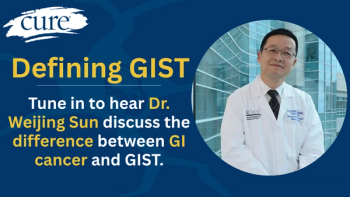
Unlike most GI cancers, GIST starts in supportive stromal tissue, not surface cells, and is classified as a sarcoma, says Dr. Weijing Sun.
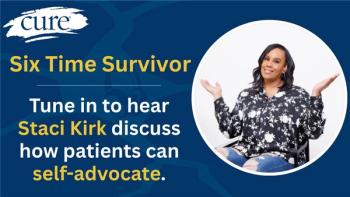
Six-time cancer survivor Staci Kirk urges patients to trust their bodies and speak up to ensure their needs are understood and addressed throughout cancer care.

Certain treatments may accelerate aging in survivors, but tailored care and healthy habits can help reduce long-term risks, researchers said.
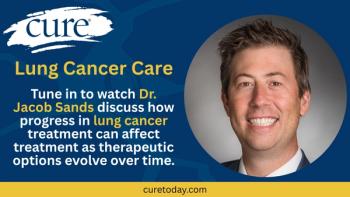
Dr. Jacob Sands discusses progress in lung cancer treatment, as well as what patients should understand about how their care options may evolve over time.

Kasey Bowden discussed how confusing the cancer care system can be for patients and families, therefore, having a reliable support structure is vital.
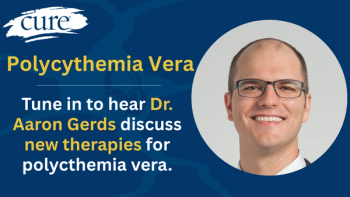
Emerging treatments like rusfertide may reduce phlebotomies and improve life for patients with polycythemia vera, according to Dr. Aaron Gerds.
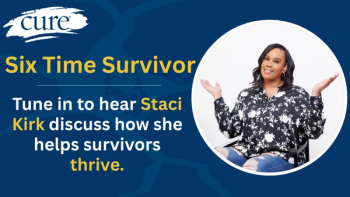
Six-time survivor Staci Kirk founded the Stiletto Boss Foundation to provide community, support and practical help for women of color beyond treatment.
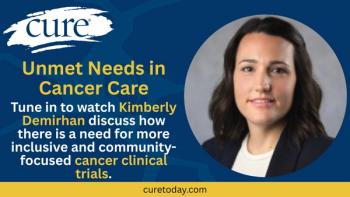
There is an urgent need for more inclusive and community-focused cancer clinical trials, according to Kimberly (Cary) Demirhan.
Barbera credits Dr. Donna Klobocista’s compassionate guidance before surgery for giving her confidence; now she mentors others facing ovarian cancer.

Dr. Weijing Sun discussed how GIST is typically diagnosed, as well as what tests are commonly used to confirm the diagnosis.
Ojjaara helps patients with myelofibrosis by reducing spleen size, easing symptoms, and improving anemia to boost independence from blood transfusions.