
Dr. Zhaoming Wang discussed how childhood cancer treatments can speed up biological aging and impact survivors’ health long after treatment ends.
Dr. Zhaoming Wang discussed how childhood cancer treatments can speed up biological aging and impact survivors’ health long after treatment ends.
Enabling patients to generate CAR T-cells internally could cut kidney cancer therapy costs, explained Dr. Wayne Marasco of Dana-Farber Cancer Institute.
Disparities in cancer care can often lead to delays, disruptions, and barriers to timely treatment, leading to an unmet need in the community treatment space.
Q-TWiST may help patients with advanced kidney cancer and their doctors weigh treatment options by focusing on quality of life, not just disease control.
Dr. Ari Hakimi highlighted how tumor profiling and molecular markers are expanding access to precision-based trials for kidney cancer.
Personalized cancer vaccines may potentially represent a step forward in guiding the immune system to more precisely target kidney cancer.
An expert highlights the impact of anemia in myelofibrosis and presented Ojjaara as a possible treatment to reduce transfusions and improve outcomes.
After ovarian cancer surgery, Mary Barbera spent three months in rehab before finally returning home, a milestone that marked her emotional recovery.
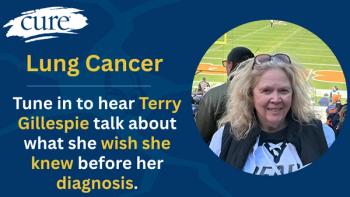
Terry Gillespie said the hardest parts of her cancer journey were the isolation, the impact of chemotherapy, and how unprepared she felt.
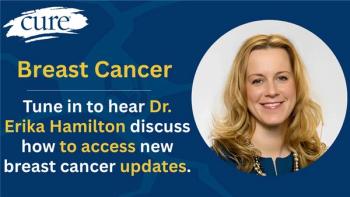
Dr. Erika Hamilton says social media and professional guidelines help patients stay informed about fast-changing breast cancer treatments and advances.
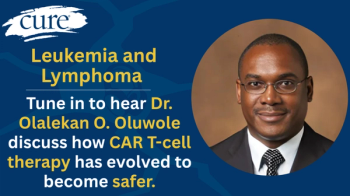
Outpatient CAR T therapy has reduced hospital stays by two-thirds while maintaining safety for those with blood cancers, according to Dr. Olalekan Oluwole.
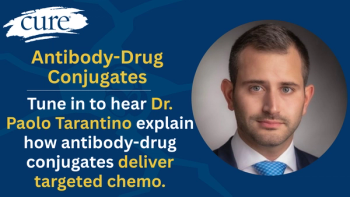
Dr. Paolo Tarantino shares how antibody-drug conjugates deliver more targeted chemo, and how the treatment lasts longer in the body vs traditional therapy.
Dr. Erika Hamilton discusses the most notable breast cancer treatments currently in development, and how might they change care for patients in the future.
The inMIND trial led to the FDA approval of Monjuvi with Revlimid and Rituxan for relapsed follicular lymphoma, showing benefits across diverse patients.
A patient on the Monjuvi trial saw lymph nodes shrink 85%, with stable results a year later, supporting the FDA’s recent approval for follicular lymphoma.
Survivors can find strength after cancer by focusing on goals, loved ones, and spiritual connection, especially during challenging or uncertain times.
Olalekan O. Oluwole discusses how CAR T-cell therapy is used to treat high-risk hematologic malignancies like lymphoma and leukemia.
Dr. Breelyn Wilky explains how vague symptoms and testing challenges delay GIST diagnoses; however, molecular testing can help guides treatment decisions.
Mark Daniels, an 83-year-old veteran and former fighter pilot, was shocked by his lymphoma diagnosis because he maintained exceptional physical fitness.
Ongoing research within the advanced-stage melanoma therapeutic space is beginning to suggest that shorter treatment periods may be sufficient for some.
Hearing that you have cancer can lead to dark feelings; however, others have walked this road and come out on the other end, a cancer thriver explained.
Dr. Nicholas James discusses why it is important to identify which patients with high-risk prostate cancer will truly benefit from intensified treatment.
Daniel Jernazian, who beat cancer twice, credits his sports mindset for survival and calls it winning his ‘life World Championship’.
Patients in rural or underserved areas may have worse outcomes, highlighting the need for early support to address care access barriers.
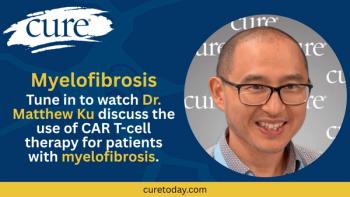
Dr. Matthew Ku discusses what CAR T-cell therapy is and how it works to target diseases like myelofibrosis.
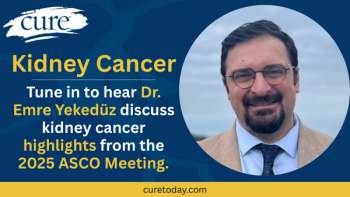
Dr. Emre Yekedüz discusses how ASCO 2025 highlights precision medicine, biomarkers and the gut microbiome as keys to advancing kidney cancer care.
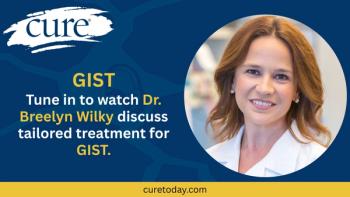
Dr. Breelyn Wilky stresses the importance of expert guidance and second opinions for patients with GIST, as treatment options continue to evolve rapidly.
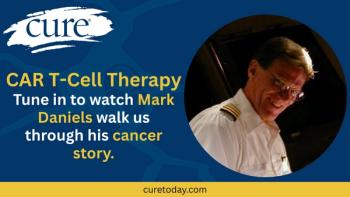
Mark Daniels, 83, credits CAR T-cell therapy and compassionate care for helping him overcome lymphoma and endure the isolating treatment toll.
An early study of BGB-16673 for hard-to-treat leukemia found that side effects were manageable with no new safety concerns, per Dr. Lydia Scarfò.
Valarie Traynham shares what survivorship means to her, and how the definition has evolved after her diagnosis, during National Cancer Survivors Month.